
Zaměření
Type of News
Focus
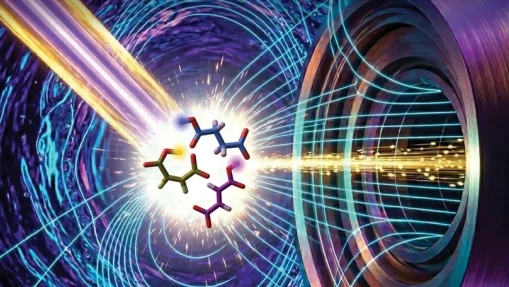
Proton sharing in polycarboxylic acids in aqueous solution
Researchers used X-ray photoelectron spectroscopy to investigate proton sharing in biologically relevant polycarboxylic acids, revealing the crucial role of molecular geometry.
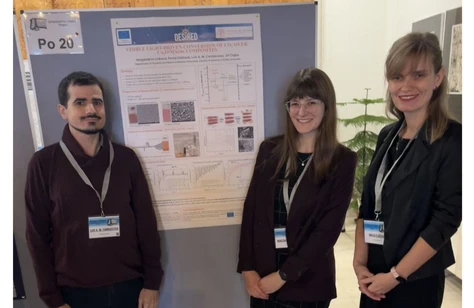
Researchers from Charles University, Prague, Have Developed a New Photocathode for Efficient Conversion of CO2 into Ethanol
Researchers at Charles University developed a new photocathode for solar-driven CO₂ conversion to ethanol. Surface-engineered MXene improves conversion efficiency and material stability.
Rethinking What’s Possible in Biological Research with the Orbitrap Astral Zoom Mass Spectrometer
Orbitrap Astral Zoom shifts key proteomics trade-offs, enabling deeper and faster plasma, DIA, single-cell, immunopeptidomics, and XL-MS workflows.
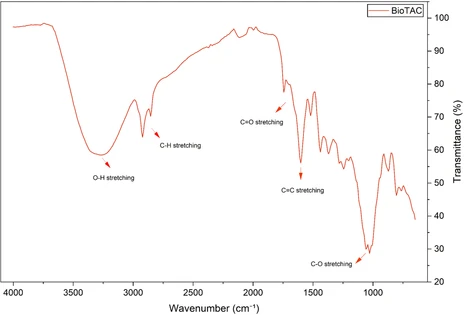
Optimizing the Production of a Condensed Tannin-Based Bioflocculant for Toxic Metal Remediation
A bioflocculant derived from açaí seed tannins achieves 91–100% removal of several toxic metals, with FTIR and ICP-MS supporting optimization under alkaline conditions.
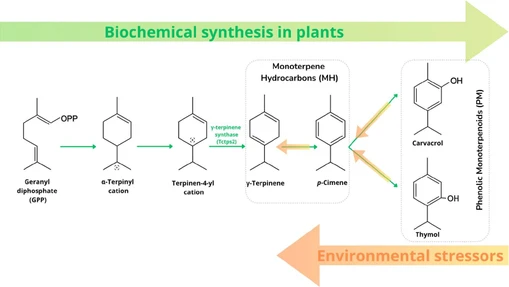
Can Temperature and UV Exposure Alter the Antimicrobial Properties of the Essential Oils? An Investigation of Origanum vulgare, Cymbopogon citratus, Syzygium aromaticum, and Lippia sidoides
GC-MS shows that heat and UV exposure modify essential oil composition and can improve antimicrobial activity, especially against fungal strains.
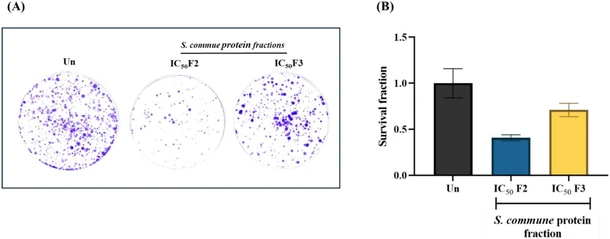
Chemical and Proteomic Characterization of Bioactive Protein-Enriched Fraction from Schizophyllum commune with Anticancer Activity in HeLa Cells
Proteomic LC-MS/MS characterization of a protein-enriched S. commune fraction reveals 64 protein groups and potent selective activity against HeLa cancer cells.
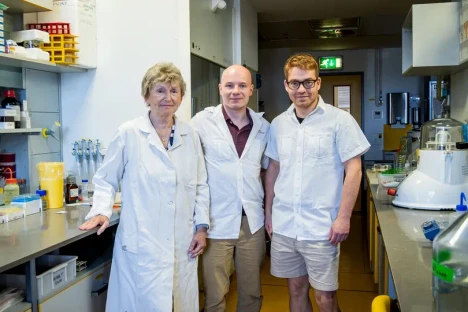
A study in Nature sheds new light on DNA repair in early human embryos, with implications for future gene correction
A Nature study reveals how early human embryos repair DNA during gene editing and highlights the potential and limitations of current genome-editing technologies.
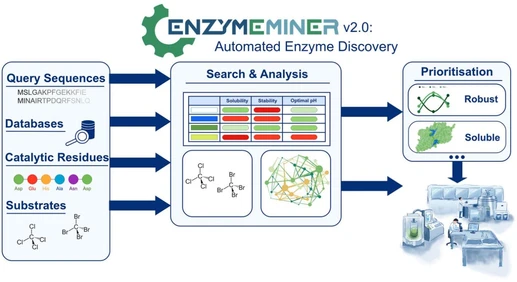
Searches a billion proteins to find a custom enzyme. EnzymeMiner 2.0 will make work easier for scientists worldwide
EnzymeMiner 2.0 from the Loschmidt Laboratories searches vast protein sequence databases to identify promising enzymes and predict their properties before laboratory testing.
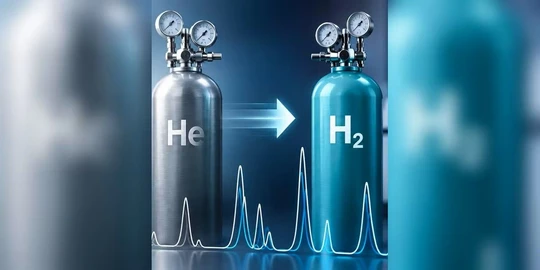
Helium to Hydrogen: What Happens to GC-MS/MS Performance When You Switch Carrier Gas?
Switching from helium to hydrogen in GC-MS/MS does not necessarily mean losing sensitivity. A study of 181 pesticides shows how method optimization can maintain reliable routine quantitation.
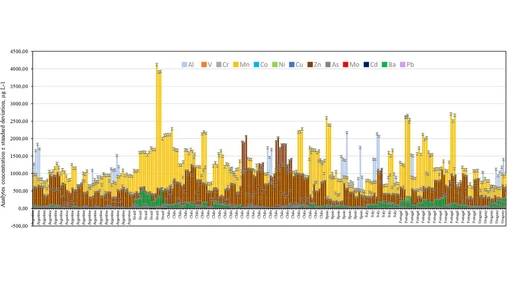
Analysis of wines elemental composition using ICP-MS/MS and artificial intelligence for classification from different origins
ICP-MS/MS profiling of 13 elements with machine learning enables reliable wine origin classification, with random forest achieving over 90% accuracy.