Zaměření
Type of News
Focus
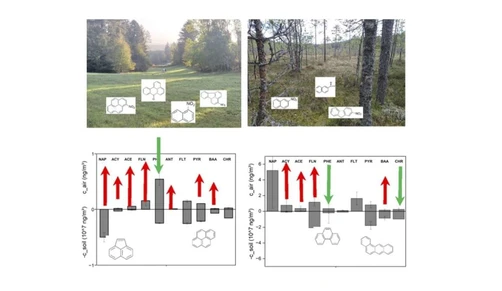
Polycyclic aromatic compounds in air – importance of re-volatilisation from soils
GC-MS/MS and flux analysis show that soils can re-emit PAHs and related compounds, with secondary emissions potentially rivaling local primary sources.

News from LabRulezGCMS Library - Week 39, 2026
This week we bring you application notes by Agilent Technologies, LECO and Thermo Fisher Scientific and poster by Shimadzu / AOAC!
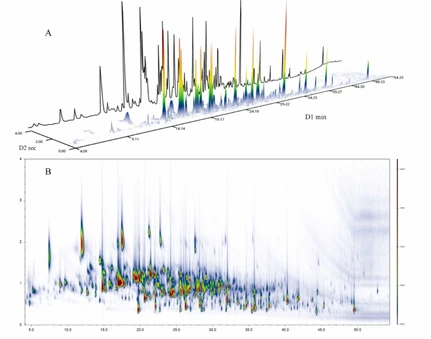
Volatile compound fingerprinting for traditional sesame oil authentication using GC-MS with GC×GC-MS-assisted identification
HS-SPME-GC×GC-MS-assisted fingerprinting enables sensitive authentication of sesame oil, detecting maize oil dilution from 5% and essence adulteration from 0.2%.
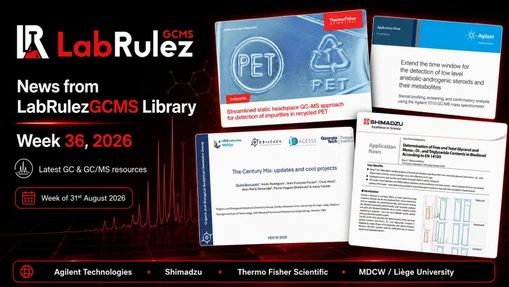
News from LabRulezGCMS Library - Week 36, 2026
This week we bring you application notes by Agilent Technologies, Shimadzu, Thermo Fisher Scientific and presentation by MDCW / Liège University!

Propionic Acid Outperforms Formic and Acetic Acid in MS Sensitivity for High-Flow Reversed-Phase LC-MS Bottom-Up Proteomics
Propionic acid increases peptide identifications by 39% versus formic acid in LC-MS proteomics while maintaining chromatographic performance and compatibility.
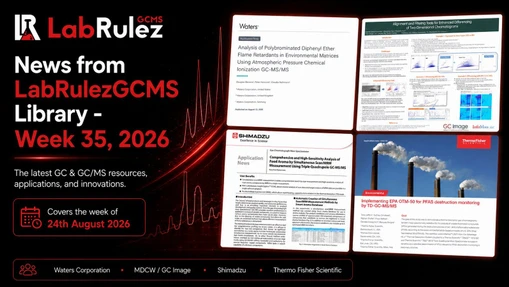
News from LabRulezGCMS Library - Week 35, 2026
This week we bring you application notes by Shimadzu, Thermo Fisher Scientific and Waters Corporation and poster by MDCW / GC Image!

Hydrogen Analysis by Gas Chromatography–Mass Spectrometry
A cryogenic single-column GC-MS method with modified EI enables direct hydrogen quantification in complex gas mixtures using helium carrier gas.
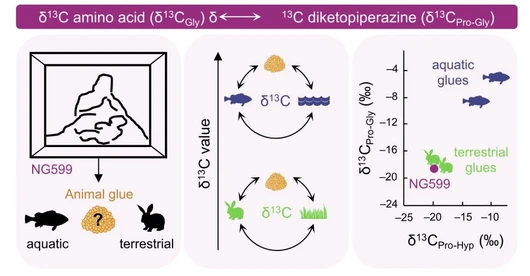
Pyrolysis Compound-Specific Isotope Analysis of Proteins in Aged Paintings: Diketopiperazine δ13C Values as Collagen Source Indicators
A μg-scale DIP-GC-C-IRMS method uses diketopiperazine δ13C values to distinguish terrestrial and marine collagen sources in aged paintings.
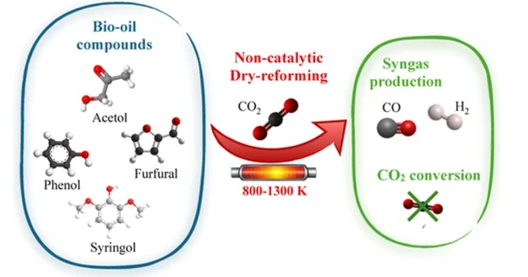
Thermal Dry Reforming of Bio-Oil Model Compounds
This study investigates thermal dry reforming of bio-oil model compounds, revealing temperature-dependent hydrogen production and CO₂ conversion.
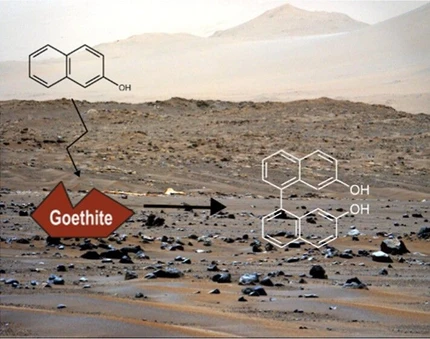
Oxidative Polymerization of Organic Compounds in the Presence of Iron-Bearing Minerals: Implications for Organic Preservation on Mars
This study shows that iron minerals promote oxidative polymerization of organic compounds under Mars-like conditions, improving preservation potential.