Inactive
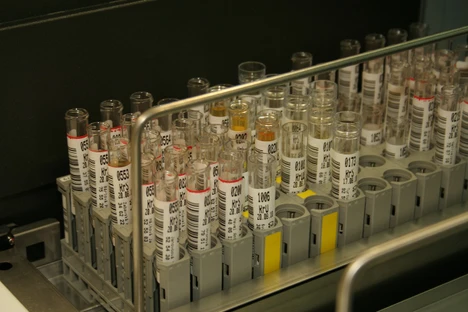
Discover a Microelution Extraction Technique for Drugs of Abuse with Streamlined Sample Clean-up
Webinar outlining methods for extracting a large drugs of abuse panel from urine and plasma using reverse-phase and mixed-mode sorbent chemistries in a microelution format.

A Roundtable Discussion on LC Approaches for the Analysis of Kinase Inhibitors and Related APIs
This work provides new insights on chromatographic method development as well as ideas for modernizing and future proofing approaches with MS compatibility in mind.
Scaling for Efficiency and Throughput – LC Method Optimization with Notes on Selectivity and Preparative LC
We will talk about the relationship between particle-size and resolution, Optimization the internal diameter of a column and Optimization method parameters when scaling for improved sensitivity.
Feel the Need, the Need for Speed: Advances in RapidFire-MS Analyses for Faster, Larger Runs with Less Sample Preparation
This webinar presents the newest RapidFire (RF) model (the RF400) and will discuss some of the enhancements, including 1536-wellplate support and temperature-controlled sample storage.

Interactomics/Spatial Omics
Understanding the interactions of proteins and other biological agents within a cell is vital to understanding the biology.
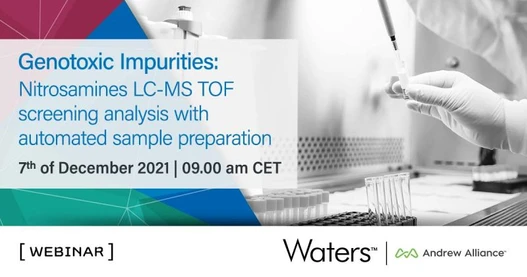
Genotoxic Impurities: Nitrosamines LC-MS TOF screening analysis with automated sample preparation
This webinar will cover: Automating Sample Preparation to Mitigate Risks in Nitrosamine Impurity Analyses & UPLC-TOF Platform for N-Nitrosamine Investigation in Pharmaceuticals.
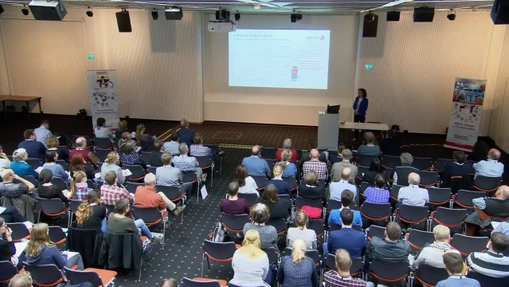
International GERSTEL Symposium 2021
At the seminar, users and partners with practical experience will be informed first-hand about the use of GERSTEL devices and systems in their everyday laboratory work and applications.

Overcoming the quantification of cyclic peptides with the latest triple quadrupole technology
Join this webinar and see how the new SCIEX 7500 system is ready to overcome the challenges of the low-level quantification of cyclic peptides.
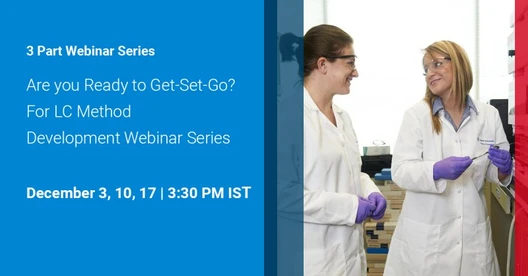
Understanding the basics of Liquid Chromatography
We are presenting a 3-part webinar series to discuss on the critical factors and approaches to arrive at the most efficient HPLC method: Principles, Basics and Critical factors.
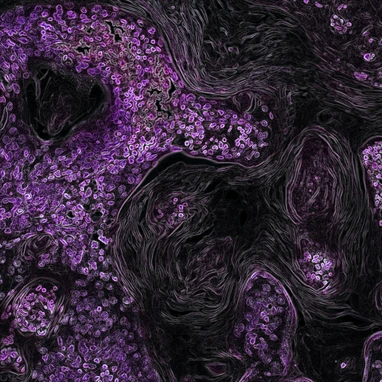
Proteome analysis reveals pathways of corticoid- & shape constraint-induced transdifferentiation of the hepatic cell line HepaRG
To unravel the molecular mechanisms controlling such plasticity and HepaRG transdifferentiation abilities, the proteomes of several cell lines derived from HepaRG progenitors were compared.
Related content
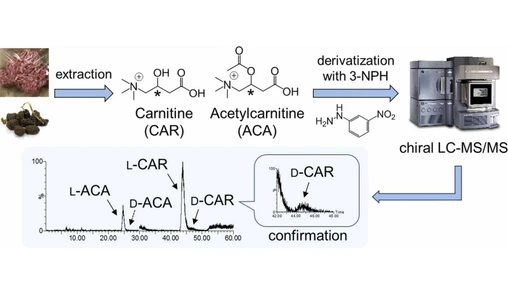
Development of a chiral liquid chromatography-tandem mass spectrometry for simultaneous determination of carnitine and acetylcarnitine enantiomers in food samples
Webinars LabRulezLCMS Week 40/2026