Inactive
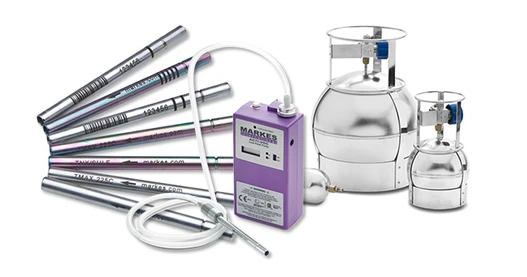
Simplifying the Analysis of VOCs and SVOCs from Solids, Liquids and Gases: The Insider’s Guide to Thermal Desorption
Separation Science, in collaboration with Markes International, is hosting a webinar on analysing samples by thermal desorption (TD). Best practice, tips & tricks or the latest TD innovations.
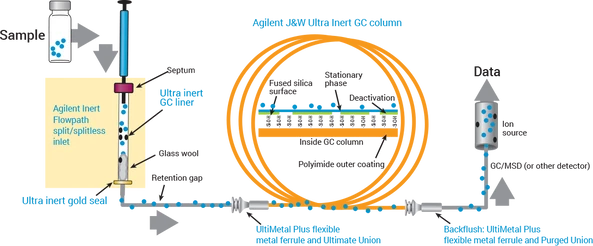
A Holiday Gift Buying Guide for your GC: Latest Supply Innovations
Join us and we travel through the flow path of the GC and discuss with you the latest supplies from Agilent that can make your chromatography-life easier.

Cut GC Method Development and Optimization Time: Software Solutions to Hard Problems
Separation Science, in collaboration with Restek, is pleased to offer this upcoming webinar that provides solutions for cutting GC method development and optimization time.

LC Column Troubleshooting – Isolating the Source of the Problem
Troubleshooting an HPLC system.
Making LC Methods MS Friendly
With the addition of MS detection to HPLC analyses, certain considerations must be made in selecting columns and conditions.
Troublefree Food Testing - Technologies to Improve Uptime and Productivity
Sample application – multi-residue pesticides in fish using LC/MS.
Turning up the Heat on Gas Chromatography: How to Successfully Perform High Temperature GC Applications without Breaking a Sweat
Separation Science, in collaboration with Agilent discusses the effect temperatures above 360 °C have on the integrity of the column phase and outlines strategies for high temperature applications.
Too Polar for Reversed Phase - What do you do?
Changes to your reversed phase conditions that can help.
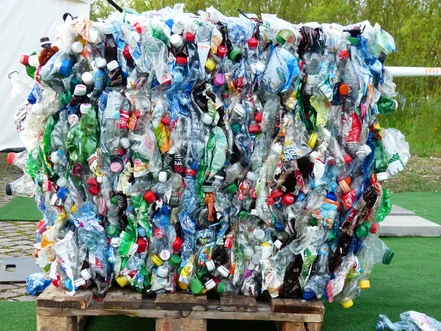
Characterization of Volatiles in Post-consumer Recycled Plastics Using TD-GC×GC–TOF MS
Separation Science, in collaboration with SepSolve Analytical demonstrates how TD-GC×GC-TOF MS can provide fast and confident characterization of odor profiles from post-consumer recycled (PCR) plastics.
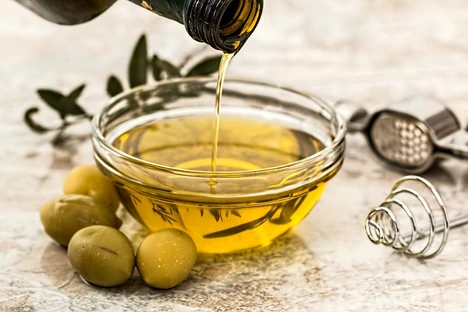
Automated Solutions for Determining 3-MCPD and Glycidyl Fatty Acid Esters in Edible Oils and Fats
This webinar focuses on automating the complex sample preparation process for determination of 3-MCPD and glycidyl fatty acid esters in edible oils and fats.
Related content

Decoding the Glycocode: AI-Powered Glycoproteomics & Cancer Research
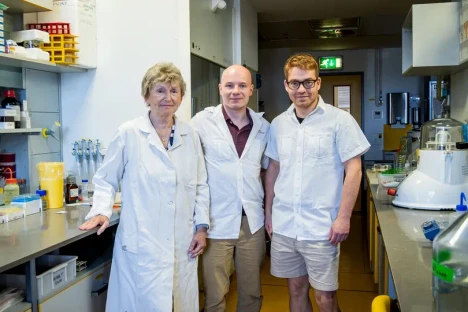
A study in Nature sheds new light on DNA repair in early human embryos, with implications for future gene correction