Active
Inactive
GCMS webinars focusing on Tips & Tricks - page 1
Maintenance Matters: The Key to Consistent HPLC Performance
Unexpected HPLC downtime affects laboratory productivity. Learn how preventive maintenance and understanding key system components help ensure reliable performance.
Troubleshooting Peak Tailing in Gas Chromatography
Learn what causes peak tailing in GC, how to troubleshoot distorted peaks, and how inert flow paths and deactivation technologies improve performance for demanding samples.
GC Headspace Made Simple: Tips, Tricks, and Best Practices
Learn how headspace GC works, how sample properties and key headspace parameters affect results, and how to troubleshoot common issues in routine analysis.
Empower Software Monitoring and Analysis Reports
Join the Empower CDS coffee break webinar on system monitoring and reporting. Learn how Message Center, Custom Fields, and audit tools ensure compliance.
Beyond Method Transfer: How Opella Is Modernizing and Harmonizing LC Methods
Modernize and transfer LC methods with Opella and Thermo Scientific! Streamline analytical lifecycle management, validation, and multi-site transfer.
A greener solvent switch without changing your HPLC or LC-MS methods
Reduce the environmental impact of HPLC and LC-MS without changing established methods. Discover LiChrosolv® BioRenewable solvents as a bio-based alternative to conventional solvents.
How filtration and UV-Vis analysis improve beer quality and consistency
Ensure beer consistency and clarity with Thermo Scientific! Combine industrial filtration and UV-Vis methods to accurately measure IBU, color, and VDKs.

Characterizing the next generation of bioconjugates
Join the SelectScience forum on characterizing next-generation bioconjugates.
Let's Talk - from Dissolution Sample Preparation to LC Finish
Learn how to optimize dissolution testing from sample prep to LC finish.
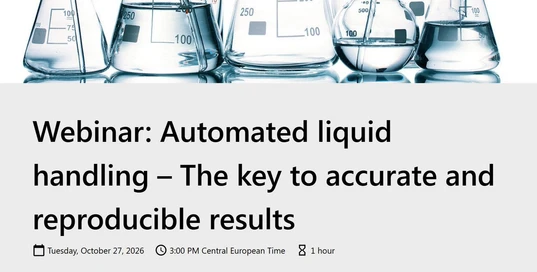
Automated liquid handling – the key to accurate and reproducible results
In this webinar, we will give you an introduction to the automation of liquid handling.
Related content
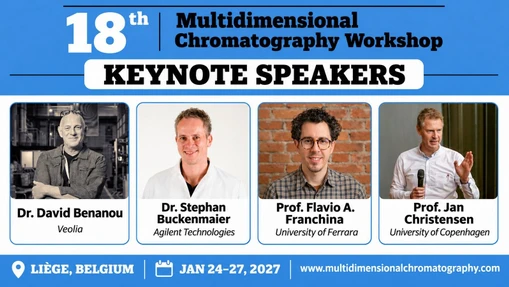
Keynote Speakers at the 18th MDCW
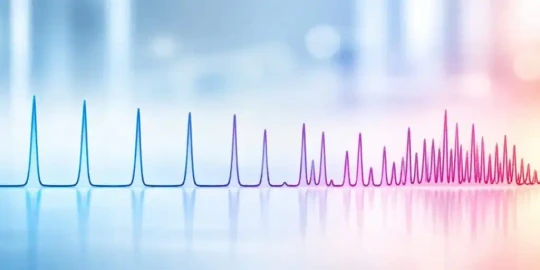
Separating Closely Related Species in Complex Oligonucleotide Samples