Inactive
Direct Analysis of Glycosylated Therapeutics
New approach to glycoform fingerprinting that uses proton-transfer charge-reduction with gas-phase fractionation to analyze intact glycoproteins by mass spectrometry.

Effective Strategies for Improved Outcomes in LC Purification
Successful techniques to effectively improve lab-scale HPLC purification to isolate and purify important target compounds.
Is your lab water pure enough for sensitive PFAS analyses?
The importance of reagent water quality in trace analyses of PFAS by LC-MS/MS.
Is it time to consider an alternative GC carrier gas?
How your helium consumption can be significantly reduced if moving to hydrogen is just not an option.

Latest advances in GC/MS air analysis workflows: from PFAS to utilizing hydrogen carrier gas
How Markes’ thermal desorption (TD) equipment coupled to Agilent’s GC-MS systems can be used for PFAS analysis from air and materials.
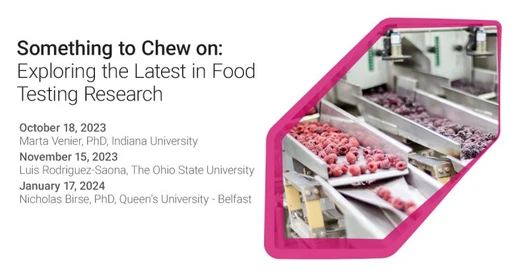
PFAS in Fast Food Packaging
The suite of analytical techniques that were utilized to obtain a comprehensive picture of the presence of PFAS in selected Canadian food packaging used for fast foods.
To Isolation and Beyond: A New Mixed Mode Column Approach for PFAS Chromatography
We will explore how we can take advantage of the mixed mode chemistry of PFAS molecules to routinely detect and quantify a broad scope of PFAS.

Plant-Based Food Revolution: leveraging ICP-MS for quality assurance and nutritional insights
The world of plant-based foods and the challenges associated with their analysis of nutritional content for safety.
Shining Light on AAVs: Using Light Scattering Technologies to Solve Challenges in Characterization
See how SEC-MALS compares to orthogonal techniques (ddPCR, Capsid ELISA’s, and AUC) for the characterization of AAV during various downstream steps.

Solid-Phase Extraction: Back to Basics
Basics of sample preparation and provide practical insights and technical background on the benefits when choosing SPE over another form of sample preparation.
Related content
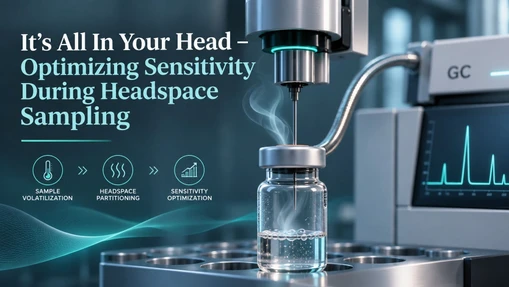
It’s All In Your Head – Optimizing Sensitivity During Headspace Sampling
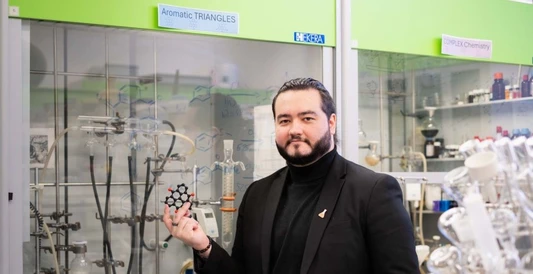
One vessel, three colours of light and three chemical reactions: UCT Prague research featured on the cover of Catalysis Science & Technology