Inactive
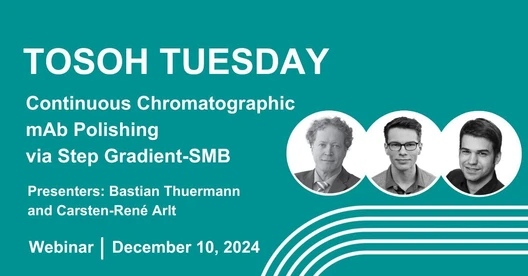
Tosoh Tuesday - Continuous Chromatographic mAb Polishing via Step Gradient-SMB
We will demonstrate that MCC, including continuous capture and SMB chromatography, offer cost-effective alternatives with higher productivity and lower resource consumption for pharmaceutical manufacturing.
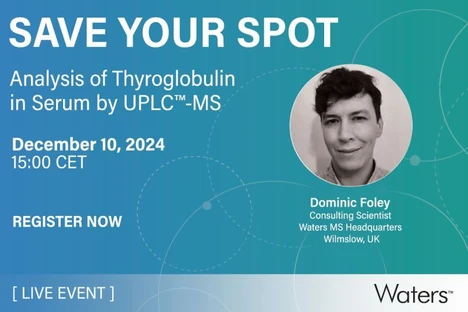
Quantification of Thyroglobulin in Serum for Clinical Research using SISCAPA Workflow Combined with LC-MS/MS
We will guide you through aspects of large molecule method development and highlight steps of the workflow that minimize user touch-time, maximize throughput and improve turnaround time.

Troubleshooting your LC and MS Systems
In the eight episode, you will learn how to troubleshoot your LC and MS Systems in your laboratory and when to start thinking about instrument replacement.

ProteinConnect: Linking Science, Innovation and Therapeutics (Day 1)
This December, we invite you to connect with fellow scientists to learn more about the latest innovations in Protein analysis at our ProteinConnect Virtual Forum.

Analysis of PCVs, AOCs, ADCs, and RNPs with Light Scattering
In this online webinar, we will demonstrate the value of light scattering in XDC development and its potential application in quality control (QC) as part of a release assay.

Winter school: LC-MS essentials
Master the essentials of triple quad technology with our live webinars this winter.

HPLC Made for Tomorrow: Introducing the new Agilent Infinity III LC Series
Join us for an exclusive webinar where we’ll provide an overview of the recently launched Agilent Infinity III LC Series.

Method development: How to separate most efficiently?
Working with polydisperse samples? We’ll see how to leverage ASTRA’s distribution analysis and results fitting features.
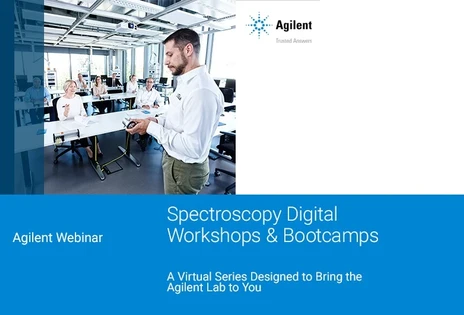
UV-Vis Instrumentation : From Routine to Advanced Applications Part II
We will focus on the high end UV-Vis-nir instrumentation and the accessories which allow for a more complex measurements to be made.
Mastering PFAS Control: Transform Your Laboratory Practices
Gain insights into how delay columns, essential to control the presence of PFAS in the laboratory, function.
Related content
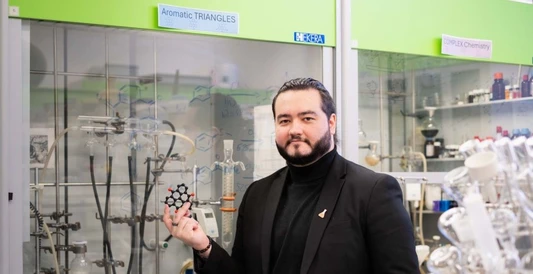
One vessel, three colours of light and three chemical reactions: UCT Prague research featured on the cover of Catalysis Science & Technology
News from LabRulezICPMS Library - Week 48, 2026