


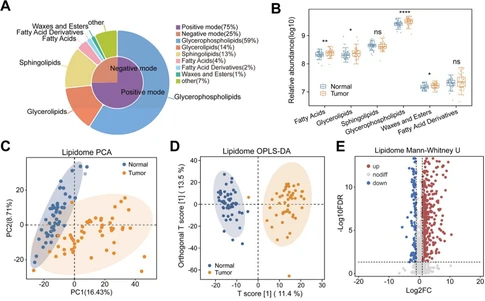
Integrated Multi-Omics Profiling of Thymoma Identifies Subtype-Specific Remodeling and Myasthenia Gravis-Associated Targets
Multi-omics profiling of thymoma identifies subtype-specific metabolic, lipid, and protein changes and reveals molecular targets associated with myasthenia gravis.
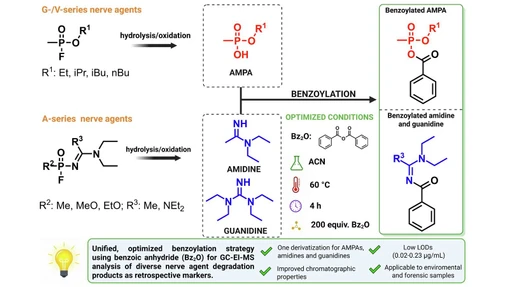
Benzoylation strategy for GC–EI–MS analysis of alkyl methylphosphonic acids, amidines and guanidines as retrospective markers of nerve chemical warfare agent use
A benzoylation strategy enables GC-EI-MS analysis of acidic and basic nerve-agent degradation products, with benzoic anhydride providing the best performance.
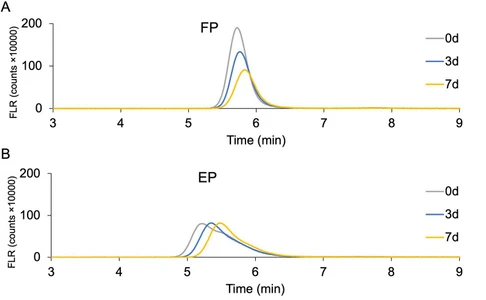
Forced degradation analysis of recombinant adeno-associated virus serotype 8 based on analytical anion exchange chromatography coupled to orthogonal characterization
An analytical AEX workflow with orthogonal characterization reveals distinct pH-dependent degradation pathways of rAAV8 during accelerated storage.

Refrigerated SpeedVac SRF110 vs. CentriVap - Why Sample Capacity Matters More Than Ever for Peptide and Protein Labs
Compare the Labconco Refrigerated CentriVap and Thermo Fisher SpeedVac SRF110 in terms of capacity, temperature range, price, and flexibility.
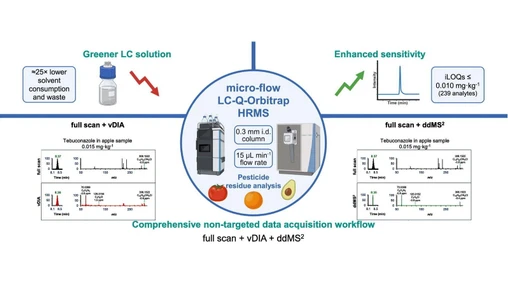
Coupling micro-flow liquid chromatography with Q-Orbitrap high-resolution mass spectrometry for greener, comprehensive pesticide residue analysis in fruits and vegetables
A micro-flow LC-Q-Orbitrap HRMS method quantifies 239 pesticides in fruits and vegetables while cutting solvent consumption and waste by 25-fold.
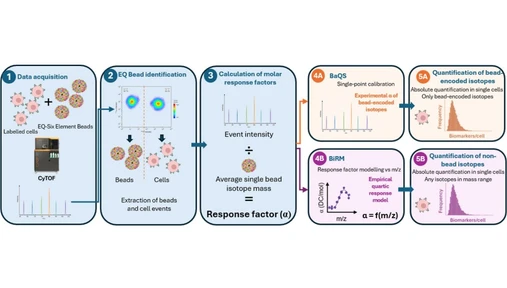
Quantitative Single-Cell Multielemental Analysis Using Metal-Loaded Microparticles: toward a Universal Quantification Workflow in Mass Cytometry
A bead-based calibration workflow enables quantitative multielement analysis of single cells by mass cytometry and supports a broad range of lanthanide tags.

Propionic Acid Outperforms Formic and Acetic Acid in MS Sensitivity for High-Flow Reversed-Phase LC-MS Bottom-Up Proteomics
Propionic acid increases peptide identifications by 39% versus formic acid in LC-MS proteomics while maintaining chromatographic performance and compatibility.