Th, 10.9.2026 | Original article from: International Symposium on Chromatography (ISC)
ISC 2026 Day 2 brought the conference into full swing with parallel scientific sessions, posters, the exhibition, vendor seminars, tutorials, and industry and career activities.ISC 2026 - Day 2
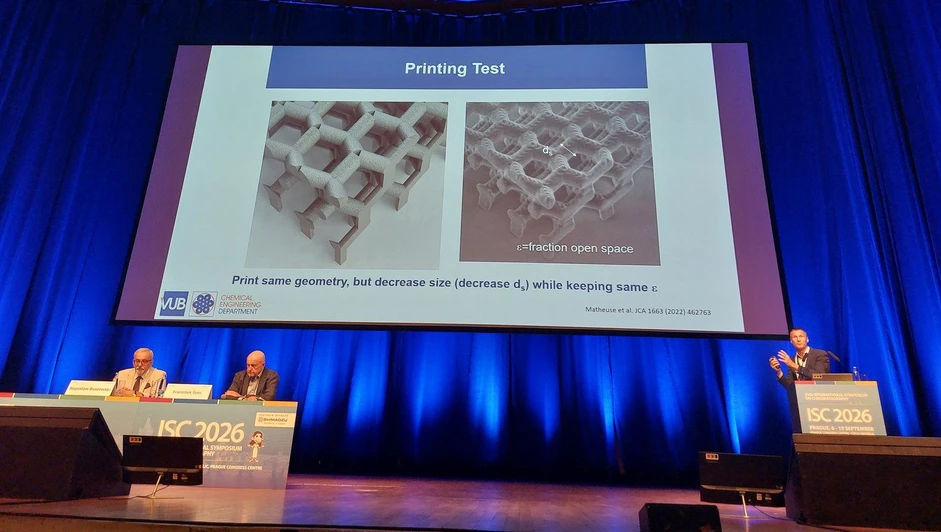
International Symposium on Chromatography: ISC 2026 - Day 2: An outlook on the future directions in chromatography column technology (Gert Desmet, Vrije Universiteit Brussel, Brussels, Belgium)
Monday, September 7, marked the first full scientific day of ISC 2026, with the Prague Congress Centre shifting into full conference mode from early morning. Three parallel tracks opened with sessions on advances in column technology, proteomics, and SFC/MS, followed by discussions ranging from oligonucleotide separations and green analytical chemistry to electro-driven techniques coupled with mass spectrometry. During the midday break, attention moved to the exhibition, the first poster session, and vendor seminars from Avantor and Shimadzu. The afternoon continued with multidimensional separations, LC/MS data processing in omics, and new ionization strategies for GC/MS and LC/MS, before the program expanded into tutorial sessions on stationary phases, biopharmaceutical analysis, and LC/MS of small molecules. Industry and career-focused activities rounded out a packed Monday, bringing together scientific exchange, practical applications, education, and new professional opportunities across the separation science community.
Monday, September 7th
08:30–10:00 FUN 01: Advances in Column Technology
Chair:
- Boguslaw Buszewski, Poland
- František Švec, Czech Republic
08:30 - 09:00 An outlook on the future directions in chromatography column technology
- Gert Desmet, Vrije Universiteit Brussel, Chemical Engineering, Brussels, Belgium
Column technology remains at the forefront of chromatographic advancements, enabling greater resolution, speed, and efficiency in separations. This lecture will explore the state-of-the-art innovations shaping the field, focusing on three transformative developments: micro-pillar array columns, 3D-printed chromatographic supports, and multi-capillary channel systems.
Micro-pillar array columns represent a paradigm shift in stationary phase design. By employing precisely engineered microstructures, these columns deliver superior separation efficiency, reduced backpressure, and enhanced reproducibility. Their potential applications in high-throughput and miniaturized analytical workflows will be discussed, highlighting their compatibility with modern liquid chromatography systems.
Additive manufacturing has revolutionized chromatographic support fabrication. The advent of 3D printing enables the creation of intricate and customizable stationary phases with unprecedented control over geometry and porosity. This lecture will examine how these supports enhance mass transfer, reduce eddy diffusion, and expand the horizons for novel stationary phase chemistries.
Finally, multi-capillary channel columns introduce a multi-dimensional approach to chromatographic separation. By leveraging parallel capillary pathways, these systems achieve faster analyses without compromising resolution. Key insights into their design, integration with existing chromatography platforms, and potential for ultra-fast separations will be presented.
Together, these innovations underscore the rapid evolution of column technology, addressing the growing demands for efficiency, sensitivity, and sustainability in analytical separations. Attendees will gain an understanding of these cutting-edge developments and their implications for future research and industrial applications
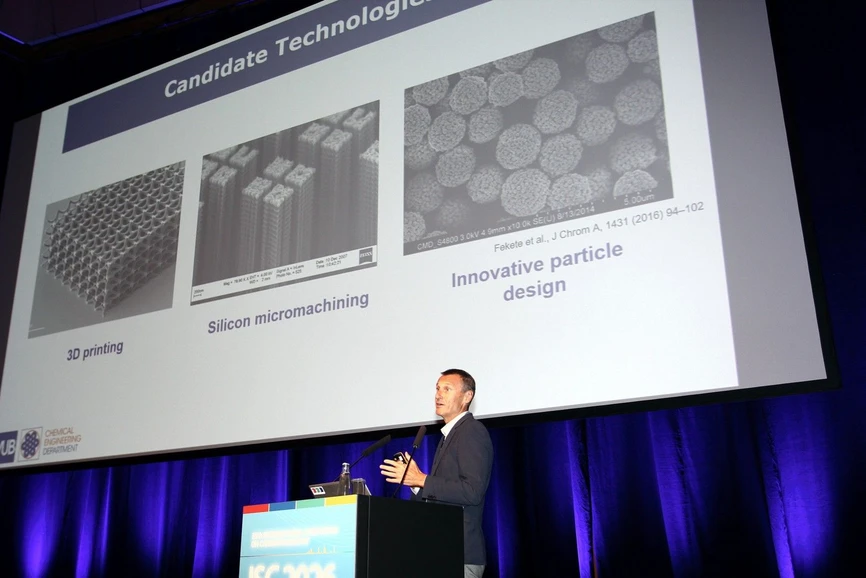 ISC: ISC 2026 - Day 2: Gert Desmet, Vrije Universiteit Brussel, Chemical Engineering, Brussels, Belgium
09:00 - 09:20 To separate the inseparable: The magic of Repetto peak recycle technology in analytical and preparative HPLC
- Marek Minarik, Watrex Praha- s.r.o., HPLC laboratory, Prague, Czech Republic.
In the modern era of analytical chemistry, routine applications often require ultra-high performance to resolve compounds with very similar physical properties. Traditional approaches include increasing resolution involved reducing sorbent particle size with the need for ultra-high pressure (UPLC), combination of different separation modes (2D HPLC) or, at a minimum, connecting multiple columns in series, all resulting in high instrument cost and high backpressure. Here we present an elegant universally applicable technology Repetto [1]. The approach has been extensivelly applied to various challenging separations in analytical or preparative chromatography, including purification of monoclonal antibody isoforms or separation of long synthetic oligonucleotides by ion-pair reversed-phase HPLC [2].
The principle of Repetto technology is based on the fast reinjection of incremental peak sections back onto the separation column within a closed loop consisting of a single column, a detector, and two synchronized switching valves. By positioning the HPLC pump outside of the recycle loop, the method virtually eliminates the significant band broadening typically caused by the pump's internal dead volume in traditional closed-loop systems [3] . Unlike the "twin" approach relying on alternate switching between 2 separation columns [4], Repetto method requires only one column and ensures the detector is never exposed to high backpressure.
This technology is highly cost-effective, as it removes the need and associated expense for additional columns while delivering exceptional separation power. By repeatedly utilizing the same stationary phase, the system achieves a virtual extension of the column length, delivering efficiencies of hundreds of thousands of theoretical plates on standard analytical columns. This efficiency is especially valuable in fields like chiral separations, gel-permeation, size-exclusion or affinity chromatography, where specialized columns are notoriously expensive.
Repetto approach offers a powerful, accessible tool for "separating the inseparable" in the most demanding chromatographic applications on analytical or preparative scale.
 ISC: ISC 2026 - Day 2: Marek Minarik, Watrex Praha- s.r.o., HPLC laboratory, Prague, Czech Republic.
9:20 - 9:40 On the curvature of the van Deemter curve
- B. Huygens, Vrije Universiteit Brussel, Department of Chemical Engineering, Brussels, Belgium
Alongside eddy dispersion (A-term) and effective diffusion (B-term), mass transfer resistance (C-term) is one of the main sources of band broadening in chromatographic columns. Since it increases with velocity, the C-term is the foremost term of the plate height equation when performing separations at flow rates beyond the optimum. In contrast to the common belief that this increase with velocity is linear, both theory and practice have demonstrated the van Deemter curve is actually curved even within the C-term regime.
In modelling the complex relation between flow rate and band broadening, computational fluid dynamics is a useful method to calculate the plate height for a diverse range of conditions, varying the diffusion coefficients and retention factors of the simulated analytes. The recent applications of Brenner’s macrotransport theory to chromatographic columns have increased the accuracy and efficiency of such calculations. The limitation, however, is that this framework requires to reduce the packed bed of particles to a single unit cell, thus assuming a crystal-like geometry. This simplification of the simulations could introduce artefacts to the flow as well as the ensuing band broadening.
To overcome this limitation, we have introduced a twist to these simulations. By orienting the flow at an angle with respect to the unit cell, its symmetry is broken and its dynamics become chaotic. The calculations of the plate height differ wildly from those on more naïve unit cells, and upon elimination of the A-term and B-term, two regimes are uncovered. At low flow rates, mass transfer occurs mostly through diffusion and the C-term scales linearly with velocity. At high flow rates, advection plays a significant role and the C-term scales as a power law of the velocity. These novel calculations can be used to propose better models for mass transfer resistance, describing the true curvature of the van Deemter curve.
9:40 - 10:00 Opportunities and constraints of sub-1 μm packing materials for next-generation chromatography columns
- Hanrong Wen, Vrije Universiteit Brussel, Department of Chemical Engineering CHIS-IR, Brusslels, Belgium.
Reducing particle size plays an important role in improving separation speed and efficiency in column technologies. However, the particle sizes of commercial-available columns have remained just below 2 μm since the introduction of UHPLC instrumentation 20 years ago, and only limited demonstrations of nanoparticle-packed columns have been reported in literatures. This situation might be attributed to the pressure limits of mainstream LC systems (i.e. below 1000 bar) and the challenges of packing increasingly smaller particles. With the state-of-the-art UHPLC capable of 1500 bar and the growing demand for faster chromatography in high-throughput pharmaceutical and proteomics applications, reconsidering sub-1 μm particles in chromatography may provide a promising solution for next-generation column technologies aimed at ultra-fast chromatography.
This study first evaluated the performance of nanoparticle-packed columns using the kinetic plot methodology. The kinetic performance limits of nonporous nano- and microparticle were established through a modified Knox model and Kozeny-Carman equation. The results showed that nanoparticle columns are particularly suitable for the separation of large molecules such as peptides, proteins and polymers, due to their low diffusion coefficients. At 1500 bar, an almost threefold improvement in separation speed can be achieved in high-velocity regions using 750 nm nanoparticle column compared to 1.5 μm particles. To mitigate viscous heating effects, especially when even higher operating pressures are considered, a capillary column format is preferred. However, the resulting short, high-performance columns exhibit almost zero tolerance for extra-column-band broadening, thereby requiring to either redesign the instrument or the implementation of on-column focusing and direct MS-detection. By applying self-assembly phenomena, ordered nanoparticle packing in face-centered-cubic (fcc) morphology can potentially be obtained, yielding a 20-35 times of improvement in separation speed due to the minimized eddy dispersion. Nevertheless, the higher flow resistance associated with fcc morphology further limits the optimized column length to less than 1.5 cm at 1500 bar, constraining its practical applicability.
To validate these findings, several column technologies were developed to pack nanoparticles with controllable packing morphologies. Commercial- and homemade-monodispersed silica nanoparticles were prepared into ultra-stable colloids, enabling robust high-pressure packing at nanoflow rate. Using an evaporation-induced packing method, columns with fcc-dominated morphology can be packed. Packing morphologies were investigated using various characterization strategies. To demonstrate their separation capability, C18 and trimethyl silane were introduced by on-column reactions. Proof-of-principle separation of peptides mixtures were achieved with good repeatability in retention-time repeatability (CV < 0.6%) and extended peak capacity on a nanoLC-timsTOF platform.
08:30–10:00 BIO 01: Proteomics
Chair:
- Christian G. Huber, Austria
- Ken Cook, United Kingdom
08:30 - 09:00 The In Vivo 3D Proteome
- John Yates, USA
The proteome encodes function not only through protein expression levels but through the three-dimensional conformations proteins adopt in living systems. Conventional structural methods — X-ray crystallography, cryo-EM, and NMR — capture static snapshots of purified proteins ex vivo and cannot systematically interrogate protein conformation across the proteome under physiological conditions. Covalent Protein Painting (CPP) addresses this gap. CPP quantitatively labels exposed lysine residues with isotopically distinct formaldehyde reagents, enabling site-specific solvent accessibility as a surrogate of protein conformation to be measured at proteome scale by LC-MS/MS and analyzed with the SoPaX/ProteinClusterQuant pipeline.
We applied CPP to CFTR, the channel protein mutated in cystic fibrosis, and identified a previously undetected conformational state at the intracellular loop 2 (ICL2)/NBD2 interface in disease-associated mutants which was invisible to cryo-EM but clearly resolved at lysine 273. Treatment with the potentiator VX-770 (Ivacaftor) induces partial ICL2 coupling in vivo, directly linking conformational state to pharmacological rescue.
CPP has been extended to whole intact animals, enabling the first system-wide in vivo conformational proteomics in disease models. In Alzheimer's disease (AD) mice, structural changes in proteins involved in energy generation, carbon metabolism, and metal ion homeostasis preceded detectable expression changes in the brain, with conformationally co-regulated networks spanning brain, kidney, muscle, and spleen suggesting systemic structural remodeling early in neurodegeneration (Son et al., Nat Commun, 2024).
Translating CPP to clinical samples, we profiled 520 human serum samples across normal cognition, mild cognitive impairment (MCI), and AD. A three-protein structural marker panel — anchored by complement C1Q and clusterin identified by machine learning across ten algorithms — achieved 83.4% classification accuracy and AUROC values exceeding 0.93 for NOR vs. MCI and MCI vs. AD discrimination. Inter-laboratory PRM assay validation between the Yates (Scripps) and van Eyk (Cedars-Sinai) laboratories confirmed intra-assay CVs of 2.5–4.9% and inter-laboratory CVs of 3.6–7.6%, meeting clinical-grade analytical standards.
These results establish CPP as a chromatography-compatible platform for measuring the dynamic 3D proteome in vivo, with broad applications in conformational biomarker discovery, drug mechanism studies, and early detection of protein misfolding diseases.
9:00 - 9:20 Ensuring robustness in label-free quantitation: System suitability and quality control strategies for ultra-deep proteomics
- Angelo Lopez, VUB, Chemical Engineering, Brussel, Belgium
Both qualitative and quantitative LC-MS analyses require a validated system and proper sample preparation to ensure high-quality data. System suitability (SS) and quality control (QC) checks verify that instruments perform consistently and reliably. The chromatographic system and the mass spectrometer tend to deteriorate and drift from optimal performance over time, and as an experiment progresses. Consequently, SS and QC become crucial in omics applications, where differences in acquired data are attributed to biological significance rather than technical variation.
In proteomics, the fitness of the LC-MS system is usually assessed by analyzing a standard complex sample, such as a HeLa cell digest. However, simply monitoring the number of proteins identified does not fully reveal the causes of declining data quality. We optimized a nanoLC-timsTOF-MS workflow for ultra-deep proteome profiling, incorporating emerging pillar-array column technology and applying data-independent acquisition MS. A step-by-step protocol was developed by systematically screening relevant LC and MS performance readouts and defining acceptance thresholds to ensure consistent system performance. The applicability of the workflow was demonstrated through several case studies involving label-free quantitation of complex biological samples, including cell cultures and tissue extracts. The rationale for selecting the performance parameters, reference analytes, and acceptance criteria will be discussed.
9:20 - 9:40 From chromatography to proteomics: Characterization of microflow LC columns for bottom-up proteomics
- Jiří Urban, Masaryk University, Department of Chemistry, Brno, Czech Republic.
The kinetic properties of six 1 mm ID columns packed with fully porous particles were characterized for potential application in microflow LC–MS bottom-up proteomics. All columns contained hydrophobic ligands attached to the stationary-phase surface; however, they differed in alkyl chain length, the presence of additional polar groups, particle size, and column length.
A retention-modeling protocol was used to evaluate column efficiency and the maximal achievable peak capacity of the tested columns. After normalization of peak capacity to column length, the C8 column outperformed the C18 column. In addition, smaller particles with a low surface charge (CSH) showed better performance than particles of the same size based on the ethylene-bridged hybrid (BEH) technology. These results suggest that a more polar particle surface improves column efficiency in bottom-up proteomic separations.
Currently, chromatographic performance metrics are being correlated with proteomics quality parameters, including the number of identified proteins and peptides in a cell line sample. The outcome of this work should provide clear guidelines for proteomics practitioners on optimizing chromatographic conditions to maximize the amount of protein-related information obtained from LC–MS analyses.
 ISC: ISC 2026 - Day 2: Jiří Urban, Masaryk University, Department of Chemistry, Brno, Czech Republic.
9:40 - 10:00 Propionic acid boosts sensitivity in analytical and microflow LC–MS of peptides
- Juraj Lenčo, Charles University Prague- Faculty of Pharmacy in Hradec Králové, Department of Analytical Chemistry, Hradec Králové, Czech Republic.
Formic acid has long been the default acidic additive in reversed-phase LC-MS-based bottom-up proteomics. Here, we evaluate propionic acid as an alternative mobile phase acidifier, a candidate that has been overlooked in efforts to improve ESI efficiency without compromising chromatography. By reducing both the ionic strength and surface tension of the mobile phase, 0.5% propionic acid markedly enhanced ESI efficiency, yielding an average 39% increase in peptide identifications compared to 0.1% formic acid and even a 12% increase relative to 0.5% acetic acid. These gains were consistent across interlaboratory datasets encompassing analytical- and microflow LC-MS configurations, diverse column chemistries, and varying sample complexities. Importantly, chromatographic performance remained virtually unaffected, with only a minor reduction in peptide retention. The mobile phase containing propionic acid was stable, instrument-compatible, and introduced only a negligible MS background.
 ISC: ISC 2026 - Day 2: Juraj Lenčo, Charles University Prague- Faculty of Pharmacy in Hradec Králové, Department of Analytical Chemistry, Hradec Králové, Czech Republic.
08:30–10:00 HYP 01: SFC/MS
Chair:
- Caroline West, France
- Jan Petr, Czech Republic
08:30 - 09:00 Toward next-generation lipidomics: Comprehensive and quantitative lipidome analysis based on supercritical fluid chromatography/mass spectrometry
- Takeshi Bamba, The University of Osaka, Graduate School of Medicine, Suita, Japan.
Advances in chromatographic separation techniques combined with mass spectrometry have enabled comprehensive measurement of lipid molecular species. Reversed-phase LC/MS (RP-LC/MS) using octadecylsilyl (ODS) stationary phases is widely employed because hydrophobic interactions between lipids and the stationary phase allow separation of individual lipid species, including structural isomers. However, such molecular-species–based separation is susceptible to matrix effects in mass spectrometry, making accurate quantitative correction difficult.
In contrast, normal-phase chromatography (NPLC) and hydrophilic interaction chromatography (HILIC) separate lipid classes by recognizing polar head-group structures, such as those of glycerophospholipids and glycolipids. Quantitative analysis can therefore be achieved by adding internal standards for each lipid class. Nevertheless, these methods still face challenges in comprehensive separation and retention-time reproducibility. In particular, NPLC uses highly hydrophobic mobile phases, which can result in reduced ionization efficiency in mass spectrometry.
Supercritical fluid chromatography (SFC) provides a suitable approach for lipidome analysis because it combines separation characteristics similar to normal-phase chromatography with mobile phases compatible with mass spectrometry. We developed a comprehensive and quantitative lipidomics method using SFC coupled with triple quadrupole mass spectrometry (SFC/QqQ-MS). By employing a diethylamine (DEA) column in the SFC system, 22 lipid classes were separated with high resolution within 20 minutes. Quantitative values for individual lipid molecular species were obtained using stable-isotope internal standards. Compared with conventional NPLC and HILIC methods, SFC enables faster and broader lipid-class separation.
Recently, we have been further expanding lipid-class coverage through column screening for SFC separations and optimization of separation conditions. In addition, we are developing a fully automated lipidomics platform integrating robotic sample preparation with an SFC/MS analytical system.
9:00 - 9:20 Analysis of total fatty acids by SFC/MS: Separation of omega-3 and omega-6, branched and hydroxy fatty acids
- Michaela Chocholouskova, DUKE-NUS Medical School, Signature Research Program in Cardiovascular & Metabolic Disorders, Singapore, Singapore, National University of Singapore, SLING - Singapore Lipidomics Incubator- Department of Biochemistry- YLL School of Medicine, Singapore, Singapore.
Fatty acids (FA) exist either in free form or as components of complex lipids. They have structural functions as constituents of phospholipids, the building blocks of cell membranes. They also have storage functions in neutral lipids and act as precursors of oxylipins, which regulate immune responses, inflammation, cell growth and apoptosis. The standard method for the analysis of total FA is Gas Chromatography–Mass Spectrometry (GC/MS), which requires derivatization steps and involves long analysis run times (30 min and more). Here, we present a new approach for the analysis of total FA using Supercritical Fluid Chromatography coupled with Mass Spectrometry (SFC/MS) with a short run time of 7.5 min. The method, using a C18 column, was optimized for the separation of 62 FA including omega-3 and omega-6 FA (such as FA 18:3 n-3 and n-9, FA 20:3 n-3 and n-9, FA 22:5 n-3 and n-9), branched FA (iso/anteiso) from their unbranched counterparts and hydroxy-FA. The SFC system was coupled to a high-resolution time-of-flight mass spectrometer (QTOF) to obtain highly accurate mass measurements, as FA show limited fragmentation and identification based solely on retention time may lead to misinterpretation. The type of modifier, temperature and back-pressure regulator settings were optimised to achieve the best and fastest separation of individual FA and their isomers. After full validation, we measured FA in the NIST Standard Reference Material (SRM) 1950 human plasma, demonstrating the high precision and accuracy of our SFC/MS method based on quantitative data. The method was also applied to the study of other biological samples, such as cells and tissues.
9:20 - 9:40 Miniaturised solid phase extraction - supercritical fluid chromatography tandem mass spectrometry workflow for high-throughput acidic phytohormone profiling
- Jitka Široká, Institute of Experimental Botany of the Czech Academy of Sciences and Faculty of Science of Palacký University Olomouc, Laboratory of Growth Regulators, Olomouc, Czech Republic.
Acidic phytohormones, including abscisates, auxins, jasmonates, and salicylic acid, are low-abundance signalling molecules whose endogenous levels reflect the physiological state of plants. In plant research, quantification of phytohormone levels, including their biosynthetic precursors and metabolites, provides insight into processes ongoing in plants.
A high-throughput analytical workflow combining miniaturised solid-phase extraction (µSPE) with ultra-high-performance supercritical fluid chromatography–tandem mass spectrometry (SFC–MS/MS) was developed for quantitative analysis of 19 acidic phytohormones, including bioactive forms, biosynthetic precursors, and metabolites. Among five tested stationary phases, the hybrid silica Viridis HSS C18 SB column provided retention and chromatographic resolution of all analytes, including critical pairs. Method development was supported by a statistical design of experiments to screen and optimise chromatographic and ion-source parameters. The final method employed supercritical CO₂ with methanol containing 0.1% ammonium hydroxide and 3% water as a co-solvent under gradient elution. Injection of 5 µL of µSPE eluate enabled direct introduction of purified samples without evaporation or reconstitution. The µSPE–SFC–MS/MS workflow was validated and compared with a routinely used reversed-phase LC–MS/MS method, demonstrating reduced analysis time and complementary chromatographic selectivity.
Applicability of the method was demonstrated by time-course profiling of acidic phytohormones in mechanically wounded leaves of the model plant Arabidopsis thaliana.
9:40 - 10:00 Surrogate optimization for supercritical fluid extraction – supercritical fluid chromatography-tandem mass spectrometry method development
- Niray Bhakta, The University of Texas at Arlington, Department of Chemistry and Biochemistry, Arlington, USA
Complex matrices require efficient analyte extraction and concentration for effective detection and measurement. Traditionally, optimizing assay parameters involves trial-and-error processes that are time-consuming and resource-heavy. On-line extraction techniques, like those using the Shimadzu Nexera SFE-SFC system, combine supercritical fluid extraction (SFE) with supercritical fluid chromatography (SFC), enabling extraction and separation from complex mixtures. These methods are known for their reproducibility and robustness. Nonetheless, developing these methods is challenging because of the complex interactions between parameters.
This research introduces a data-driven strategy to optimize online parameters using surrogate optimization combined with multivariate adaptive regression splines (MARS) modeling. Sequential datasets facilitated the fine-tuning of seven key parameters: flow rate, modifier concentration, back-pressure regulator, static time, dynamic time, and split ratio, through exploring and refining these variables. 10 unique mixtures were tested with 12 diverse compounds: hydrocodone, hydromorphone, nicotine, cotinine, gabapentin, methamphetamine, vigabatrin, matrine, sertraline, phenytoin, warfarin, and reserpine, which were optimized and analyzed in triplicate to ensure consistency. The goal was to enhance analyte extraction, evaluated by peak area (A), and chromatographic efficiency, measured by full-width at half maximum (FWHM), using the normalized ratio of area to FWHM (A/FWHM).
The MARS surrogate optimization algorithm, using normalized peak area and FWHM data, identified stable optimal conditions for hydrocodone in only 20 experiments, reducing vessel-to-vessel variability to a relative standard deviation (RSD) of 4%. Unlike traditional methods like central composite design, which require exhaustive testing of all parameter combinations before finding the best conditions, this approach explores and exploits the multidimensional parameter space more efficiently. An improved algorithm version, incorporating a weighted function based on reproducibility and peak shape (using A/W and chromatogram peak shape rankings), further enhanced performance in finding the global optimum in just 16 runs, with RSD decreased to 2%. Overall, this surrogate optimization method accelerates and simplifies the development of online extraction protocols, outperforming conventional iterative and time-consuming strategies like response surface designs.
10:00–10:30 Coffee Break
10:30–12:00 FUN 02: Retention Mechanisms of Large Biomolecules
Chair:
- Torgny Fornstedt, Sweden
- Attila Felinger, Hungary
10:30 - 11:00 On the investigation of mass transfer phenomena of oligonucleotides: Challenges and novel approaches
- Deirdre Cabooter, KU Leuven, Pharmaceutical and Pharmacological Sciences, Leuven, Belgium.
Oligonucleotides (ONs) are synthetic nucleic acid polymers that are revolutionizing the treatment of diseases. Whereas most current drug therapies target proteins directly to inhibit or activate their function, ONs rather aim to modulate the expression level of a protein by binding to its RNA or DNA. This high complementarity with the target sequence makes ONs much more specific than small molecule-based drugs, leading to less therapeutic side-effects.
ONs are typically synthesized via the solid-supported phosphoramidite method, incorporating several steps to produce chemically modified, therapeutic ONs. Each of these steps can lead to the formation of closely related impurities, such as shortmers, longmers, impurities arising from substituting the wrong nucleotide at any position, stereoisomers, degradation products and aggregates, resulting in highly complex samples. As for all pharmaceuticals, ONs require a stringent quality control throughout their production process, typically obtained via High-Performance Liquid Chromatography (HPLC) due to its high resolving power. Despite recent advances in column technology and stationary phases, the analysis of ONs remains challenging due to the intrinsic complexity of ON samples and the limited understanding of how specific column parameters influence ON separation.
This contribution presents a systematic investigation of the factors contributing to the efficient separation of ONs on a variety of different column technologies and stationary phases. These include monodisperse, fully porous, superficially porous and polymer particles, operated under (ion-pairing) reversed-phase (IP-RPLC) and hydrophilic interaction liquid chromatography (HILIC) conditions. Target compounds include homo-oligonucleotides with different lengths (5 to 50 nucleotides) and hetero-oligonucleotides of similar lengths with various modifications (unmodified, phosphorothioate, 2′-O-methoxyethyl, 2′-O-methyl, and locked nucleic acid [LNA]). A detailed workflow to determine the key parameters governing the efficiency of ON analysis will be presented, together with specific and unexpected challenges encountered in ON analysis.
 ISC: ISC 2026 - Day 2: Deirdre Cabooter, KU Leuven, Pharmaceutical and Pharmacological Sciences, Leuven, Belgium.
11:00 - 11:20 Hybridization-based diastereomer separation of therapeutic small interfering RNA oligonucleotides using anion exchange chromatography under non-denaturing conditions
- Luca Tutiš, Vrije Universiteit Amsterdam, Department of Chemistry and Pharmaceutical Sciences- Division of BioAnalytical Chemistry, Amsterdam, Netherlands.
Short interfering RNA (siRNA) therapeutic oligonucleotides (ONs) are short, double-stranded synthetic RNA that aid in the treatment of genetic diseases. These siRNAs often contain modifications to improve the desired therapeutic effect. To aid in nuclease resistance, terminal phosphite triesters are sulfurized instead of oxidized, resulting in chiral phosphorothioate groups (PS) and the formation of 2n diastereomers for n PS modifications. The diastereomeric profile can vary depending on the synthesis conditions, and each diastereomer may exhibit distinct pharmacokinetic properties; therefore, analytical methods are needed to characterize these distributions. Anion exchange chromatography (AEX) shows potential for resolving ON higher order-structures, however, attaining diastereomer resolution remains highly challenging. Recently, Togawa et al. showed improved diastereomer separation of siRNA when in duplex formation and that the position of the PS modifications on the strand alters the separation [1]. However, the duplex had a fixed length and did not contain any other modifications unlike siRNAs on the market. Building on this principle, this presentation will show how hybridization of single-stranded siRNA (19-23 nucleotides, 2-4 PS modifications, 2’-ribose modifications, and no/N-acetylgalactosamine/lipid conjugation) with a complementary DNA strand without PS modifications can significantly improve diastereomer separation by AEX under non-denaturing conditions. When hybridizing the single-stranded siRNA with complementary DNA, structural rigidity of the ONs is increased and diastereomer separation is enhanced. Separation fine-tuning was achieved by systematically varying the length of the complementary strand to either pair all nucleotides or to have an overhang of the PS-modified nucleotides. Moreover, AEX conditions, such as column temperature, were studied and optimized. The resulting methods allowed separation up to all or nearly all 16 diastereomers for the hybridized strands of each modality. Special attention was also given to lipid-conjugated siRNAs that typically do not elute from AEX columns due to secondary hydrophobic interactions. The addition of organic solvents in the eluent and a reduction in salt concentration by switching to a salt with higher elution strength allowed for the elution of these lipid-conjugated ONs and allowed for diastereomer separation that was not achieved with the non-hybridizing approach.
11:20 - 11:40 Advancing liquid chromatography approaches for siRNA diastereomer analysis: From method development to application
- Lucy Durham, AstraZeneca, Pharmaceutical Sciences, Macclesfield, United Kingdom.
Short interfering RNA (siRNA) are double-stranded oligonucleotides and an emerging class of therapeutics. A common single-strand modification is the introduction of phosphorothioate (PS) backbone linkages, with 1-6 PS per strand. Each PS modification introduces a chiral centre, generating a pair of diastereomers. For n PS modifications, an siRNA has 2n diastereomers, and thus 2-64 per single strand. Dosed as a mixture of their diastereomers, due to non-stereoselective synthesis, efficacy of an siRNA is determined by the diastereomeric ratio. Robust liquid chromatography methods are therefore vital, but have proved a complex challenge for analysts, especially as PS number increases, because separations rely on the subtle structural differences between diastereomers.
Through comprehensive evaluation of ion-pair reversed phase liquid chromatography and anion exchange chromatography, across a diverse portfolio of therapeutic siRNA single strands, we have defined workflows to simplify and streamline method development. A focused screen of the most impactful parameters – chromatographic mode, temperature and pH – followed by further method development strategies to refine the separation (for example consideration of, additive choice and concentration, gradient, flow rate and column properties) has proved highly successful. We achieved resolution of 16/16 diastereomers for multiple single strands which collectively demonstrate significant structural diversity. Our findings reinforce the need to develop bespoke methods for each single strand to achieve high diastereomer coverage. For example, across methods resolving 16/16 diastereomers, conditions differed in chromatographic mode, column properties and temperature, additive concentration, gradient and flow rate. Additionally, screening a variety of single strands showed that base sequence drives the need for bespoke methods.
We then examined how purification conditions affect diastereomer profiles, using our methods to answer this previously unanswered question. Changes to the column temperature and pH were found to significantly alter the separation of the diastereomers during purification. Without stringent control, this would result in changes to the final diastereomer profile. Furthermore, we have explored the use of two-dimensional liquid chromatography (2DLC) to enable diastereomer profiling of siRNAs where single strands are not available, for example when synthesised by biocatalysis, indicating promising results, including the ability to transfer our one-dimensional methods to 2DLC.
11:40 - 12:00 Analysis of N-acetylgalactosamine conjugated oligonucleotide therapeutics using 2D LC-MS
- J. Dale, University of Sheffield, School of Chemical- Materials and Biological Engineering, Sheffield, United Kingdom.
Antisense oligonucleotides (ASOs) and small interfering RNAs (siRNAs) represent an important class of oligonucleotide therapeutics, with N-acetylgalactosamine (GalNAc) conjugation widely employed to enhance hepatocyte targeting and liver-bioavailability. Comprehensive characterization of GalNAc-conjugated oligonucleotides requires determination of conjugation efficiency and resolution of closely related impurities.
In this study, a loop heart-cut two-dimensional liquid chromatography (2D-LC) method hyphenated to mass spectrometry (MS) was developed for integrated analysis of GalNAc-conjugated and unconjugated oligonucleotides. Three fully phosphorothioated antisense oligonucleotides (ASOs) were analysed each with a GalNAc unit conjugated at the 5’ terminus. The chemically-modified siRNA Inclisiran was also analysed, with a GalNAc unit conjugated to the 3’ terminus of the sense strand.
The first dimension used Size Exclusion Chromatography (SEC) to separate the conjugated and unconjugated OGNs. Optimisation of the separation was achieved using triethylammonium acetate (TEAA). Selected fractions were transferred into a second-dimension ion-pair reversed-phase HPLC method using MS-compatible conditions, providing orthogonal separation of closely related impurities, including shortmers, longmers, phosphodiester (P=O) species, and deaminated products. The first dimension method also acted as a non-denaturing method for the siRNA Inclisiran providing duplex purity assessment. The second dimension method conditions then denatured Inclisiran to allow for impurity profiling, interfaced with MS, of the sense and antisense strands. Analyte recovery between dimensions was 100%, enabling accurate quantification. Method repeatability was demonstrated with retention time %RSD values <0.5% in both dimensions; relative and absolute peak area %RSDs were <5% for first-dimension components and typically <10% for second-dimension components. The method allows simultaneous assessment of GalNAc conjugation efficiency and impurity profiling, of both the conjugated and unconjugated OGN, within a single analytical workflow. As a result this method provides a robust platform for pharmaceutical development of oligonucleotide therapeutics.
10:30–12:00 BIO 02: Green Chemistry and Environmental Analysis
Chair:
- Ana M. Garcia-Campaña, Spain
- Giorgia Purcaro, Belgium
10:30 - 11:00 Facilitating miniaturization and integration toward sustainable analytical chemistry
- Janusz Pawliszyn, University of Waterloo, chemistry, Waterloo, Canada.
Advances in Green Analytical Chemistry are catalyzing the emergence of miniaturized, integrated, and sustainable analytical workflows that deliver high performance with minimal environmental impact. However, conventional sample preparation remains a critical bottleneck, as it typically relies on exhaustive extraction approaches, in which targeted analytes are fully or close to fully removed from the sample material through laborious, solvent-intensive, and time-consuming procedures. In contrast to exhaustive extraction, many familiar analytical measurements are inherently non-exhaustive yet quantitative, such as pH detector or glucose indicator strips, which interrogate a system without depleting the analyte. Sharing the same principle, non-exhaustive partitioning enrichment—exemplified by solid-phase microextraction (SPME) approach—provides an effective alternative to multicomponent determinations by integrating sampling, extraction, cleanup, and enrichment within a single step. The rapid evolution and diversification of microextraction methodologies illustrate how these principles enable automation and direct interfacing with advanced detection systems such as mass spectrometry and sensors, achieving high analytical efficiency with minimal solvent consumption. Together, these developments outline a conceptual framework for the next generation of sustainable sample preparation methodologies, underscoring the transition of analytical chemistry toward unified, adaptive, and environmentally responsible workflows.
 ISC: ISC 2026 - Day 2: Janusz Pawliszyn, University of Waterloo, chemistry, Waterloo, Canada.
11:00 - 11:20 Unmasking hazardous compounds: Fastest, greenest, and most orthogonally hyphenated
- Gertrud Morlock, Justus Liebig University Giessen, Food Sciences, Giessen, Germany.
The open-source all-in-one 2LabsToGo-Eco consolidates the analytical laboratory and biological/toxicological laboratory in a highly sustainable all-in-one system [1, 2]. It is an affordable option to start with the groundbreaking technology providing insights into sample safety and quality. Calculated sustainability data proved the 2LabsToGo-Eco as the most sustainable lab of the future, being in line with the 17 Sustainability Development Goals and with the goals of Green Analytical Chemistry. Instrument investment costs were reduced 35-fold, starting capital 18-fold, instrument weight 12-fold, bench space requirements and laboratory infrastructure 9-fold, and power supply 4-fold, or even 711-fold using solar energy.
Designed and developed not only for reliable screening but also quantitative analyses, it exploits sustainability, dematerialization, environmental friendliness, miniaturization, portability, flexibility, adaptability, 3D printing, standardization, accessibility, affordability, open-source technologies, self-empowerment, and a prioritization strategy on hazardous or beneficial compounds.
The prioritization strategy is disruptive, which directly detects the biologically/toxicologically important compounds in complex samples. This differs significantly from the prevailing efforts to separate and to identify all chemical components, which result in an overwhelming amount of data with unclear toxicological relevance. The methodology of planar bioprofiling directly points to hazardous or beneficial substances, answering critical questions about sample safety or added value. Hazardous compounds were unmasked in so-called "safe" products using planar bioassays [3–5]. A 12D hyphenation was demonstrated for rapid identification of prioritized hazardous compounds [6].
11:20 - 11:40 Sensitivity and performance evaluation of online two-dimensional liquid chromatography modes for the analysis of organic micropollutants in the environment
- Marie Pardon, KU Leuven, Pharmaceutical and Pharmacological Sciences, Leuven, Belgium.
The widespread presence of organic micropollutants (OMPs) in surface and ground water is a major issue regarding environmental and human safety. An important source of OMP pollution is the discharge of wastewater treatment plant (WWTP) effluents into surface water. This is because current wastewater treatment technologies are largely ineffective in removing these compounds. To monitor the presence and removal of OMPs during the wastewater treatment process, sensitive and high-resolution analytical techniques are needed, as WWTP effluents contain many known and unknown compounds with diverse physicochemical properties. The current method of choice for OMP analysis is liquid chromatography coupled to mass spectrometry (LC-MS), but the technique is often hampered by overlapping peaks and matrix effects, complicating compound identification and quantification. Two-dimensional liquid chromatography (2D-LC) has emerged as an interesting alternative to address these analytical challenges, but examples of environmental applications remain limited.
In this study, various 1D-LC and 2D-LC modes, including heart-cutting (LC-LC), selective comprehensive (sLC x LC) and full comprehensive (LC x LC) 2D-LC, combining hydrophilic interaction LC (HILIC) and reversed-phase LC (RPLC), were for the first time investigated and compared in-depth for the analysis of OMPs in WWTP effluents at three different locations in Flanders (urban, suburban, and rural). The comparison was based on method sensitivity, peak capacity, the presence of matrix effects, and the number of OMPs identified with each method. The 2D-LC methods were associated with higher peak capacities (e.g., >1500 for a 1-hour RPLC x RPLC method), improved method sensitivity and reduced matrix effects, compared to 1D-LC, and resulted in a larger number of identified OMPs in the different WWTP-effluent samples. Important differences in OMP composition in effluents from different locations were moreover observed, such as high numbers of pesticides (> 60) in the wastewater sample from a rural area. This is of particular interest for the ecotoxicological consequences on the receiving water bodies, and for regulatory decisions on the management and implementation of new treatment technologies in different WWTPs. Overall, the 2D-LC methods, and especially LC x LC, were shown to be highly capable of separating complex OMP mixtures in WWTP-effluent samples, outperforming the conventionally used 1D-RPLC and 1D-HILIC methods.
 ISC: ISC 2026 - Day 2: Marie Pardon, KU Leuven, Pharmaceutical and Pharmacological Sciences, Leuven, Belgium.
11:40 - 12:00 Application of green solvents in RP LC in the search for sustainability, improved performance, and orthogonal selectivity
- Oktawia Kalisz, Nicolaus Copernicus University in Toruń, Department of Environmental Chemistry and Bioanalysis- Faculty of Chemistry, Toruń, Poland.
In recent years, modern society's awareness of climate change and sustainable development, exemplified by the European Green Deal, has established Green Analytical Chemistry (GAC) as an important research area. In reversed-phase liquid chromatography, replacing harmful solvents like acetonitrile (ACN) and methanol (MeOH) with greener ones is becoming an urgent priority. While ethanol (EtOH) has been widely proposed as a sustainable alternative, its high viscosity often limits its performance. Therefore, this study challenges the narrative that green chromatography implies a loss in efficiency [1].
The main objective was to compare the performance and selectivity of the newly proposed solvents (propylene carbonate, PC and ethyl lactate, EL) with previously studied (dimethyl carbonate, DMC and EtOH) and conventional (ACN, MeOH) ones. The research followed three stages: (1) determining elution strength using alkylbenzenes mixture, (2) assessing separation performance for structural isomers (C10H14), and (3) verifying the application in the separation of a complex mixture of nine steroids. Three monodisperse stationary phases with different functionalities were utilized: Evosphere C18/AR, RP18-Amide, and Diphenyl (50 × 2.1 mm, 3 µm).
Results showed that while ethanol-water mixtures exhibited the lowest efficiencies due to high viscosity, the addition of carbonates (DMC or PC) consistently improved performance suggesting that the aprotic nature of the carbonates could promote superior solvation of the stationary phase ligands. In the separation of structural isomers, the Diphenyl column provided unique selectivity when combined with carbonates, though it exhibited elongated tailing with alcohols. Notably, PC/EtOH demonstrated behavior nearly identical to ACN, confirmed by their shared classification in Snyder’s Group VI and a high correlation coefficient for steroid retention. Furthermore, green solvents provided orthogonal selectivity for steroids, achieving baseline separations of critical pairs that coeluted under conventional conditions.
This work proves that green solvents can be not merely an environmental compromise but a powerful analytical tool because they provide unique selectivities, high efficiencies, and improved peak shapes, fully aligning with the principles of GAC and broadening the capabilities of modern liquid chromatography.
10:30–12:00 HYP 02: Electro-Driven Separations Coupled with MS
Chair:
- Petr Bednář, Czech Republic
- Susanne Wiedmer, Finland
10:30 - 11:00 Comprehensive nanoLCxCE-MS for the analysis of proteoform families
- Christian Neusüß, Aalen University, Chemistry, Aalen, Germany.
Electromigrative techniques are powerful tools for the separation of intact proteins and their proteoforms. However, CZE-MS is still restricted by the sensitivity due to low injection volumes limiting its application for biological samples. Initially, the power of CZE-MS for the characterization of proteoforms will be presented applying the nanoCEasy interface [1] and dedicated coatings [2]. Also, the option to perform separation and ESI under near-physiological conditions will be demonstrated briefly [3]. Beyond that, the focus of the presentation is the presentation of a novel nanoLC-CZE-MS platform [4]. Here, we present for the first time the comprehensive online coupling of reversed-phase nanoLC and CZE for top-down proteomics, to optimally combine the advantages and selectivities. The unique platform includes a capillary to store the nanoLC-separation and allows for time-decoupled analysis of the whole stored nanoLC separation by subsequent CZE, coupled online to an Orbitrap, performed in data-dependent MS/MS mode. We optimized carefully various method parameters in order to obtain fast and reliable results. The method is highly automated and performs, thus, in a robust way. We used human Caucasian colon adenocarcinoma samples to demonstrate the increased performance compared to the standard one-dimensional nanoLC-MS technique. We identified a factor of 3 more proteoforms by MS/MS experiments and subsequent database search with hundreds of uniquely identified proteins by our novel nanoLCxCZE-MS technique. Furthermore, CZE enables the reliable attribution of many proteoforms based on the MS1-level due to the ability to accurately calculate the mobilities of the proteoform. In addition to qualitative analysis, quantitative analysis is demonstrated by isotope-labelling experiments resulting in the same reporter ion ratios as one-dimensional nanoLC-MS measurements. Overall, we present a novel and powerful procedure for untargeted and targeted proteoform analysis of complex biological samples.
11:00 - 11:20 Capillary electrophoresis for quantitative analysis of proteins in pharmaceutical and biomedical samples
- K. Maráková, Faculty of Pharmacy- Comenius University Bratislava, Department of Pharmaceutical Analysis and Nuclear Pharmacy, Bratislava, Slovakia.
Proteins are a fundamental class of biomacromolecules that perform essential functions in living organisms. In addition to their physiological roles, numerous proteins (particularly monoclonal antibodies) have emerged as key biopharmaceuticals in the treatment of severe and life-threatening diseases. Consequently, the development of reliable analytical methodologies for protein characterization and quantification in pharmaceutical and biological matrices remains an important objective in modern bioanalytical sciences.
Capillary electrophoresis (CE) has evolved into a mature and robust separation technique that is increasingly applied in peptidomic and proteomic analyses. The technique is widely recognized for its exceptionally high separation efficiency, minimal sample consumption, favorable economic and environmental characteristics, and its complementarity to conventional liquid chromatography (LC). Furthermore, CE offers significant advantages with respect to miniaturization, automation of sample preparation procedures, and integration of sample handling with the separation step. CE coupled with UV detection or mass spectrometry (MS) enables rapid and highly efficient separations of proteins across multiple levels of structural complexity, including the analysis of intact proteins. Despite these advantages, several limitations remain associated with CE-based protein analysis. Among the most significant challenges are the adsorption of proteins onto the inner surface of fused-silica capillaries and the relatively low concentration sensitivity resulting from the extremely small injected sample volumes, typically in the nanoliter range.
In our work, we highlight the application of CE-MS(UV) methodologies for the quantitative analysis of small intact proteins (molecular mass <20 kDa) in complex pharmaceutical formulations and biological fluids, and the development of a middle-up CE-MS method for the direct determination of various therapeutic monoclonal antibodies. Particular emphasis is placed on the analytical performance of these methods, including their sensitivity, selectivity, and practical applicability. The advantages and current limitations of CE-based quantitative protein analysis in pharmaceutical and biomedical contexts will also be critically discussed.
11:20 - 11:40 Analysis of nanoobjects by CE-ICP-MS and CE-ESI-MS
- Jan Petr, Palacky University in Olomouc, Department of Analytical Chemistry, Olomouc, Czech Republic.
Nanoobjects such as nanoparticles, nanoclusters, and liposomes have attracted significant interest from both researchers and industry in recent decades. They exhibit unique properties that enable their use in a wide range of applications, including medicine, sensing, biotechnology, water treatment, electronics, and energy storage. However, a deeper understanding of their behavior, particularly in aqueous systems (e.g., living organisms or the environment), remains limited, mainly due to technical challenges associated with their analysis.
In this paper, we present our contribution to the characterization and analysis of nanoobjects using our home-made coupling of capillary electrophoresis (CE) with ICP-MS and a commercial CE-ESI-MS instrument. First, a mixture of nanoparticles was simultaneously characterized by Taylor dispersion analysis (TDA) coupled with ICP-MS [1]. This work was further extended by introducing a simple CE step prior to TDA. This approach enabled the separation of Ag⁺ ions from Ag NPs, followed by TDA, which provided information about the size and concentration of Ag NPs without bias from the presence of Ag⁺ ions. The limitations of the CE–TDA approach, studied both experimentally and theoretically using COMSOL Multiphysics modelling, will also be presented.
In the next study, we investigated the effect of ions from the Hofmeister series on the behavior of iron- and Au-based NPs and their interactions using CE and TDA approaches. Stabilization and destabilization of NPs were observed in relation to changes in their surface charge, including salting-in and salting-out effects. Finally, the combination of CE with ESI-MS for the TDA analysis of liposomes was employed. In this case, MS conditions were optimized to obtain reliable results. Subsequently, TDA-ESI-MS was successfully applied to the characterization of phosphatidylserine/phosphatidylcholine-based anionic liposomes used for drug delivery purposes.
11:40 - 12:00 3D printed gel electrophoresis coupling with ICP-MS for metallomics research
- Ligang Hu, Research Center for Eco-Environmental Sciences- Chinese Academy of Sciences, State Key Laboratory of Environmental Chemistry and Toxicology, Beijing, China.
Metallomics research is crucial for understanding of the molecular mechanisms of metal-dependent biochemical processes. The on-line coupling of gel electrophoresis with inductively coupled plasma mass spectrometry (GE-ICP-MS) is a robust approach for simultaneous separation of bio-molecules and detection of metal/metalloid elements associated to those bio-molecules. [1] 3D printing technique provides a convenient way to fabricate customized devices rapidly and accurately with low cost and has been widely applied in analytical chemistry and environmental science.
Herein, we successfully utilized 3D printing to develop a customized GE-ICP-MS system for online analysis of metalloproteins. [2] A self-designed horizontal column GE device was rapidly and easily fabricated in the laboratory via a desktop 3D printer with low costs. The feasibility of 3D printed device was initially proved by offline separation of commercial protein standards. Compared with commercial slab GE device, all proteins in standard samples were separated and all bands were clearly visible using 3D printed GE device. A better separation efficiency was realized using gel tubes with higher 3D printing resolution.
The performance of the whole GE-ICP-MS system was demonstrated by online analysis of iodinated protein standards (Ribonuclease A, RA) and mercury-binding proteins in rat blood plasma samples, respectively. With a smaller customized interface, the dead volume of this whole system was calculated to be 2.49 ± 0.04 µL. Seven mercury-binding proteins were separated and identified in the rat blood plasma samples including haemoglobin, Gpx3, ApoA-I, ApoA-IV and albumin/SelP.
Our study indicated that the self-designed GE-ICP-MS system is available for practical applications with a good performance. Benefited from 3D printing, similar customized analytical devices or components can be easily developed and duplicated in and between laboratories with a convenient manner.
12:00–14:30 Lunch – Exhibition – Posters
 ISC: ISC 2026 - Day 2: Poster session
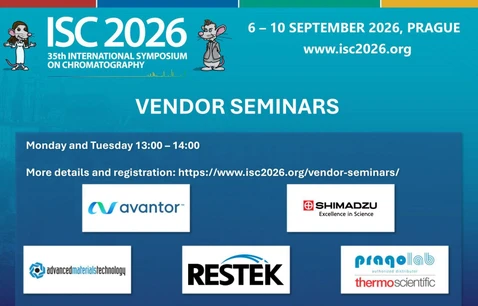
13:00 - 14:00 Industry session: Avantor vendor seminar - Stationary phase selectivity: A powerful tool for challenging separations
- Matt James, United Kingdom
Stationary phase chemistry is one of the most influential variables in chromatographic method development, providing a powerful means of controlling selectivity and achieving successful separations. While the wide range of commercially available stationary phase chemistries provides extensive opportunities to optimise selectivity, navigating these choices can be challenging, often leading to suboptimal column selection and missed opportunities to improve separation performance or speed of analysis.
This seminar will explore why stationary phase selectivity is one of the most powerful tools available to chromatographers for method development. Approaches for characterizing selectivity, including the Tanaka and Neue methodologies, will be discussed as practical tools for understanding and differentiating column chemistries. These concepts will then be used to demonstrate how stationary phase design can be rationalized and how a deeper understanding of selectivity can guide more effective column selection.
Application examples will highlight the impact of stationary phase chemistry across a range of analytes, including small molecules and peptides. The seminar will also examine how rational stationary phase selection can be incorporated into streamlined workflows for reversed-phase LC, HILIC and SFC method development.
Attendees will gain a deeper understanding of how strategic column selection can enhance resolution, reduce method development time, and enhance overall method performance. The concepts presented will provide a practical framework for scientists seeking a more structured, efficient, and knowledge-driven approach to method development.
13:00 - 14:00 Industry session: Shimadzu vendor seminar - Three new reasons to rethink your workflow
- Gesa Schad, Germany
- Waldemar Weber, Germany
Join us for an engaging seminar introducing three new analytical solutions designed to help laboratories work smarter, respond faster, improve robustness, and achieve greater confidence in their results. As analytical demands continue to grow, laboratories need technologies that not only deliver strong performance, but also enhance efficiency, flexibility, and ease of operation. This seminar will highlight how the latest innovations can streamline workflows, support complex applications, and create new opportunities for productivity across the laboratory.
1. Nexera IC – new compact ion chromatograph
This new ion chromatography solution is designed to deliver reliable, high-sensitivity analysis for a anions and cations. With a focus on stability, ease of operation, and workflow efficiency, it helps laboratories achieve consistent results while supporting applications in environmental, food, chemical, and pharmaceutical testing.
2. Nexera X4 – No more compromise in UHPLC analysis
This next-generation UHPLC platform is designed for laboratories that demand both ultra-high performance and robust operation, without compromise. Combining improved usability with dependable, consistent results, it helps optimize throughput, improve data quality, and simplify daily workflows across both routine and advanced analyses.
3. GCMS-TQ RX Series – Enhanced Sensitivity and Reliability in GC-MS/MS Analysis
Our new advanced triple quadrupole GC-MS/MS systems are engineered to provide highly sensitive, selective, and dependable analysis for complex samples. Designed to support challenging applications such as trace-level detection and regulatory testing, they enable laboratories to strengthen analytical confidence, improve reproducibility, and manage demanding workflows more effectively.
Join us to explore the latest innovations and gain valuable insights into our technologies. Register today to secure your place.
14:30–16:00 FUN 03: Multi-Dimensional Separations
Chairs:
- Peter Schoenmakers, Netherlands
- Natasha Damiana Spadafora, Italy
 ISC: ISC 2026 - Day 2: Chairs of session FUN 03: Multi-Dimensional Separations
14:30 - 15:00 Recent advances in 2D-LC separations: Instrumentation, oligonucleotides, and surfactants
- Dwight Stoll, Gustavus Adolphus College, Chemisry, Saint Peter, USA.
Two-dimensional liquid chromatography (2D-LC) separations continue to find great utility in new, challenging application areas. In this presentation I will present highlights from recent work by my research group, including applications to the separations of complex mixtures of therapeutic oligonucleotides (ONs), and surfactants. Separations of ON mixtures of pharmaceutical relevance are very challenging due to the polyanionic nature of ONs, and the presence of impurities that closely resemble the therapeutic target. We have carefully studied the dynamics of ion-pairing reversed-phase separations of these molecules, and find that large-pore (i.e., > 300 Å) materials are very helpful for improving separation efficiency (as measured by plate height), which can in turn be leveraged in the context of 2D-LC separations. In the area of surfactant separations, we have observed a very interesting selectivity for isomers of ethylene oxide (EO) / propylene oxide (PO) copolymers under non-aqueous HILIC conditions. This selectivity, when leveraged in the context of 2D-LC (HILIC x RP) separations, provides the ability to not only separate hundreds of EO/PO oligomer variants, but also PO isomers, yielding spectacular separations of these mixtures. Finally, I will share highlights of recent work aimed at revisiting the utility of ultra-fast second dimension separations on the 3 to 30 second timescale to improve the performance of 2D-LC separations with analysis times less than 1 hour.
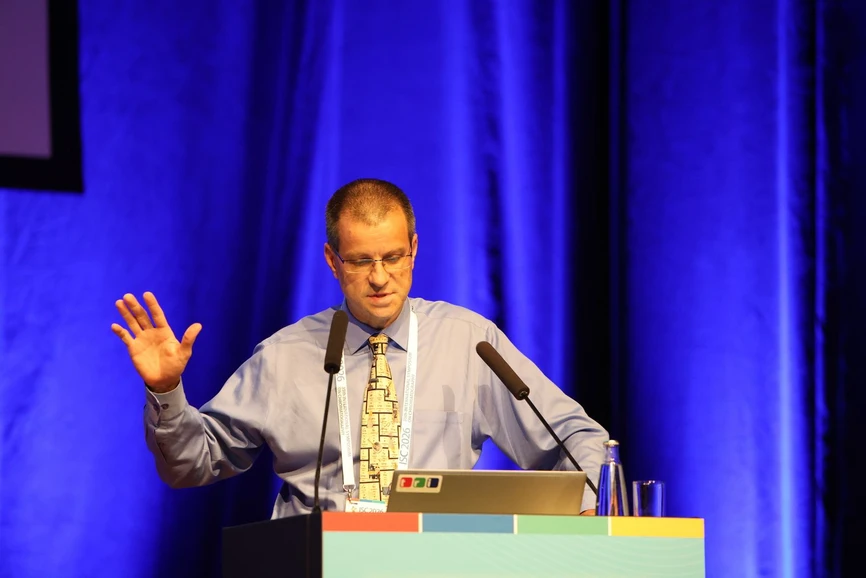 ISC: ISC 2026 - Day 2: Dwight Stoll, Gustavus Adolphus College, Chemisry, Saint Peter, USA.
15:00 - 15:20 Two-dimensional AEX – IP-RPLC: New insights on mRNA integrity and encapsulation efficiency of mRNA-lipid nanoparticle formulations
- Megane Aebischer, University of Geneva, School of Pharmaceutical Sciences, Geneva, Switzerland; University of Geneva, Institute of Pharmaceutical Sciences of Western Switzerland, Geneva, Switzerland.
Newly developed mRNA-based therapeutics and vaccines pose numerous challenges concerning Quality Attributes (QAs) that must be evaluated to ensure efficacy and safety of products. Among them, encapsulation efficiency (EE) and integrity are commonly measured with chromatographic techniques. To rapidly obtain multiple QAs of mRNA-LNP, we present an optimized two-dimensional liquid chromatography (2D-LC) approach combining anion-exchange chromatography (AEX) in the first dimension (1D) and ion-pair reversed-phase liquid chromatography (IP-RPLC) in the second dimension (2D). The 1D-AEX evaluated encapsulation efficiency of mRNA into lipid nanoparticles, whereas 2D-IP-RPLC assessed integrity profiling and mRNA-lipid adducts. Significant attention was given to the 2D optimization, to eliminate solvent incompatibility effects and ensure efficient transfer between dimensions. This approach enables simultaneous determination of EE, integrity, mRNA-lipid adducts, and transcript ratios in multi-payload mRNA-LNP formulations. The workflow demonstrates good selectivity and applicability to both mono- and multi-cargo mRNA-LNP products. It also provides chromatographic assessment of free mRNA integrity within intact LNP formulations. Finally, the method enabled the characterization of additional species and further confirmed the presence of surface-bound mRNA. These species likely explain the discrepancies observed with the RiboGreen-based encapsulation assessment, highlighting a key limitation of this technique. Overall, the presented 2D-LC platform represents a powerful analytical tool for in-depth mRNA-LNP characterization, supporting formulation development and stability assessment of emerging mRNA vaccines and therapeutics.
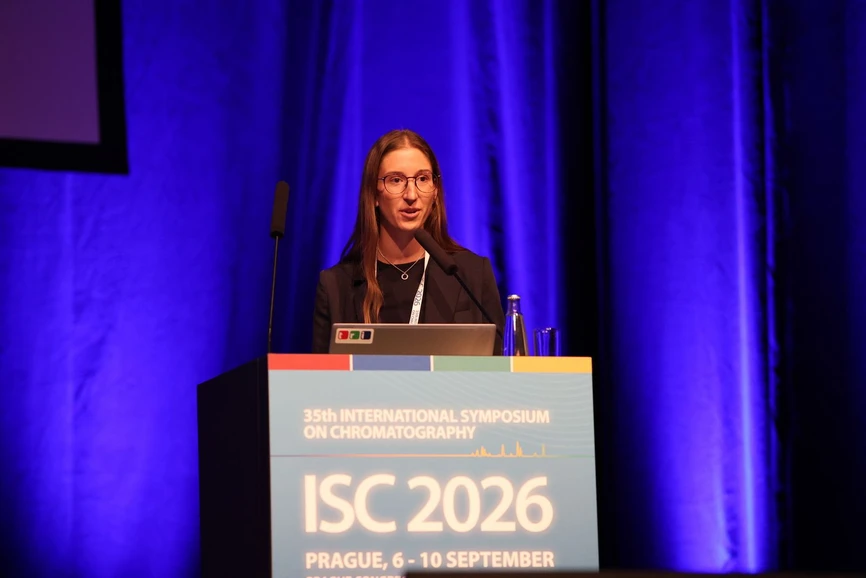 ISC: ISC 2026 - Day 2: Megane Aebischer, University of Geneva, School of Pharmaceutical Sciences, Geneva, Switzerland; University of Geneva, Institute of Pharmaceutical Sciences of Western Switzerland, Geneva, Switzerland.
15:20 - 15:40 A robust multi-criteria framework for the rational selection of orthogonal separation conditions in comprehensive two-dimensional liquid chromatography
- Soraya Chapel, CNRS, Carmen Institute- University Rouen-Normandy, Mont-Saint-Aignan, France.
In comprehensive two-dimensional liquid chromatography (LC × LC), selecting orthogonal separation conditions is one of the most important and difficult steps during method development. To evaluate the degree of orthogonality of a given LC × LC separation, many different metrics have been proposed over the past decades. In practice, however, orthogonality is often judged visually or quantified using a single favored metric. Both approaches are limited, since orthogonality is a multifaceted concept involving not only retention space coverage but also the quality of analyte distribution within this space.
To address this issue, we developed a multi-criteria approach for a more rational assessment of orthogonality in LC × LC. Our framework combines a broad panel of orthogonality descriptors within a statistical workflow designed to capture complementary aspects of separation space quality. In brief, cross-correlation analyses are used to identify similarly behaving metrics, which are then grouped prior to consensus ranking using a Borda-based aggregation method. Coverage- and distribution-related information are also treated separately, which allows a more interpretable description of separation performance. In addition, a practical 2D peak capacity is estimated from a coverage-related score, and a selectivity descriptor is also included to take into account the effective separation potential of the candidate LC × LC systems.
The methodology is implemented in an open-source tool that processes the retention data obtained from one-dimensional scouting experiments and automatically evaluates all possible pairwise combinations. Besides orthogonality, the workflow adds practical criteria such as mobile-phase compatibility and implementation complexity. This provides a clear framework for identifying effective separation systems while minimizing the impact of individual metric biases.
As an application example, we illustrate this new approach using a dataset of natural product compounds analyzed under different chromatographic conditions. The most promising combinations suggested by the framework are then tested experimentally and applied to real natural product samples in on-line LC × LC. The results demonstrate the potential of this tool-based approach to facilitate more rational and reproducible LC × LC method development.
 ISC: ISC 2026 - Day 2: Soraya Chapel, CNRS, Carmen Institute- University Rouen-Normandy, Mont-Saint-Aignan, France
15:40 - 16:00 A new approach to numerical optimization of gradient separation conditions in comprehensive two-dimensional liquid chromatography
- Petr Česla, University of Pardubice, Department of Analytical Chemistry, Pardubice, Czech Republic.
Gradient elution in liquid chromatography remains one of the most effective strategies for increasing peak capacity, improving analyte resolution, and strengthening the quantitative performance of developed methods. In comprehensive two-dimensional liquid chromatography, selecting gradient types and optimizing gradient profiles can reduce sample dilution and improve the compatibility of orthogonal separation modes. Approaches based on the fundamental description of the retention typically rely on window diagram approach/resolution maps, which require either empirical retention models suitable for analytical integration or the use of numerical integration when more complex models are involved.
In our previous work, we have shown that, for both RPLC [1] and HILIC [2] separations of biologically relevant compounds, the numerical optimization approach using retention modelling can be successfully applied to achieve optimal separation conditions. In coupling RPLC or HILIC with tandem mass spectrometry, the optimization procedure should, however, be extended to include the selection of appropriate detection conditions. We have also developed the procedure for optimizing gradient profile and tandem mass spectrometric detection conditions in multiple-reaction monitoring mode. This approach integrates several complementary criteria, i.e., interquartile range of gradient retention times, probability of mass spectrometric time-window overlapping, and effective use of the gradient time range [3]. In the present contribution, we compare these two optimization strategies and also discuss how the more comprehensive MS-integrated approach can be extended to multidimensional chromatographic separations.
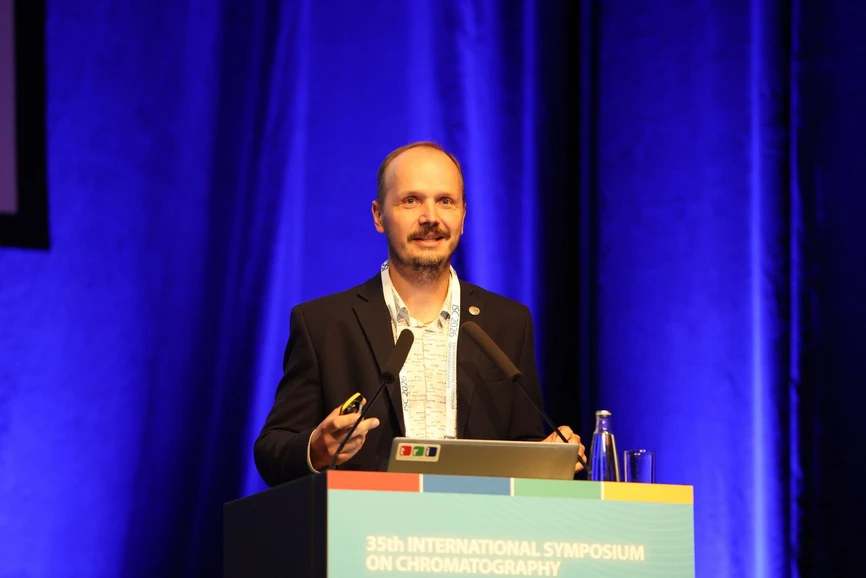 ISC: ISC 2026 - Day 2: Petr Česla, University of Pardubice, Department of Analytical Chemistry, Pardubice, Czech Republic.
14:30–16:00 BIO 03: Processing of LC/MS Data in Omics
Chair:
- Guowang Xu, China
- Peter Meikle, Australia
14:30 - 15:00 The DreaMS and MassSpecGym ecosystem for the discovery of metabolites from mass spectra
- Tomáš Pluskal, Czech Republic
Tandem mass spectrometry (MS/MS) is the primary technique for characterizing metabolites and environmental compounds in complex samples. However, less than 10% of acquired MS/MS spectra can typically be annotated with molecular structures, leaving the vast majority of the chemical space unexplored. We recently introduced DreaMS (Deep Representations Empowering the Annotation of Mass Spectra), a transformer-based neural network pre-trained in a self-supervised way on millions of unannotated mass spectra mined from public repositories [1]. We also established MassSpecGym, the largest publicly available benchmark of high-quality labeled MS/MS spectra [2]. Together, DreaMS and MassSpecGym form an ecosystem that enables the rapid development of new computational methods targeting specific challenges in molecular discovery.
Here we present new methods built on this ecosystem: DreaMS-Novelty scores each spectrum in an LC–MS/MS experiment by its dissimilarity to all known compounds in spectral libraries, prioritizing structurally novel metabolites for isolation and NMR characterization. DreaMS-Mol is a general-purpose model for predicting molecular structures from mass spectra, equipped with an atom-level confidence function that quantifies the reliability of each predicted substructure.
15:00 - 15:20 From raw LC‑HRMS data to biomarkers: Workflow and critical steps for untargeted metabolomics profiling
- Luisa Barreiros, LAQV- REQUIMTE- Department of Chemical Sciences- Faculty of Pharmacy- University of Porto, Rua Jorge Viterbo Ferreira 228, Porto, Portugal; ESS- Polytechnic of Porto, R. Dr. António Bernardino de Almeida 400, Porto, Portugal.
The study of human metabolome requires analytical strategies that capture broad metabolic alterations while maintaining reliable quantitative information. Mass spectrometry (MS)-based metabolomics addresses this need through complementary approaches: untargeted analysis, which enables comprehensive profiling and discovery of metabolites associated with health and disease, and targeted analysis, which provides accurate quantification of predefined metabolites of interest [1].
Untargeted metabolomics typically employs liquid chromatography coupled to high-resolution mass spectrometry (LC-HRMS), generating complex datasets that require rigorous processing to ensure correct interpretation. Data treatment workflows encompass raw data acquisition, storage and conversion, import, data compression, normalization, scaling and transformation, feature detection/peak resolution, statistical screening of discriminant features, metabolite annotation/identification, and biochemical interpretation. Data compression is among the most critical steps as it must substantially reduce dimensionality (often gigabytes of data) without compromising accuracy or biologically relevant information. Although vendor software is widely applied, proprietary or undisclosed algorithms may limit transparency and methodological flexibility. Chemometric tools offer a more customizable alternative. In particular, Regions of Interest-Multivariate Curve Resolution (ROIMCR) has been successfully applied to untargeted LC‑HRMS metabolomics studies, supporting efficient data handling and biomarker discovery in health-to-disease transition [2-4].
This communication aims at presenting a ROIMCR-based workflow for the progression from raw LC‑HRMS data to candidate biomarkers, highlighting the critical steps that most strongly influence downstream results. The application to the metabolomic profiling of human plasma samples towards the identification of chronic kidney disease (CKD) biomarkers is described as case study [4].
15:20 - 15:40 Metabolomics-guided discovery of bioactive metabolites from environmental and human-associated Streptomyces
- Taťána Gazárková, Institute of Microbiology of the Czech Academy of Sciences, Laboratory of Antibiotic Resistance and Microbial Metabolomics, Prague 4, Czech Republic; First Faculty of Medicine and General University Hospital in Prague- Charles University, Institute of Medical Microbiology, Prague 2, Czech Republic.
The emergence of antifungal resistance represents a growing global health concern, while the discovery of new antifungal agents remains limited. Natural products produced by Actinomycetota, particularly members of the genus Streptomyces, have historically served as a major source of antimicrobial drugs. However, most discovery efforts have focused on soil-derived species, whereas host-associated streptomycetes remain comparatively underexplored despite their potential to produce specialized metabolites shaped by host-microbe interactions.
In this study, we investigate the metabolic potential of 124 Streptomyces strains, comprising 66 environmental and 58 human-associated isolates, to identify bioactive metabolites. The strains were cultivated under various culture conditions, including monoculture and co-cultivation with Candida albicans, designed to stimulate secondary metabolite production. Extracts obtained from these cultures were evaluated for biological activity to enable subsequent correlation with metabolomic profiles.
Untargeted metabolomic profiling was performed using high-performance liquid chromatography coupled with high-resolution ion mobility mass spectrometry (LC-IMS-MS/MS, timsTOF). Data processing, including feature detection and alignment, was carried out using MZmine, followed by spectral matching against public repositories and in-house spectral libraries containing bioactive compounds (>10,000). Molecular relationships among detected features were explored using a feature-based molecular networking workflow in GNPS2. Additional structural annotation was supported by in-silico structure prediction using SIRIUS, while metabolite networks were visualized and explored in Cytoscape.
The resulting metabolomic datasets are currently being integrated with antifungal bioactivity data using in-house R scripts and complementary bioinformatic tools to prioritize metabolites associated with biological activity. In addition, genomic analyses of selected strains will provide further insight into their biosynthetic potential and support the identification of corresponding biosynthetic gene clusters.
This integrative workflow, combining bioactivity screening, untargeted metabolomics, and genomics, provides an effective strategy for prioritizing bioactive metabolites and facilitating the discovery of novel antifungal compounds from previously underexplored host-associated Streptomyces.
 ISC: ISC 2026 - Day 2: Taťána Gazárková, Institute of Microbiology of the Czech Academy of Sciences, Laboratory of Antibiotic Resistance and Microbial Metabolomics, Prague 4, Czech Republic; First Faculty of Medicine and General University Hospital in Prague- Charles University, Institute of Medical Microbiology, Prague 2, Czech Republic.
15:40 - 16:00 Overcoming current limitations in industrial citrus debittering: Non‑thermal processing of cloudy orange juice validated by Orbitrap metabolomics and molecular networking
- Araceli Rivera-Pérez, University of Almeria-University of Granada, Department of Chemistry and Physics-Department of Analytical Chemistry, Almeria-Granada, Spain.
Industrial debittering of orange juice (i.e., limonin removal) typically requires heating or clarification steps because conventional industrial systems cannot efficiently process cloudy juice containing pulp and suspended solids. These operations frequently compromise the nutritional and chemical quality of the final product. This study [1] evaluated an expanded bed vortex flow reactor (EB‑VFR) as a non‑thermal alternative capable of directly processing unclarified, pulp‑containing orange juice. Its operating configuration allows uniform resin-juice contact, enabling efficient limonin removal without the need for heating or clarification steps. To comprehensively assess the impact of this process, ultra‑high performance liquid chromatography coupled to quadrupole‑Orbitrap high‑resolution mass spectrometry (UHPLC‑Q‑Orbitrap‑HRMS) was applied using a three-fold analytical strategy: limonin removal monitoring, untargeted metabolomics to evaluate global metabolic changes, and suspect screening of key juice constituents. The EB‑VFR enabled efficient limonin removal, achieving up to > 99% reduction and maintaining concentrations below the known sensory bitterness threshold (6 mg/L). Untargeted metabolomics revealed a clear separation between treated and untreated juices, highlighting 35 discriminant metabolites responsible for the compositional shifts. Bitter limonoids (limonin) and glycosylated flavonoids (naringin, neohesperidin) markedly decreased, confirming selective adsorption by the methacrylic resin. Conversely, desirable metabolites associated with flavor and freshness, including amino acids such as L‑phenylalanine and L‑proline, organic acids like citric acid, and several oxidized sugar derivatives, increased after treatment, suggesting that the non‑thermal process preserves or even enhances key juice components. Suspect screening reinforced these findings, confirming that vitamin C (ascorbic acid) remained unchanged, in contrast to conventional resin‑based or thermal debittering methods, where ascorbic acid losses are frequent. Moreover, pathway analysis and molecular networking analyses further contextualized these changes, showing coherent structural relationships within limonoids, flavonoids, amino acids, sugars, and phospholipid‑related compounds, and illustrating the reactor’s selective removal of bitterness‑driving metabolites while preserving broader metabolic families. Overall, this study provides the first comprehensive HRMS‑metabolomics and molecular networking characterization of orange juice processed by the EB‑VFR. The results demonstrate that this non‑thermal approach is highly effective at debittering while preserving chemical value and enhancing key quality‑related metabolites. These outcomes support the EB‑VFR system as a potential sustainable, energy‑efficient, and composition‑preserving alternative to conventional industrial debittering technologies.
14:30–16:00 HYP 03: Ionization Techniques in GC/MS and LC/MS
Chair:
- André de Villiers, South Africa
- Michal Kašpar, Czech Republic
14:30 - 15:00 Coupling LCxLC and GC with SLIM-qTOF-MS for a powerful orthogonal two-dimensional separation of complex samples
- Oliver Schmitz, University of Duisburg-Essen, Applied Analytical Chemistry, Essen, Germany.
Non-target analysis (NTA) has become a key tool in modern analytical chemistry in recent years. Unlike targeted methods, which only detect known substances, NTA enables both known and unknown chemical components to be determined in complex samples. This provides an unbiased view of the chemical composition of, for example, environmental, food, or biological matrices. One of the particular advantages of NTA is that it allows the discovery of previously unidentified or unexpected compounds, including transformation products, contaminants, and emerging environmental chemicals. GCxGC and LCxLC significantly increases separation prior to mass spectrometric analysis compared to one-dimensional chromatographic methods, thereby i) generating cleaner and thus more easily interpretable mass spectra and ii) reducing ion suppression in atmospheric pressure ion sources. In order to achieve baseline separation in complex samples containing several thousand substances, such as plant extracts and foodstuffs, so that a pure mass spectrum is generated for each substance, separations with very high peak capacities must be achieved. According to the component overlap theory, in two-dimensional chromatography the number of baseline-separated signals is a maximum of 9% of the theoretically calculated peak capacity. This means that for complex samples with, for example, 2000 constituents, peak capacities of 11,111 would have to be achieved. To our knowledge, such high separation performances have not yet been published in a reasonably acceptable and thus routine analysis time. In order to obtain these high peak capacities for maximum information content from the analysis within one hour of analysis time, LCxLC was coupled with the latest generation of ion mobility mass spectrometers, SLIM-qTOF-MS. In addition the first coupling of GC with atmospheric pressure photoionization and invers low temperature plasma ionization to SLIM-qTOF-MS will be presented for the analysis of various cannabis samples.
15:00 - 15:20 GC×GC-MS with modern ionisation techniques for the analysis of sustainable aviation fuels
- Sebastian Löbbecke, Universität Duisburg-Essen, Applied Analytical Chemistry, Essen, Germany.
Sustainable aviation fuels (SAF) are crucial for decarbonisation efforts in the aviation industry. With the goal of 35 % synthetic SAF in all European airports by 2025,[1] the need for new production pathways is clear. A promising strategy is the production of SAFs by the methanol-to-jet process.[2] In this process intermediary stages as well as the finished product are characterised by their high complexity. Although the number of substance classes is rather low, the number of isomers within each class is extraordinarily high. Therefore, powerful analytical methods are required to comprehensively characterise SAF samples. This is usually done by two-dimensional gas chromatography (GC×GC) with either flame ionisation detection (FID) or mass spectrometry (MS).[3] While FID is great for quantification due to high sensitivity and universal response, MS offers the potential to identify analyte classes by specific mass spectra. Usually, electron ionisation (EI) is used as the standard ionisation source in GC-MS coupling. EI however leads to strong fragmentation of the analytes and diagnostically valuable molecular ions are lost in many cases. Therefore, alternative ion sources like chemical ionisation (CI) using methane or isobutane reagent gases are worthwhile investigating. Cryo-modulated GC×GC-CI-MS using isobutane as reagent gas showed the most promising results and allows for high chromatographic resolving power with good detection capability of the MS. However, olefins and naphthenes are difficult to differentiate due to thiers same molecular formula and similar mass spectra. Thus, an alternative approach using a tube plasma ionisation (TPI)[4] and inverse low temperature plasma (iLTP) ion source were coupled in a GC×GC-qTOF setup. This allows differentiation of olefins and naphthenes as olefins are ionised as [M+NO]+ species and naphthenes as [M-H]+ species, differentiating them by m/z-ratio. Further, the fragmentation observed can also be reduced compared to standard EI. To overcome quantification difficulties with MS, the analytical flow was split post-column to allow for simultaneous MS and FID detection. This allows quantification by FID and identification by MS. Another challenge is the complexity of the data obtained from a GC×GC run. Therefore, a python-based workflow was developed for peak picking, demodulation, clustering, identification and quantification.
15:20 - 15:40 Usage of the Century Mix for the comparison of GC-EI-HRMS versus GC-SICRIT-HRMS
- Clément De Saint Jores, Université d'Orléans, UMR 7311 ICOA - Institut de Chimie Organique et Analytique, Orléans, France.
Soft-Ionization by Chemical Reaction in Transfer (SICRIT®, Plasmion) is a novel ionization source which can be used to couple different types of chromatography (LC, GC) to atmospheric pressure mass spectrometers. This source uses a nitrogen plasma to ionize the analytes with a range of polarity usually covered by EI (Electron Ionization) and APCI (Atmospheric Pressure Chemical Ionization). This new type of source creates other types of mass spectra (e.g., oxidation and different fragmentation patterns can be observed) compared to classical GC-EI-MS. To our knowledge there is no diverse comparison of these two sources across a wide range of molecules.
In this study, different systems will be compared, GC-SICRIT-Orbitrap, GC-SICRIT-HRTOF, GC-EI-Orbitrap and GC-EI-LRTOF to study the impact of analyzer geometry and also temperature of the SICRIT source. In all systems the Century Mix developed by Dimandja et al. [1] will be used as reference standard. Even if Century Mix was developed in order to characterize 2D-GC systems, the large number of chemical families such as alkanes, aromatics, ketones, alcohols, esters, acids…, is really useful to compare the ionization source technologies and mass spectrometers, due to the differences and similarities between mass spectra. In addition, with mass spectra profiles, and relative intensities between analytes due to their ionizability, Kendrick’s diagram will also be used as a descriptor, and will help to determine the chemical families on real matrices.
 ISC: ISC 2026 - Day 2: Clément De Saint Jores, Université d'Orléans, UMR 7311 ICOA - Institut de Chimie Organique et Analytique, Orléans, France.
15:40 - 16:00 Complementary ionization strategies in LC–MS: A comparative study of ESI and DBDI in complex biological samples
- Christina Brenner, University of Vienna, Department of Analytical Chemistry, Vienna, Austria.
The chemical space accessible to conventional untargeted metabolomics experiments is limited by several factors, including sample preparation, chromatographic separation and choice of mass analyzer. Another important factor is the ionization mechanism. While electrospray ionization (ESI) is often the method of choice for established LC-MS workflows, phenomena such as in-source fragmentation (ISF) and the preferential ionization of more polar compounds can narrow metabolome coverage. In addition, insufficient ionization efficiency may limit the generation of high-quality fragmentation spectra required for confident compound annotation. Alternative ionization strategies – such as dielectric barrier discharge ionization (DBDI), an ambient plasma-based process – may provide access to a complementary region of chemical space, thereby enabling deeper profiling of already well-explored sample types.
In this work, we systematically compare a DBDI source (SICRIT®, Soft Ionization by Chemical Reaction in Transfer) with a conventional heated ESI source on a Thermo Fisher Scientific Orbitrap™ IQ-X™ for the analysis of complex biological sample matrices, such as urine, plasma and feces. Samples were analyzed using two different chromatographic gradients optimized for broad untargeted metabolomics and lipidomics coverage and data was acquired in both positive and negative ionization mode to capture a wide range of compound classes. We characterize both shared and unique features produced by each ionization method across diverse compound classes.
Preliminary findings suggest that SICRIT® enables the detection of distinct molecular features, particularly less polar compounds that are either not observed or detected in substantially lower abundance with ESI. In addition, we investigate the extent of ISF, as well as the generation of different ion species during the ionization process. By evaluating the complementarity of these ionization sources, we aim to characterize the applicability of DBDI for untargeted metabolomics and explore its potential to support future developments in other areas, such as environmental metabolomics and natural product discovery.
16:00–16:30 Coffee Break
 ISC: ISC 2026 - Day 2: Coffee break
16:30 - 17:50 Industry Session: Activity 1: Discussion session - Industry & education
This discussion session will explore the relationship between education in separation science in academia and the expectations of industry, focusing on how universities and companies can better collaborate to prepare graduates for successful careers in analytical laboratories and R&D environments.
The goal of the session is to provide perspectives from both academia and industry on how education in chromatography and related separation techniques can evolve to better reflect current technological, methodological, and regulatory challenges.
Discussion Topics:
- Bridging academia and industry: how both sectors perceive current cooperation and where improvements are possible
- Graduate preparedness: which skills and competencies are often missing when entering industrial roles, and in which areas graduates typically excel
- Approaches to teaching separation science: how chromatography and related analytical techniques are taught across different universities and regions
- Industry support for education: examples of collaboration such as internships, industrial placements, joint teaching activities, or access to instrumentation
- Experiences with academia–industry partnerships: what models of cooperation have proven effective in practice
- Future perspectives: how education in separation science should adapt to emerging trends such as automation, digitalization, sustainability, and regulatory requirements
Format:
Moderated panel discussion with short introductory remarks from invited speakers representing both academia and industry, followed by an interactive discussion with the audience.
Panelists:
- Shimadzu
- Novartis
- Jelle De Vos, RIC Group
- Davy Guillarme, University of Geneva
- Caterina Temporini, University of Pavia
16:30–18:00 FUN TY 1: Chromatographic Columns and Stationary Phases
Chairs:
- Ken Broeckhoven, Belgium
- Petr Česla, Czech Republic
 ISC: ISC 2026 - Day 2: Chairs of session FUN TY 1: Chromatographic Columns and Stationary Phases
16:30 - 17:15 Modern stationary phases and column technologies for liquid chromatography
- Michael Lämmerhofer, Germany
Modern stationary phases and column technologies are redefining the performance of liquid chromatography. In the past decade, innovations in particle engineering, surface chemistry, column architecture and bioinertness of column hardware have enabled unprecedented speed, efficiency, selectivity and resolution, expanding LC’s power in complex analytical applications like cutting‑edge (bio-)pharmaceutical analysis, bioanalysis, metabolomics, and proteomics. This presentation surveys the most impactful advances in stationary phases and column technologies.
The tutorial will advance the understanding of fundamentals on silica particle properties, surface‑bonding strategies, and approaches to improve mechanical, pH, and thermal stability. Stationary phase chemistries and selectivities for various modes of LC will be surveyed including RPLC, and HILIC. The tutorial will further expand the knowledge of alternative packings like polymer materials employed for biopolymer analysis. It will explore emerging chemistries – core‑shell, sub‑2 µm porous, hybrid organic‑inorganic, polymer‑based ion‑exchange, mixed‑mode phases, and chiral phases. In one part, application-driven innovations will be discussed – columns optimized for biopharmaceuticals, metabolomics, lipidomics, and oligonucleotide separations. The lecture will mainly navigate the commercial landscape – focusing mainly on popular currently available columns, their key selectivities, and performance highlights. Part of the lecture will be methodologies employed to characterize stationary phases comprising elemental analysis, solid‑state 13C/29Si CP-MAS NMR, ζ‑potential, linear solvation energy relationship (LSER) studies, and standard chromatographic test protocols.
This tutorial provides a concise, up‑to‑date overview of the concepts that have shaped today’s stationary phases and column designs, intending to equip participants with a practical framework for column selection.
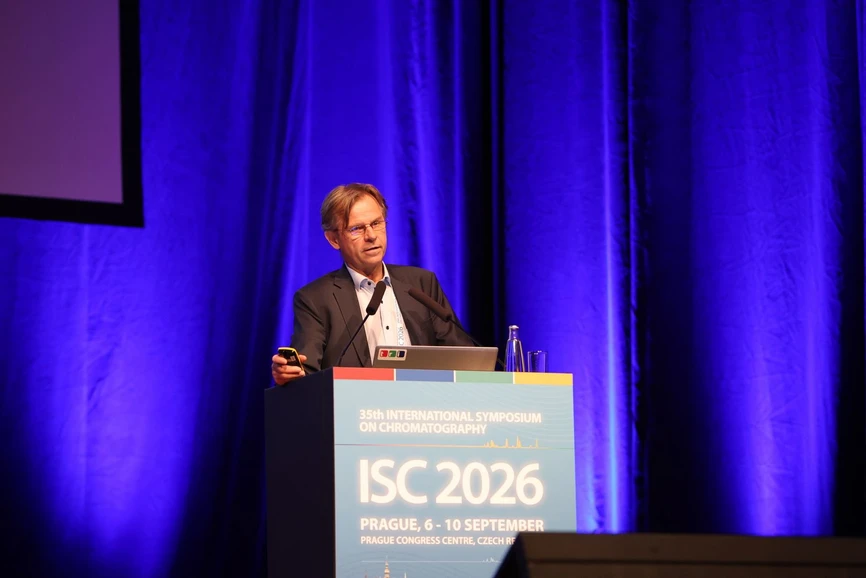 ISC: ISC 2026 - Day 2: Michael Lämmerhofer, Germany
17:15 - 17:30 Enhanced liquid chromatography utilizing acoustic streaming-induced lateral flow
- Elahe Naghdi, Vrije Universiteit Brussel, µFlow group- Department of Chemical Engineering, Brussels, Belgium.
The separation resolution in the most advanced pressure-driven separation devices is predominantly limited by Taylor-Aris dispersion. The induction of an active flow perpendicular to the axial flow has recently been proposed and validated as an efficient mitigation strategy. The lateral flow facilitates the mass transfer of the sample in the transversal direction and, consequently, diminishing the Taylor-Aris dispersion. The active lateral mixing has been generated by an external power, such as alternating current-electroosmotic flow and acoustic streaming. The latter is commonly established by matching the channel width with the applied acoustic wavelength (λw) to satisfy the resonance condition (characterization dimension =n*λw/2). Consequently, the channel width restricts to approximately 40μm due to the limitations of the commercially available actuators, which is not applicable for chromatographic purposes.
In this study, a novel strategy was proposed, in which the depth of the separation channel was matched with the λw to induce the lateral flow, and the channel width was freely tuned to the chromatographically relevant dimensions. Asa result, extensive lateral mixing in the microchannel with dimensions relevant for chromatographic purposes was achieved. The experimental optimization process revealed that applying 2.0Vpp at a frequency of 10.0MHz into a 10.0MHz actuator matched with a microcolumn possessing a depth of 75.0µm and a width of 10.0µm induced a sufficient acoustic streaming, reducing Taylor-Aris dispersion of dextran 20 kDa (as a macromolecule model) up to 10-fold. The efficacy of the developed methodology was further demonstrated through the separation of two macromolecules (dextran 10 kDa and bovine serum albumin (BSA)) in the microfluidic column coated with C8 stationary phase, indicating a significantly better efficiency in a shorter time.
In summary, an acoustic streaming-based methodology was introduced to produce the lateral flow in a chromatographic microcolumn. The target analyte in the resulting separation channel experienced a 10-fold reduction in Taylor-Aris dispersion, leading to a substantial improvement in the separation efficiency and separation resolution. This enhancement is particularly beneficial for large molecule (e.g. protein) separations due to their low molecular diffusion coefficient (high Taylor-Aris dispersion).
 ISC: ISC 2026 - Day 2: Elahe Naghdi, Vrije Universiteit Brussel, µFlow group- Department of Chemical Engineering, Brussels, Belgium.
17:30 - 17:45 Identification of mobile and stationary phase contributions to the plate height in randomly packed chromatographic media
- Ali Moussa, Vrije Universiteit Brussel, Department of Chemical Engineering, Brussels, Belgium.
In modeling chromatographic plate height, the classical Giddings approach remains widely used to estimate the stationary-phase contribution. A key assumption of this framework is a uniform analyte concentration at the stationary-phase surface. While this assumption is reasonable for some type of columns like the open tubular capillary columns, it becomes questionable in more complex and widely used columns such as randomly packed beds. In this work, we quantify the respective contributions of the mobile and stationary phases to plate height in randomly packed chromatographic media using the recently developed Brenner formalism–based Two-Zone Moment Analysis (TZMA) method which enables a rigorous separation of mobile- and stationary-phase effects. The method is applied to large computational domains representing random packings of fully porous spherical particles with an external porosity of ε = 0.40 and over a broad range of zone retention factors (0.5 ≤ kʺ ≤ 16).
The stationary-phase contribution to plate height hCs obtained using the Brenner-based formalism shows qualitative similarities to the Giddings prediction but also important differences. In the Giddings framework, hCs scales linearly with the Péclet number Pe. In contrast, the Brenner-based hCs follows a power-law dependence and transitions to a linear regime only at high Pe. The discrepancy between both approaches becomes more pronounced as kʺ increases. After subtracting hCs from the total plate height h, the mobile-phase contribution hCm is found to increase monotonically with increasing kʺ and approaches an asymptotic saturation at high retention. This asymptotic regime is reached more rapidly when hCs is evaluated using the Brenner-based expression rather than the Giddings model, indicating that the separation framework significantly influences the interpretation of mobile-phase effects.
The hCm data are subsequently modeled using a classical composite expression combining a logarithmic term for eddy dispersion and a Sherwood number–dependent term accounting for resistance to mass transfer. This model accurately describes the data when the Giddings approach is used, yielding root mean square errors between 1–4% for hCm and 0.5–1% for h. However, when the Brenner-based approach is employed, the same composite model fails to capture the observed trends in hCm especially at high retention. These results demonstrate that adopting the Brenner formalism fundamentally changes the interpretation of plate height contributions and highlight the need for new modeling frameworks capable of consistently describing mobile-phase dispersion in randomly packed chromatographic systems.
 ISC: ISC 2026 - Day 2: Ali Moussa, Vrije Universiteit Brussel, Department of Chemical Engineering, Brussels, Belgium.
17:45 - 18:00 Morphology tuning of polymer monolith columns for biomolecules: Considerations and guidelines
- Daniel Papp, Vrije Universiteit Brussel, Department of Chemical Engineering, Brussels, Belgium.
Rigid macroporous polymer-based monolithic columns were introduced in the early 1990s as an alternative to conventional packed beds. Their extremely high permeability and the potential for enhanced mass transfer through convective transport have often been highlighted as key advantages. However, in practice, the kinetic performance of polymer monoliths has not yet surpassed that of state-of-the-art packed columns. In packed columns, separation efficiency is fundamentally constrained by particle size, while the total porosity is fixed by packing geometry. Monolithic structures, in contrast, offer architectural freedom to decouple permeability and transport pathways. Yet, strategies that maximize permeability by introducing large macropores have been shown to impair mobile phase mass transfer, ultimately limiting resolving power. Overcoming this trade-off remains a key challenge for next-generation monolithic stationary phases.
This study aims to optimize the macropore architecture of polymer monolithic capillary columns for operation under ultrahigh-pressure conditions to simultaneously enhance resolving power and sample throughput. Resolving power will be improved by minimizing band broadening associated with eddy dispersion and mass-transfer limitations, while throughput will be increased by enabling higher mobile phase velocities. Therefore, the effects of key experimental parameters, including the monomer-to-crosslinker feed ratio, porogen composition, monomer-to-porogen ratio, initiator concentration, polymerization time, and temperature, were systematically investigated. Following systematic optimization of the polymerization formulation and reaction conditions, nanostructured monolithic materials with a tailored macropore architecture were developed to enable efficient biomolecular separations. The developed columns enable high-throughput biomolecular separations, allowing intact proteins to be analyzed within a 30 s cycle time and peptides to be separated using 2-min gradient programs. These columns also demonstrated strong potential for the high-resolution analysis of intact proteins, including the characterization of post-translational modifications (PTMs), highlighting their promise for advanced proteoform separations. Finally, column robustness is examined through an evaluation of run-to-run and column-to-column repeatability.
 ISC: ISC 2026 - Day 2: Daniel Papp, Vrije Universiteit Brussel, Department of Chemical Engineering, Brussels, Belgium.
16:30–18:00 BIO TY 01: Biopharmaceuticals
Chair:
- Amanda Guiraldelli, Belgium
- Jonathan Maurer, Switzerland
16:30 - 17:15 Bioinert LC separations
- Martin Gilar, Waters Corp., R&D, Milford, USA.
It has been reported that liquid chromatography analysis (LC) of certain small molecules, peptides, oligonucleotides, and other biopolymers, is complicated by unexpected sample loss, non-repeatable quantitation, and elevated sample carryover. This behavior, attributed to non-specific adsorption (NSA) of the sample on LC column, is not fully understood yet.
Recently, we investigated this phenomenon experimentally [1]. The NSA analyte loss is most common for acidic analytes such as nucleotide triphosphates, phosphopeptides, and nucleic acids. It is not limited to LC column but occurs on all parts of LC hardware [2-4], especially on LC frits [1]. We used Multiple Injections in a Single Experimental Run (MISER) method to investigate the extent of NSA on LC hardware. LC frits were used as model due to their large surface area. Both stainless steel and titanium frits exhibited NSA behavior.
The mechanism of NSA appears to be ionic: anionic analytes (oligonucleotides, nucleotide triphosphates) were adsorbed on positively charged metal-oxides present on the frit surface. Metal-oxides are amphoteric in nature; they are positively charged at acidic pH, and could be discharged in basic mobile phase pHs. NSA interactions were enhanced at acidic low ionic strength mobile phases typically used in LC-mass spectrometry (LC-MS) applications.
We selected 25mer phosphorothioate oligonucleotide to quantify the NSA adsorption capacity of 2.1 and 4.6 mm i.d. LC frits. The observed sample loss was significant, up to hundreds of pmoles, depending on mobile phase pH. We investigated methods to reduce NSA impact on chromatographic analysis. Dynamic conditioning of LC hardware with sample excess or with a surrogate molecule was helpful but offered only temporary solution. More promising approach is modification of LC hardware with chemical barrier, so called hybrid-surface technology (HST). Modified LC columns had superior performance for analysis of nucleic acids, phosphopeptides, and small acidic molecules. Among these benefits the HST column hardware was shown to reduce metal adducts in LC-MS and (ii) minimized on-column analyte oxidation.
 ISC: ISC 2026 - Day 2: Martin Gilar, Waters Corp., R&D, Milford, USA.
17:15 - 17:30 Advancing drug discovery of covalent kinase inhibitors with liquid chromatography and electron-activated-dissociation mass spectrometry
- Benedikt Masberg, Institute of Pharmaceutical Sciences, Pharmaceutical Bioanalysis, Tübingen, Germany.
Covalent kinase inhibitors (CKIs) like Afatinib or Osimertinib covalently bind to thiol-moieties of cysteine residues in the ATP binding pocket of target tyrosine kinases to selectively block the protein function. Their superior selectivity and duration of effect raised major interest in targeted synthesis for CKIs. With computational binding prediction models already established, the unambiguous proof of target binding and covalent modification needs to be confirmed by mass spectrometry (MS), mutations in the binding site of the target or X-ray crystallography.
We herein introduce a high throughput LC-EAD/CID-MS/MS workflow to confirm the binding of CKIs at target kinases. We adopt state-of-the-art proteomic sample preparation techniques with a variety of proteases for protein digestion. With biocompatible HPLC systems and columns in low-flow mode, we increase sensitivity while maintaining high sample throughput. Furthermore, we utilize the Electron Activated Dissociation (EAD) implemented into the new Sciex ZenoTOF 8600 mass spectrometer to fragment CKI-Kinase-adducts for more comprehensive bottom-up characterization, beyond the limited information from CID fragmentation. To increase sensitivity even further, we use ZenoTrapping and Scanning-SWATH of the mass spectrometer to enhance sequence coverage in complex protein digestion matrices.
The presented workflow eliminates the need for biological assays for proof of target binding and can be used for a variety of covalent modifications beyond kinase inhibitors. It can be applied to analyze complex proteome digestion samples and therefore enhance information gain in pre-clinical studies for drug development.
 ISC: ISC 2026 - Day 2: Benedikt Masberg, Institute of Pharmaceutical Sciences, Pharmaceutical Bioanalysis, Tübingen, Germany.
17:30 - 17:45 Hydrophobic interaction chromatography developments for ADCs: Tunable selectivity and MS‑friendly methods
- Jonas Wege, Tosoh Bioscience GmbH, Product Management, Griesheim, Germany.
Characterizing antibody–drug conjugates (ADCs) is complicated by the large variability in linker–payload chemistries, which produce broad differences in hydrophobicity, DAR (drug-to-antibody-ratio) distribution, and variant profiles. These structural differences challenge traditional hydrophobic interaction chromatography (HIC), while the high salt concentrations required for HIC retention prevent direct mass spectrometric identification. Here, we address these limitations through coordinated advances in stationary‑phase design and mobile‑phase engineering.
First, we evaluated conventional and modern HIC stationary phases with different hydrophobicities and selectivities to accommodate the diverse chromatographic behaviors arising from different linker–payload structures. The modern phases provided robust, high‑resolution separation and reproducible DAR quantification across multiple ADC modalities, with improved resolution of high‑DAR species as well as low‑abundance intermediate DAR species.
Second, these chromatographic advances were combined with targeted method and mobile‑phase development to establish a rapid native HIC workflow with enhanced MS compatibility. The use of ammonium tartrate provides separations comparable to ammonium sulfate, while enabling both fast, PAT‑compatible analyses and MS‑compatible workflows.
Together, these results establish a high-resolution, and MS-compatible HIC platform that addresses the analytical challenges posed by linker–payload variability and high-salt constraints, enabling comprehensive ADC characterization in analytical and in process monitoring applications.
17:45 - 18:00 From clinical studies to commercial products: Universal chromatographic solutions and global regulatory requirements for excipient analytics in protein and CGT biotherapeutics
- Jeroen De Keijzer, Johnson & Johnson Innovative Medicine, DPDS-TDS-Analytical Development, Leiden, Netherlands.
Excipients are included in protein and cell & gene therapy (CGT) drug products to protect, support or enhance the stability of the active pharmaceutical ingredient during storage and use. As excipients are an essential component of biotherapeutics, health authorities require phase‑appropriate quantitative control of excipients during release and stability testing.
Despite growing awareness among drug developers and regulators on the importance of excipients, analytical strategies for excipient analysis remain fragmented. Many laboratories still rely on legacy, analyte‑specific methods that are not readily transferable between biotherapeutic modalities because of matrix interferences or limitations in the methods dynamic range.
Motivated by recent advances in liquid chromatography hardware and GMP-compliant detectors for chromophore‑free analytes, we redeveloped our analytical toolbox to be compatible with different biotherapeutic modalities & matrices using a limited number of 3 methods that are suitable for routine, robust excipient analysis in a QC environment. Here we present the ICH Q14‑ and MyGreenLab‑compliant development of a multi‑excipient (MEx) method that quantifies analytes in a single run across a dynamic range from 10 μg/mL to 100 mg/mL. In addition, we present on novel innovative chromatographic solutions that enable robust quantification of surfactants (e.g., polysorbate 20, polysorbate 80 and poloxamer 188), an industry‑wide analytical challenge. By integrating these chromatographic solutions into clinical-to-commercial analytical strategies we are able to support the needs of QC laboratories, meet regulatory expectations and help ensure continued product availability for patients.
 ISC: ISC 2026 - Day 2: Jeroen De Keijzer, Johnson & Johnson Innovative Medicine, DPDS-TDS-Analytical Development, Leiden, Netherlands.
16:30–18:00 HYP TY 1: LC/MS of Small Molecules
Chair:
- Michaela Chocholouskova, Singapore
- Hanne Røberg-Larsen, Norway
16:30 - 17:15 LC-MS tutorial: Which analytes are in my samples and what are their amounts?
- Gérard Hopfgartner, University of Geneva, CHIAM, Geneva 4, Switzerland.
Liquid chromatography coupled with tandem mass spectrometry (LC-MS/MS), with electrospray ionization (ESI) is a well established technique because it provides highly sensitive, selective, and versatile separation and detection of a broad range of analytes in complex biological matrices. This includes pharmaceuticals, pesticides, drugs of abuse, metabolites, lipids, oligonucleotides, peptides, and proteins.
In an LC MS screening context, compound identification is typically followed by the need for quantitative information. In contrast, when performing targeted LC MS/MS, the primary focus is quantification, yet there remains an interest in detecting any other analytes that may be present in the matrix.
While triple quadrupoles (QqQ) were initially used for both compound identification and quantification in early LC MS/MS workflows, multiple reaction monitoring (MRM) on QqQ instruments remains today the workhorse for targeted analysis up to several hundreds of analytes. However, method development and method transfer remain challenging because ionization efficiency is influenced by numerous uncontrolled matrix dependent effects. Improved chromatography, sample preparation or changes in ionization method can help to overcome these issues. Another alternative is chemical derivatization, which offers an elegant solution for accurate quantification in metabolomics where isotopically labelled internal standards (IS) are limited.
Over the last decade, high-resolution mass spectrometry, with accurate mass measurements, using quadrupole time of flight or orbitraps, has gained interest both for qualitative and quantitative analyses. Due to the fast MS acquisition rates, data dependent (DDA) and data independent acquisition (DIA) workflows have opened the door to simultaneous qualitative and quantitative analysis (QUAL/QUAN). Benefits and limitations of these workflows with low resolution or high-resolution MS will be discussed on selected examples.
Due to the high sensitivity of LC-MS (down to the femtogram) general screening using elemental formula, and MS/MS spectra is of high interest. However, in many cases, no interesting compounds or too many compounds are detected. Various current workflows will be presented for compound identification by MS/MS to minimize false positive and negative identification with and without reference MS/MS libraries.
 ISC: ISC 2026 - Day 2: Gérard Hopfgartner, University of Geneva, CHIAM, Geneva 4, Switzerland
17:15 - 17:30 A unified theory and framework for diagnosing and mitigating matrix effects in quantitative LC–MS
- Ivan Petrik, Palacky University in Olomouc and IEB ASCR, Laboratory of Growth Regulators, Olomouc, Czech Republic.
Matrix effects represent a persistent source of bias in quantitative LC–MS workflows based on linear calibration, thereby complicating both method validation and systematic optimisation. In routine practice, their assessment relies predominantly on two empirical descriptors—the matrix-matched response ratio and the calibration-slope ratio—yet the formal mathematical relationship between these quantities has not been rigorously established. Consequently, key aspects of calibration behaviour, particularly those associated with intercept- and slope-related contributions, may remain unresolved, potentially leading to incomplete interpretation and suboptimal analytical decisions.
In this study, we develop a unified theoretical and computational framework that decomposes matrix effects into two orthogonal components corresponding to intercept and slope terms of the calibration model. This formulation provides an explicit linkage between the conventional metrics and the underlying regression structure, thereby clarifying their interpretation and respective limitations. Importantly, the proposed decomposition enables independent quantification of baseline offsets and proportional signal modulation, facilitating a diagnosis of matrix-induced perturbations in more details.
The practical utility of the framework is demonstrated using two chemically distinct matrices—human serum and a plant extract—where it enhances the interpretability method validation. By resolving matrix effects into separable components, the approach permits a systematic evaluation of analytical interventions with respect to their specific impact on calibration parameters, thus supporting more rational method development and optimisation.
Collectively, the proposed framework constitutes a generalisable strategy for the rigorous characterisation and mitigation of matrix effects in quantitative LC–MS. It is readily transferable across a broad spectrum of omics applications, including metabolomics, proteomics, and lipidomics, where accurate quantification in complex biological matrices remains a central analytical challenge.
 ISC: ISC 2026 - Day 2: Ivan Petrik, Palacky University in Olomouc and IEB ASCR, Laboratory of Growth Regulators, Olomouc, Czech Republic.
17:30 - 17:45 High-throughput RP-UHPLC/MS/MS profiling of derivatized free sterol and tocopherols in statin therapy
- Yasmin Kadyrbekova, University of Pardubice, Analytical Chemistry, Pardubice, Czech Republic.
Precise monitoring of the sterols and tocopherols profile is often interfered by the poor ionization efficiency and extensive structural isomerism of these molecules. By utilizing a targeted chemical derivatization strategy, we can reduce in-source fragmentation and essentially improve sensitivity (lower LODs and LLOQs) by the reversed-phase ultra-high performance liquid chromatography coupled with tandem mass spectrometry (RP-UHPLC/MS/MS).
After previous introduction of our derivatization approach [1], we have further optimized RP-UHPLC conditions to enable high-throughput method for free sterol analysis but also to maintain a high chromatographic resolution. Moreover, multiple reaction monitoring (MRM) transitions, combined with our specific derivatization tag, assure accurate quantitation and overcome limitations of non-derivatized workflows. The optimized parameters achieved 12 min total run time on the Acquity UPLC BEH C18 (50 × 2.1 mm, 1.7 μm, Waters) column, while still successfully resolving critical isomeric and isobaric species, such as cholesterol vs. cholestanol. In total we identified 25 free sterols and 3 tocopherols in pooled human plasma, from which 17 free sterols and 2 tocopherols met strict lipidomics validation criteria for the quantitation. Compared to the literature, our quantitative approach yielded a nearly three-times-greater coverage of the free sterol profile in NIST SRM 1950 with high correlation of reported concentration.
The validated method revealed significant concentration differences between statin-treated individuals and controls: endogenous sterols were downregulated in the statin group, while exogenous species showed non-significant changes, confirming that statins primarily target biosynthetic precursors rather than dietary sterols. The results demonstrated the methodology's capacity to resolve complex sterol profiling, providing an excellent tool for investigating drug-induced alterations in cholesterol biosynthetic pathways without the interference of esterified fractions. This approach provides a more physiologically relevant metabolic information and prevents other sensitive sterol species from degrading during sample preparation.
Overall, this RP-UHPLC/MS/MS coupled with derivatization method expands investigation of statin response beyond cholesterol, by enabling robust detection and chromatography-driven discrimination of isomeric and isobaric sterols in human plasma.
18:00 - 19:00 Industry Session: Activity 2: Career presentation
This session will provide an overview of career opportunities in separation science across industry, highlighting the wide range of professional pathways available to graduates and experienced scientists working in chromatography and related analytical disciplines.
Participating companies will introduce their organizations, present typical roles involving separation techniques, and share insights into the skills and competencies they seek in candidates. The session is intended to support students, early-career researchers, and experienced professionals interested in exploring career options in industry sectors.
Discussion Topics:
- Overview of career paths involving chromatography and separation science
- Entry-level opportunities for graduates and PhD holders
- Positions for experienced scientists and technical specialists
- Roles in R&D, analytical development, quality control, regulatory science, application support, and instrument development
- Skills and competencies valued by employers in separation science
- Internships, graduate programs, and early-career development opportunities
- Mobility between academia and industry
Format:
Short presentation providing:
- overview of different carrier paths
- introduction to the company and its activities related to separation science
- examples of typical roles and career progression paths
- information about current or expected hiring needs
- advice for candidates interested in pursuing careers in industry
- the session should include time for informal discussion, allowing
- participants to interact with company representatives and learn more about specific opportunities.
18:00 - 19:00 Industry Session: Activity: Job Fair
The ISC 2026 Job Fair provides a structured opportunity for direct interaction between companies active in separation science and conference participants seeking career opportunities. The session is designed to facilitate efficient, focused conversations between employers and candidates interested in positions related to chromatography and analytical science.
Participating candidates will submit their CV in advance allowing companies to review profiles prior to the event and identify potential matches based on expertise, experience, and career interests.
The Job Fair will follow a structured rotation format:
- Each participating company will be assigned a dedicated table
- One company representative will meet candidates individually
- Each candidate will have 5 minutes per meeting to introduce their background and interests
- Participants will rotate between companies at timed intervals
- Session timing will be managed by the organizer, with a signal indicating when to move to the next meeting
Confirmed participating companies to date include:
- Novartis
- RIC Group
- Shimadzu
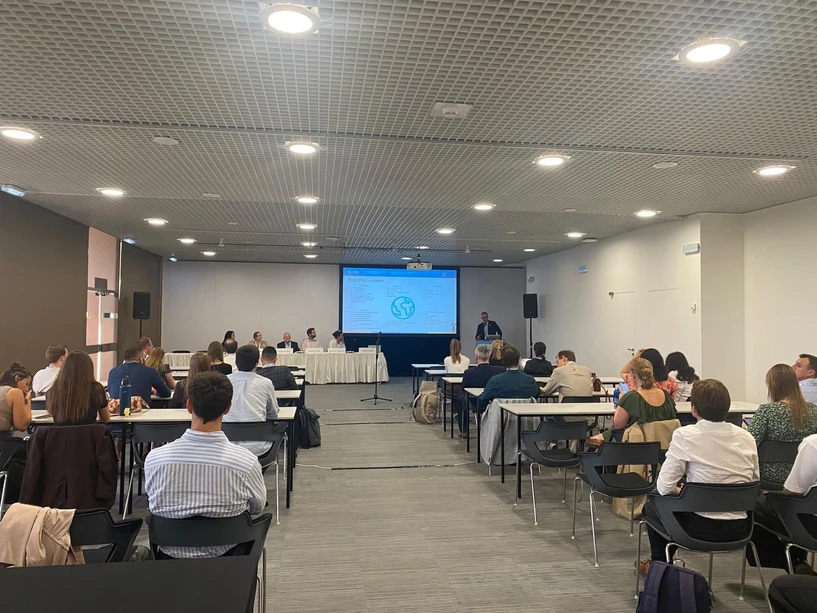 ISC: ISC 2026 - Day 2: Industry Session: Activity: Job Fair (Post-PhD careers)