Mo, 14.9.2026 | Original article from: International Symposium on Chromatography (ISC)
ISC 2026 Day 4 featured oligonucleotides, HRMS, sample preparation, electromigration, novel hyphenated techniques, publishing, sustainability, tutorials, and the Gala Dinner.ISC 2026 - Day 4

International Symposium on Chromatography: ISC 2026 - Day 4: Koen Sandra, Davy Guillarme and Lucie Nováková
Wednesday, September 9, kept ISC 2026 moving at full pace, with the scientific program spanning separation mechanisms, biopharmaceutical analysis, high-resolution mass spectrometry, sample preparation, and multidimensional techniques. The morning opened with parallel sessions on topics ranging from slalom chromatography for nucleic acids and next-generation oligonucleotide separations to proteomics, LC-HRMS screening, greener separation modes, and advanced approaches for large biomolecules. During the midday break, participants returned to the exhibition and poster sessions, while a special Publishing Workshop offered practical advice from journal editors on manuscript preparation, peer review, open access, and the responsible use of artificial intelligence in scientific publishing. The afternoon shifted toward electromigration techniques, therapeutic oligonucleotides, nucleic acid analysis, and novel hyphenated methods, followed by tutorial sessions covering method development, protein and peptide analysis, and ion mobility coupled with high-resolution MS. Sustainability in separation science was also placed firmly on the agenda during a dedicated discussion session. After another intensive day of science, the conference community moved from the Prague Congress Centre to the National House Vinohrady for the ISC Gala Dinner, bringing Wednesday to a close with an evening of networking and celebration.
Wednesday, September 9th
08:30–10:00 FUN 07: Separation Mechanisms and Structural Effects
Chairs
- Bob W.J. Pirok, Netherlands
- Sam Wouters, Belgium
08:30 - 09:00 Opportunities and possibilities of slalom chromatography in cell and gene therapy
- Fabrice Gritti, Waters Corporation, Core Research, Milford, USA.
Slalom chromatography (SC) is a re‑emerging separation technique that enables high‑resolution analysis of large biopolymers. Originally introduced in the late 1980s, SC was set aside for decades due to limited mechanistic understanding and the absence of suitable column technologies. Its recent revitalization, enabled by bio‑inert UHPLC systems and columns capable of operating at ultra‑high pressures, now allows efficient separation of long DNA and RNA fragments up to 30 kbp, culminating in the commercial release of the first SC column in 2025.
This presentation first outlines the core mechanism driving SC separation and performance: the slow coil‑to‑stretch transition of large nucleic acids under combined extensional and shear flow within the interparticle volume of UHPLC packed beds. We then demonstrate the robustness of SC separations, highlighting the reproducibility of retention and efficiency, and introduce a practical framework for rapid method development across flow rate, buffer concentration, and temperature conditions.
Applications directly relevant to cell and gene therapy manufacturing are presented and benchmarked against traditional gel electrophoresis. These include DNA restriction mapping, plasmid purity assessment with selective enrichment of the supercoiled isoform, evaluation of plasmid linearization efficiency, collection and preparation of the linearized plasmid up to 100% yield and 97% purity levels, and detection of dsRNA impurities generated during in vitro transcription of mRNA vaccines. Additional performance attributes of the new SC stationary phases are highlighted, along with examples demonstrating the extension of SC to synthetic or chemically modified biopolymers such as high‑molecular‑weight hydroxyethyl cellulose. Finally, we show that SC resolution can be improved by approximately 15% by operating the long UHPLC column under high vacuum (10-5 mPa), which reduces temperature inhomogeneity across the column diameter and enhances overall resolving power.
Overall, this work positions SC as a fast, powerful, economic, and highly informative analytical tool for nucleic acid characterization within modern plasmid and mRNA production workflows.
 ISC: ISC 2026 - Day 4: Fabrice Gritti, Waters Corporation, Core Research, Milford, USA.
9:00 - 9:20 From peak shape distortions to integration errors: Mechanisms, limits of manual integration, and a new path for QC
- Torgny Fornstedt, Karlstad University, Department of Engineering and Chemical Sciences, Karlstad, Sweden.
Chromatographic peaks are often assumed to be symmetric and well described by simple models. In practice, however, peak shape distortions are common and arise from a limited set of underlying mechanisms. In the first part of this lecture, these origins are outlined, including heterogeneous adsorption thermodynamics, nonlinear adsorption isotherms, and mass transfer kinetics. Together with system-related contributions, these effects give rise to tailing, fronting, and complex peak shapes.
In the second part, the implications of such distortions for quantitative chromatography are addressed, focusing on the integration of overlapping peaks. Despite well-known limitations, classical rule-based integration methods remain widely used in chromatographic data systems and are often supplemented by manual intervention in regulated environments.
A systematic evaluation of commonly used integration methods is presented, based on more than 120,000 simulated chromatograms generated using Gaussian and exponentially modified Gaussian peak models across a broad design space. Seven widely applied approaches—including valley-to-valley, perpendicular drop, and skimming methods—are critically assessed. In addition, a more robust alternative—the peak height–area method—is evaluated. This approach can be readily implemented and shows improved performance under certain conditions.
The results demonstrate that none of the traditional methods provides consistently reliable quantification under realistic chromatographic conditions. Integration errors depend strongly on peak shape, overlap geometry, and relative peak size, and may change abruptly with small variations in chromatographic conditions. These limitations are particularly pronounced for minor peaks eluting on the shoulder or tail of a dominant component, such as rider peaks on an overloaded API peak in pharmaceutical QC. Experimental examples confirm that manual integration can substantially misestimate impurity levels.
Finally, ongoing work towards a new algorithmic framework for peak integration is outlined. This approach aims to reduce user dependency and enable reliable quantification under complex chromatographic conditions relevant to quality control.
9:20 - 9:40 Effect of buffer salt and pH in mobile phases, column nature, and residual silanol on retention and selectivity on HILIC characterization scheme
- Tohru Ikegami, Kyoto Institute of Technology, Faculty of Molecular Chemistry and Engineering, Kyoto, Japan.
Hydrophilic Interaction Liquid Chromatography (HILIC) has been focusing attention of researchers that study highly polar and hydrophilic compounds, since they play important roles in life system. The separation mode is known to include complex mechanism based on hydrophilic partition and adsorption (in many cases, related to ionic interaction). To characterize similarity/difference in terms of hydrophilicity, structural selectivity, and ion-exchanging nature, we designed a test scheme; [1] Y. Kawachi et al., J. Chromatogr. A 1218 (2011) 5903-5919. It was further improved to discuss on hydrophilicity and ion-exchange by each HILIC column using 2D mapping based on principal component analysis of a data set of structural selectivity; [2] T. Ikegami et al., J. Chromatogr. A 1638 (2021) 461850. Now many researchers employ the test scheme [1], however, with several modification in the component of the mobile phase in some cases.
Here, we tried to evaluate the effect of buffer salt, and pH in mobile phase, by using six different aqueous solution with pH range from 3.6 to 7.2. To cover this pH region, buffer solutions containing ammonium formate (AF), ammonium acetate (AA), and ethylmorpholine acetate (EMA) were employed. Volume fraction of acetonitrile (AN) in the mobile phase was kept at 90% (v/v), and the pH in the buffer was controlled by mixing three aqueous solutions by maintaining the volume ratio constant. Eleven columns possessing different nature (bare silica, diol, amine, zwitterionic, tetrazole, and mixed mode) in term of functional group were used.
As reported in previous studies [1, 2], retention of uridine was found to be stable at buffer concentration at 2 mM (in total in the mobile phase) among these different buffers, however, similar pH conditions supplied by different buffer systems (pH 4.5 by AF and pH 4.7 by AA, pH 6.8 by AA and pH 7.2 by EMA) gave significantly different results at 10 mM (in total in the mobile phase). Generally, higher ionic strength resulted in greater retention of uridine, by implying better hydrophilicity.
Selectivity for OH and CH2 groups, and selectivity based on structural differences were almost constant among different buffer systems to show the robustness of the present test scheme, while selectivity related to ion-exchange nature was significantly affected by the nature of the corresponding buffer. To discuss column characteristics widely, it was shown to be important to use constant conditions for pH and ionic strength in the mobile phase.
 ISC: ISC 2026 - Day 4: Tohru Ikegami, Kyoto Institute of Technology, Faculty of Molecular Chemistry and Engineering, Kyoto, Japan.
9:40 - 10:00 Separation of structurally related bioactive phenolic acids from blackcurrant leaf extract using human serum albumin biomimetic chromatography
- Vladimir Vlatković, Institute of Physics, Laboratory of Biomimetics, Belgrade, Serbia.
Biomimetic chromatography is a high-performance liquid chromatography that utilizes biomolecule-based stationary phases and organic mobile phases at a physiological pH value for the simulation of conditions present in the human body [1].
A biomimetic chromatographic system allows the establishment of a distribution process that bears similarities with biological distribution, namely occurring on a large interface, and having shape selectivity. These properties enable the separation of very similar compounds (i.e., structurally related), revealing their different binding characteristics.
The goal of this study was to test the separation selectivity of the biomimetic human serum albumin (HSA) chromatographic system for the two structurally related phenolic compounds (chlorogenic acid (CGA) and isochlorogenic acid A (ICGA-A)), potential antidiabetic phytochemicals from blackcurrant leaf extract. The sample was obtained with ultrasound-assisted extraction using ethanol as a solvent. The experiment was carried out using an HPLC system equipped with a biomimetic HSA column and a UV detector. The mobile phase was composed of an isopropanol/phosphate buffer mixture.
The chromatographic separation of CGA and ICGA-A in the biomimetic HSA system was tested as a measure of selectivity, calculated as a ratio of retention factors (α = kICGA-A/kCGA). The influence of three factors on selectivity was investigated – phosphate buffer molarity (x1), isopropanol ratio (x2) and temperature (x3). The response variable describing the system’s ability to differentiate between two peaks was termed α. It was discovered that the biomimetic HSA separation can be best explained by a quadratic model (R2adj = 0.98; R2pred = 0.75).
Amongst the investigated factors, the dominant effect on separation is exerted by the phosphate buffer molarity quadratic term (x12), which is in accordance with the phosphate buffer strength’s role in governing ligand-HSA binding stability and therefore retention duration. Higher molarity shortens retention, disrupting the electrostatic interactions that are more pronounced in ICGA-A-HSA binding than the CGA-HSA binding, leading to a drop in selectivity. This effect is especially noted when the experimentally set buffer molarity approaches the upper limit.
The results signify that the biomimetic HSA chromatography, in concurrence with the developed quadratic model, can offer a dependable separation approach for structurally related phenolic esters of quinic and caffeic acid (CGA and ICGA-A). The proven separation potential of HSA chromatography can be further widened to uncover the interaction mechanism differences of related compounds.
08:30–10:00 BIO 07: (Bio)Pharmaceuticals
Chairs
- Frederic Lynen, Belgium
- Hailin Wang, China
08:30 - 09:00 Next-generation chromatographic approaches for oligonucleotide analysis
- Davy Guillarme, University of Geneva, School of pharmaceutical sciences, Geneva, Switzerland.
The emergence of innovative DNA- and RNA-based therapies shows great promise for the treatment of genetic diseases. Among these approaches, therapeutic oligonucleotides (ONs) have achieved remarkable success due to their high target specificity and improved pharmacokinetic properties. ONs are substantially larger than small molecules (5-15 kDa), contain numerous closely related impurities, and are often extensively chemically modified. Moreover, they are difficult (if not impossible) to analyze under conventional reversed-phase liquid chromatography (RPLC) conditions. ONs therefore represent a distinct class of pharmaceutical compounds that require specific analytical considerations.
To ensure the safety and efficacy of these novel therapeutics, thorough characterization is essential and demands robust, fit-for-purpose analytical methods. Ion pairing reversed-phase liquid chromatography (IP-RPLC) remains the reference technique for oligonucleotide analysis, but alternative chromatographic modes are also increasingly gaining attention.
The objective of this presentation is to share our latest findings and perspectives on innovative chromatographic strategies for ON analysis. First, to establish a solid foundation for designing, optimizing, and interpreting hydrophilic interaction chromatography (HILIC) methods for ONs, we investigated the underlying retention mechanisms using a targeted design of experiments approach and a diverse panel of samples. This led to the development of a descriptor-based retention model, enabling a better understanding of the respective contributions of hydrogen bonding, dipole-dipole interactions, solvophobic effects, and ionic interactions.
We also explored the behavior of ONs under pressure-enhanced liquid chromatography (PE-LC) conditions in both HILIC and IP-RPLC. Interestingly, increasing pressure resulted in enhanced retention in IP-RPLC, whereas a decrease in retention was observed in HILIC, highlighting distinct mechanistic differences between the two modes.
In addition, we evaluated the potential and limitations of three chromatographic modes that have been scarcely applied to ON analysis, namely phenyl-based RPLC, size-exclusion chromatography (SEC), and bridging ion separation technique (BIST). Furthermore, we recently developed a fully automated screening platform for IP-RPLC of ONs, involving multiple stationary phases, organic modifiers, and ion pairing reagents. This strategy was successfully applied to several case studies and significantly accelerated the method development process.
Finally, we assessed the orthogonality and compatibility of various chromatographic modes and investigated their implementation within a two-dimensional liquid chromatography (2D-LC) workflow, for comprehensive impurity profiling of ONs.
 ISC: ISC 2026 - Day 4: Davy Guillarme, University of Geneva, School of pharmaceutical sciences, Geneva, Switzerland.
9:00 - 9:20 Towards a smart toolbox for PROTACs separations: Learnings from pharmaceutical development experience
- Astrid Buica, AstraZeneca, BioPharma R&D, Gothenburg, Sweden.
Proteolysis-targeting chimeras (PROTACs) have emerged as a novel approach for targeted protein degradation, offering a unique ability to bind to protein surfaces that are inaccessible to traditional drug modalities. Currently they represent a rapidly expanding therapeutic modality that come with unique separation challenges. These heterobifunctional molecules typically exceed 800 Da and their structure comprises a protein-of-interest ligand (POI), linker, and E3 ligase ligand. While processing over 1700 PROTAC compounds in our lab during pharmaceutical development, we identified recurring purification obstacles derived from the complex and diverse chemical structures. The issues include complex dissolution behaviour, chemical instabilities (particularly in Cereblon-binder E3 ligands), and complex chromatographic behaviour. The current work will show findings from both systematic investigations and accumulated practical knowledge in the process of establishing evidence-based separation strategies for these challenging compounds.
Our lab’s activities cover analytical work and preparative purification using liquid and supercritical fluid chromatography. Within these techniques, different modes were explored (normal and reversed-phase, HILIC, polar organic, chiral). Flexibility in execution and fundamental understanding of various chromatographic techniques proved essential when learning how to solve the issues PROTACs present. In addition to this vast knowledge accumulated during projects over years, systematic studies provided answers to targeted questions. For example, a methodical solubility screening of over 50 solvents and solvent combinations compatible with chromatography highlighted extremely poor dissolution in conventional solvents, with some improved results in polar aprotic mixtures. A study on 11 chiral PROTACs covered 12 stationary phases and several solvent systems in both LC and SFC; the resulting more than 1500 injections demonstrated NP-LC superiority over SFC in number of successful separations, but to the detriment of time. Another study, this time on 63 achiral PROTACs, helped us map SFC retention behaviour on 15 stationary phases, with practical outcomes on both top column selection and the possibility of predicting retention based on molecular features.
From our collective experience, we present a decision-tree workflow integrating empirical findings with systematic study results. This "smart toolbox" approach prioritizes technique selection based on structural features and stability aspects, enabling efficient method development while preserving molecular integrity. Our learnings provide practical guidance for laboratories encountering similar PROTAC challenges in pharmaceutical development and highlight the importance of flexibility and pragmatism in practical implementation.
9:20 - 9:40 Detailed analytical characterization of lipids in mRNA lipid nanoparticles using advanced chromatographic strategies
- Jonathan Maurer, Institute of Pharmaceutical Sciences of Western Switzerland, University of Geneva, Geneva, Switzerland.
The 5′ cap is a critical quality attribute of mRNA therapeutics and vaccines, directly influencing transcript stability, translation efficiency, and immunogenicity. However, its characterization commonly relies on LC-MS workflows that require specialized instrumentation, technical expertise, and MS-compatible mobile phases, limiting their implementation in routine analytical and quality-control environments.
Here, we present a simple and robust ion-pair reversed-phase liquid chromatography method with UV detection (IP-RPLC-UV) for the relative quantification of mRNA capping species. Following oligo-hybridization, RNase H digestion selectively releases the 5′ end of the mRNA, enabling chromatographic separation of uncapped, Cap 0, Cap G, and Cap 1 species, together with non-templated +G variants.
A systematic investigation of ion-pairing reagents showed that moderately hydrophobic butylammonium acetate provided the best compromise between retention and selectivity, allowing species differing by a single methyl group to be resolved. Chromatographic conditions were subsequently optimized and challenged using design-of-experiments approaches, resulting in a robust 20-min method suitable for routine implementation.
The method showed excellent repeatability and intermediate precision, and results obtained for Cap 1 and uncapped species were highly consistent with those generated using a reference UHPLC-MS method. Importantly, the workflow avoids both mass spectrometry and fluorinated ion-pairing systems while retaining the analytical performance required for fit-for-purpose capping assessment.
This work demonstrates how fundamental chromatographic selectivity can be leveraged to simplify a traditionally MS-intensive analysis and provides a practical route toward broader implementation of mRNA capping control in routine analytical laboratories.
9:40 - 10:00 Comprehensive LC×LC with skin-mimicking stationary phases for dermal permeability assessment of pharmaceutical and toxicologically relevant compounds
- Giacomo Russo, Edinburgh Napier University, Centre for Biomedicine and Global Health- School of Applied Sciences, Edinburgh, United Kingdom.
A comprehensive two-dimensional liquid chromatography (LC×LC) platform was developed to investigate dermal permeability through a chromatographic system designed to mimic the layered architecture of human skin. The first separation dimension employed a ceramide-like stationary phase to simulate the lipid-rich epidermal barrier, while the second dimension utilized an immobilized artificial membrane (IAM) phase to reproduce interactions occurring within the dermal compartment. Experimental conditions were optimized to approximate the physicochemical microenvironment encountered in vivo.
The method was evaluated using a dataset of 43 pharmaceutical and cosmetic compounds with experimentally reported transdermal permeability coefficients (log Kp). The LC×LC system achieved effective separation across the compound set and generated retention profiles consistent with known dermal permeability trends. Specific chromatographic regions showed correlation with transdermal passage properties, suggesting that retention behavior may provide predictive insight into skin permeation.
To complement chromatographic profiling, mass diffusion experiments were performed using Permeapad® 96-well plates, with analyte quantification carried out by liquid chromatography–mass spectrometry under MS-compatible conditions on a narrow-bore column in reversed phase. The experimentally determined permeability values were compared with both ex vivo literature data and chromatographic retention parameters.
The integration of LC×LC retention profiling with in vitro diffusion measurements provides a strategic analytical framework for evaluating dermal absorption of new chemical entities while supporting ethically compliant and environmentally sustainable testing strategies. The potential applicability of the platform was further explored using selected environmental contaminants, and preliminary results suggest that chromatographic indices may also reflect toxicological endpoints such as cell viability, highlighting the promise of this approach for the future assessment of dermal exposure to compounds of toxicological concern.
08:30–10:00 HYP 07: Separation Coupled with High-Resolution MS
Chairs
- John McLean, USA
- Robert Jirásko, Czech Republic
08:30 - 09:00 Separation with High-Resolution MS for Proteomics
- Roman Zubarev, Karolinska Institutet, MBB, Solna, Sweden.
Here we provide a review of recent topics of mutual interest for proteomics and separation communities. Proteomics was born as a gel-based technique, while the far more efficient modern shotgun proteomics relies on liquid chromatography. However, in this transition the important information on molecular weight (MW) and isoelectric point (pI) of proteins was lost. Here we demonstrate how this information can partially be recovered while preserving the proteome-wide nature of shotgun analysis [1]. Also, we show that the widely adopted paradigm "one-peptide - one chromatographic peak" is an oversimplification due to the possibility of peptide isomerisation on the chromatographic column, which complicates label-free quantification. Another relevant aspect is the aggregation of peptide data into quantitative protein data, which requires taking into account the position and shape of peptide's chromatographic peak. In-solution separation by pI of peptides and proteins online with mass spectrometry analysis [2,3] is still an exciting possibility should technical challenges be overcome. Finally, we will consider a far-reaching question whether proteomics analysis can be done using chromatography alone.
 ISC: ISC 2026 - Day 4: Roman Zubarev, Karolinska Institutet, MBB, Solna, Sweden.
09:00 - 09:20 Multidimensional mass spectrometric and liquid separation approaches for the general screening of low molecular weight compounds and lipids
- Gérard Hopfgartner, University of Geneva, CHIAM, Geneva 4, Switzerland.
Since decades mass spectrometry has been largely applied for the general screening (GS) and identification of low molecular weight compounds. Due to the very large chemical space and the presence of many isomeric compounds, GS remains a challenging task in particular with LC-MS/MS. Elemental formula can be proposed based on accurate mass measurements and tandem mass spectrometry with Data Independent Acquisition, such SWATH or scanning SWATH generate structural information for almost any precursor, allowing the use of library for compound identification. LCxLC, SFC or Ion Mobility Spectrometry (IMS) improve isomeric separation and are key elements in various workflows for isomer separation. High quality libraries and deconvolution tools are mandatory to avoid false positives. Alternative fragmentation techniques such as electron activated dissociation (EAD) and ultraviolet photodissociation (UVPD) or ionization techniques such as Atmospheric Pressure Photoionization (APPI) offer additional structural information in particular for lipid double bond location.
The open port probe (OPP) has shown to be an elegant and efficient alternative to flow injection analysis or the direct analysis of solids, either with ESI, APCI or APPI. Combining OPP with Acoustic Ejection Mass Spectrometry (AEMS), becomes an ultrahigh-throughput approach, allowing the analysis of hundreds of samples in less than a few minutes with very low sample consumption and minimizes ion suppression. To overcome the lack of chromatography, Differential Mobility Spectrometry can provide additional separation selectivity at an MS time scale of a few milliseconds.
Limitations and benefits of various multidimensional workflows will be presented for the analysis of drugs, metabolites and lipids in biological samples.
 ISC: ISC 2026 - Day 4: Gérard Hopfgartner, University of Geneva, CHIAM, Geneva 4, Switzerland.
9:20 - 9:40 Online chemical labeling for functional group discovery in complex mixtures
- Christian Geibel, University of Tuebingen, Department of Microbial Bioactive Compounds- Interfaculty Institute of Microbiology and Infection Medicine IMIT, Tuebingen, Germany.
 ISC: ISC 2026 - Day 4: Christian Geibel, University of Tuebingen, Department of Microbial Bioactive Compounds- Interfaculty Institute of Microbiology and Infection Medicine IMIT, Tuebingen, Germany.
9:40 - 11:00 Development of an LC-HRMS based workflow for characterizing leachates from polymer auxiliary components in fuel cells
- Louis Genain, Laboratory of Analytical and Bioanalytical Sciences and Miniaturization- UMR 8231 Chemistry- Biology and Innovation- CNRS, ESPCI Paris - PSL, Paris, France.
The European Green Deal is a driving force towards the decarbonization of the automotive sector. Within this context, Renault Group investigates the potential of fuel cells as an innovative power source to replace diesel engines. These technologies require robust and chemically stable materials to ensure long‑term performance. A Fuel cell consists of electrochemical cells which provides energy to a vehicle and auxiliary components, including a cooling system and an air and hydrogen distribution system. Under fuel‑cell‑relevant conditions combining high humidity and temperature, these polymers can release organic and inorganic compounds, a process known as leaching, that may alter the fuel cell’s efficiency.
Therefore, different polymers were subjected to leaching experiments either in water or in a water-glycol mixture (cooling fluid) at 90°C for 1000h.
An integrated multi‑technique analytical strategy was developed to achieve a comprehensive characterization of the resulting leachates, combining targeted elemental and ionic analyses with non‑targeted molecular screening. Inductively coupled plasma mass spectrometry (ICP‑MS) and ion chromatography (IC) were implemented for quantitative determination of metal and ionic contaminants, while liquid chromatography coupled to high‑resolution mass spectrometry (LC–HRMS) enabled comprehensive profiling of organic leachates.
The LC–HRMS (Orbitrap, Exactive Plus) method involved weak anion- and cation-exchange mixed-mode stationary phases operated under two complementary gradients: Hydrophilic‑interaction (HILIC) type and reversed‑phase (RP). Combining ion‑exchange, hydrophobic, and hydrophilic interactions within a single workflow allows for relevant separation of compounds with broad polarity and charge diversity. Data were acquired with simultaneous positive and negative ionization in non‑targeted full‑scan mode to detect the widest possible range of compounds. The data were treated using metabolomics‑inspired tools involving feature extraction and alignment with MZmine, systematic blank filtering, and statistical treatments of material leachates using R. The optimized LC–HRMS workflow provides reliable retention behavior and accurate mass data. Detected compounds include additives, degradation intermediates, and oligomeric fragments consistent with polymer formulation and ageing mechanisms.
Combined with targeted IC and ICP‑MS results, this strategy provided a comprehensive analytical framework to evaluate polymer stability and leaching in hydrogen fuel cell systems. The integration of mixed‑mode chromatography with Orbitrap HRMS demonstrates the potential of advanced LC based design for non‑targeted screening of complex leachates, contributing to improved material selection and enhanced durability of future fuel cell systems.
10:00–10:30 Coffee Break
10:30–12:00 FUN 08: Separation Modes
Chair
- Fabrice Gritti, USA
- Dwight Stoll, USA
10:30 - 11:00 The power of modeling to understand retention and selectivity in HPLC
- Attila Felinger, University of Pécs, Analytical and Environmental Chemistrty, Pécs, Hungary.
Many drugs are chiral, and their enantiomers often exhibit distinct pharmacological activities. Consequently, the accurate determination of enantiomerization kinetics during chromatographic separations is of considerable importance. Batman peaks—plateau regions that arise between partially resolved enantiomer peaks—contain valuable information on on-column interconversion dynamics.
In this study, we developed a comprehensive framework that combines the unified equation with stochastic modeling to extract kinetic and thermodynamic parameters from chromatographic data. The workflow incorporates robust optimization algorithms, enhancing flexibility, accelerating parameter estimation, and improving accuracy compared with conventional manual approaches. Importantly, the stochastic model remained applicable even under extreme conditions where chromatographic peaks coalesced. Thermodynamic parameters were determined through linearized Eyring analysis.
In addition, overloading experiments were analyzed using a competitive bi-Langmuir isotherm to estimate site ratios and adsorption affinities. These parameters were subsequently incorporated into stochastic peak-shape analysis to determine forward and reverse enantiomerization rate constants across a range of eluents, temperatures, and flow rates. To separate the apparent interconversion rates into mobile- and stationary-phase contributions, we developed a mixed-effects model based on capacity-factor linearization and applied empirical Bayesian inference for parameter estimation.
The proposed workflow provides a robust, flexible, and customizable platform for the determination of enantiomerization kinetics from Batman peaks. By integrating the unified equation, stochastic modeling, and advanced statistical analysis, it yields reliable kinetic and thermodynamic parameters across diverse chromatographic conditions. The framework is readily adaptable to the routine investigation of dynamic enantiomerization processes in pharmaceutical and analytical chemistry.
 ISC: ISC 2026 - Day 4: Attila Felinger, University of Pécs, Analytical and Environmental Chemistrty, Pécs, Hungary.
11:00 - 11:20 Investigation of the applicability of dimethyl carbonate as a green solvent in liquid chromatography
- Rebecca Gibkes, Vrije Universiteit Brussel, Chemical Engineering, Brussel, Belgium.
High-performance liquid chromatography (HPLC) is one of the most widely used analytical techniques for the identification and quantification of components in complex mixtures. However, its reliance on organic solvents results in a substantial environmental impact, with an estimated annual global solvent consumption of approximately 150,000 metric tons for reversed-phase liquid chromatography (RPLC) alone [1]. The most frequently used organic modifier in RPLC is acetonitrile, which poses environmental and health concerns. One strategy to reduce the environmental impact of HPLC is therefore to replace conventional organic modifiers with greener alternatives. In recent years, ethanol has been widely investigated as a greener co-solvent due to its low toxicity, biodegradability, and potential for production from renewable resources. However, its relatively high viscosity affects mass-transfer kinetics, leads to increased backpressure and consequently limits the achievable analysis speed and chromatographic efficiency.
Recently, dimethyl carbonate (DMC) has emerged as a potential alternative organic modifier due to its relatively low viscosity, green character, and high elution strength [2]. Nevertheless, its limited miscibility with water restricts its direct application in LC. One possible approach to overcome this limitation is the use of ternary solvent systems in which DMC is combined with conventional organic modifiers to improve water miscibility while maintaining favourable chromatographic properties and enabling greener separation methods.
Therefore, this study investigates the possibilities and limitations of using DMC as a greener co-solvent in LC by examining the chromatographic properties of these ternary solvent systems, consisting of water, DMC, and different organic co-solvents (namely acetonitrile, methanol, ethanol, and isopropanol). This includes a systematic investigation of miscibility behaviour, viscosity measurements across the full miscibility region, and chromatographic retention behaviour to determine solvent strength and elution characteristics. Moreover, the obtained physicochemical and chromatographic data are combined to assess the influence of these ternary solvent systems on kinetic separation performance, as well as to evaluate the potential reduction in the use of environmentally harmful solvents, and thereby overall improvement in method greenness.
11:20 - 11:40 A flexible gradient score approach for targeted LC–MS/MS method optimization
- Michal Kašpar, University of Pardubice, Department of Analytical Chemistry, Pardubice, Czech Republic.
Development of robust targeted LC–MS/MS methods for large groups of analytes is often underestimated and remains challenging by the need to balance chromatographic performance with MS/MS acquisition requirements. In this work, we further develop the Gradient Score (GS) concept as a single-value criterion for method evaluation and extend it from a fixed scoring scheme to a flexible optimization framework. The study was carried out using more than 60 phenolic standards analyzed by reversed-phase liquid chromatography coupled with triple-quadrupole tandem mass spectrometry.
The GS concept was originally introduced in our previous study focused on gradient optimization for the characterization of phenolic compounds in coffee beans [1]. In that work, the score was defined by a fixed set of three parameters: interquartile range of the retention times, overlap of MRM acquisition windows, and gradient time. In the present contribution, GS is redefined as a configurable composite criterion built from three descriptors selected according to the particular optimization goal. In addition to the previously considered parameters, we proposed new metrics describing the selectivity of critical analyte pairs, separation efficiency, and the distribution of retention times across the chromatogram. All descriptors were transformed using min–max normalization and merged into a unified score, allowing objective comparison and ranking of tested conditions.
This strategy was applied to the systematic evaluation of stationary phases and gradient programs, including conventional linear gradients as well as nonlinear gradient profiles. The flexible GS framework provided a practical and consistent tool for distinguishing between candidate conditions and selecting those that best satisfied the chosen performance criteria. Overall, the configurable GS concept offers a practical and transferable strategy for the rational optimization of targeted LC–MS/MS methods.
 ISC: ISC 2026 - Day 4: Michal Kašpar, University of Pardubice, Department of Analytical Chemistry, Pardubice, Czech Republic.
11:40 - 12:00 Perfusion chromatography enables highly efficient separation of oligonucleotide biotherapeutics at ultra-high velocities
- Daniel Meston, Agilent Technologies, ACG Chem and Supplies, Church Stretton, United Kingdom
The growing structural complexity of modern biotherapeutics, including proteins, peptides and oligonucleotides, has increased the demand for chromatographic performance that can resolve chemically similar impurities from the API. Large biomolecules diffuse slowly, and this is especially true for oligonucleotides [1]. As a result, chromatographic efficiency is generally lower and declines sharply at higher linear velocities because of resistance to mass transfer. Even relatively small oligonucleotides, such as 25‑mers, often show poor efficiency. This behaviour is thought to arise from restricted diffusion caused by their large hydrodynamic diameters. Increasing the pore size of the chromatographic support has been explored as a way to mitigate this loss in performance.
Perfusion chromatography is defined as a separation mode in which convective flow through large pore channels divides the intra‑particle space into regions with very short diffusion paths. This convective flow also actively flushes analytes through the particle. As flow rate increases, the extent of this flushing increases, which further compensates for the contribution of the C‑term. In contrast, conventional particles contain stagnant mobile phase and rely on slow diffusion. Subsequently, separation efficiency decreases significantly once the flow velocity exceeds the optimum.
Herein, we demonstrate that 4000 Å material containing large flow‑through pores is capable of perfusion chromatography. Van Deemter measurements display a stable plateau in the C‑term region even at substantially elevated linear velocities above 3000 cm/h, which indicates that convective flow compensates for mass‑transfer limitations. Consequently, the detrimental C‑term behaviour typically observed with smaller‑pore materials for biomolecules is absent. We demonstrate substantial gains in column performance for several oligonucleotide biotherapeutics, spanning a wide range of sizes and structures, even at very high linear velocities exceeding 2500 cm/h.
10:30–12:00 BIO 08: Sample Preparation and Automation
Chair
- Adam T. Woolley, USA
- Janusz Pawliszyn, Canada
10:30 - 11:00 Optimising the extraction process of oligonucleotides by SPE
- Tony Edge, The Chromatographic Society, Separations, Salisbury, United Kingdom.
The use of oligonucleotides as therapeutics is becoming more pronounced. However, this presents a significant challenge as oligonucleotides are very complex molecules and the resulting chromatography and extraction have to address this level of complexity. An understanding of the extraction process and how to optimise it is critical, as is using the correct type of extraction media. This paper will examine each stage of the extraction and demonstrates the use of a novel composited silica based SPE media to improve the robustness of the final assay. It will look at not only analyte recovery but also matrix removal
An LC-MS method was developed for a test oligonucleotide, this was then used to analyse a series of samples derived from the loading of an aqueous solution containing an oligonucleotide. Each stage of the solid phase extraction protocol was investigated to assess the impact that it had on the recovery of the overall assay. In particular the use of ion pairing and organic solvents was investigated, as well as the use of multiple elutions to optimise the extraction process when using an anion exchange SPE media.
The predicted log D of the oligonucleotide was highly negative across the entire pH range suggesting solubility in an organic solvent would be problematic. It was determined that the oligonucleotides were not very soluble in methanol, which led to an interesting observation on the ion exchange media that the optimal elution conditions were water, modified by an ion pairing reagent. Experimentally, the use of multiple elutions and the optimisation of the total elution volume was also deemed to be an important experimental parameter to optimise, and there is data to support this statement.
During the method development stage a novel composite SPE media was employed and this was found to have much better recovery and useability when applied to the analysis of biological samples, with recoveries greater than 80% for the composite material compared to 60% for loose packed media. Traditional loose packed SPE media was shown to have issues with reproducibility, in particular, where individual samples would fail, jeopardising the whole batch of samples.
The work presented examines each stage of the SPE extraction of oligonucleotides to develop an understanding of the impact of critical parameters on analyte recovery. Optimisation of elution solvent, ion pairing reagent and elution volume were found to be critical parts of the protocol to optimise.
 ISC: ISC 2026 - Day 4: Tony Edge, The Chromatographic Society, Separations, Salisbury, United Kingdom.
11:00 - 11:20 The microbiome as a source of information about environmental and biological samples
- Boguslaw Buszewski, Kujawsko-Pomorskie Centrum Naukowo-Technologiczne im. prof. Jana Czochralskiego, Prezes Zarządu, Toruń, Poland.
Microbiome analysis is of paramount importance, not only in clinical but also environmental samples. Monitoring and quality control of the ecosystem also relates to the assessment and quality of food products. Identification of pathogens in biological samples allows for rapid diagnosis and, consequently, the selection of appropriate therapy for the patient, as well as counteracting the negative effects of raw material and product quality. Furthermore, detection and characterization of environmental and clinical microbiomes based on various matrices is crucial to identifying their secondary metabolites, which can also potentially serve as antimicrobial agents. An important aspect involves hard-to-cultivate bacteria, which may represent a source of novel therapeutics. Their cultivation from environmental matrices, such as soil, is enabled by the use of the iChip (isolation chip) technology. This approach allows bacterial growth in conditions closely resembling their natural environment. In this context, imaging and separation techniques, particularly electromigration, i.e., capillary zone electrophoresis (CZE) and/or field flow fractionation (FFF), play a key role in microbiome analysis. These techniques, in addition to separating and fractionating of pathogen mixtures, enable the concentration and pre-purification of samples before their final analysis using spectral techniques. It is also possible to determine the charge on the microbiome surface and the functional groups responsible for the separation process (mechanism) through specific and non-specific interactions. Laser desorption-ionization (LDI) spectrometry in the form of MALDI-TOF/MS was used to identify (detect) individual microbiomes isolated from honey samples from various continents and countries. The use of microscopic imaging techniques for the characterization of honey plant pollen and the creation of an AI-based database complemented the workshop and measurement instrumentation. Combining separation and/or electromigration methods with spectral detection not only facilitates microorganism identification but also provides insight into the structure and type of the microbiome. Moreover, the use of this combination can provide interesting information on the authenticity and quality of selected raw materials and natural products, where the microbiome can be a determinant of quality and authenticity. These techniques provide a comprehensive approach to characterizing diverse microbiomes, and the obtained data allowed us to determine the botanical and geographic origin of the tested samples. This is also important in clinical diagnostics, especially in the treatment of difficult-to-heal wounds, as well as in the selection of appropriate, dedicated, and therefore effective therapeutic preparations.
11:20 - 11:40 Design of a portable sensor event-driven open-column chromatogrphic sample preparation system
- Jong-Kwang Lee, Korea Atomic Energy Research Institute, Advanced Fuel Cycle Technology Division, Daejeon, Korea Republic
Sample preparation remains one of the most critical yet labor-intensive and error-prone steps in analytical chemistry. Column chromatography–based chemical preconcentration, separation, and purification methods are widely used for the analysis of radiological, biological, and geological samples, as well as for radioisotope production. Conventional column chromatographic procedures typically involve four sequential steps: conditioning, sample loading, washing, and elution. Automation of these processes requires precise control of sample or reagent delivery, regulation of the mobile-phase flow rate, and reliable fractionated collection of eluents, while minimizing carryover and cross-contamination. Although disposable fluidic components are the most effective means of preventing cross-contamination, their implementation in conventional pump-driven dynamic flow systems used in flow injection analysis (FIA) and sequential injection analysis (SIA) is impractical because of their complex fluidic architectures.
In our previous work, we developed a sensor event-driven automated open-column chromatographic sample preparation system, termed OpenPrep. The system employs a valveless sample flow architecture combined with a compact robotic liquid handler and a motion stage–based fraction collector, simplifying the flow path into easily replaceable disposable components and enabling cross-contamination-free chemical separations. OpenPrep features an open hardware and software architecture, providing substantial flexibility for handling samples with widely varying radioactivity levels and matrix compositions, such as those encountered in radioactive waste analysis. A proof-of-concept demonstration of a multistage sequential separation strategy using five resin columns to isolate Re, Sr, Fe, and Ni from a single sample confirmed that OpenPrep offers enhanced flexibility and reconfigurability, improved operational efficiency, and cost-effective system customization.
In this study, the OpenPrep platform was further optimized to achieve a more compact and user-friendly design. Two portable configurations were developed by selectively integrating the core modules—fluid dispensing, column separation, and fraction collection—allowing deployment in space-constrained environments such as glove boxes and hot cells. The first configuration includes only the column separation module, enabling automated column flow control while sample or reagent loading and collection vessel replacement are performed manually. The second configuration integrates the column separation and fraction collection modules, enabling automated column flow control with well-segregated eluent collection. These portable systems are expected to provide practical utility for educational applications and for the early stages of chromatographic separation method development.
11:40 - 12:00 The silica-based sorbents for the mixed-mode extraction of risdiplam and its metabolite from serum samples
- Natalia Balińska, Nicolaus Copernicus University, Chair of Environmental Chemistry and Bioanalytics- Faculty of Chemistry, Toruń, Poland.
Risdiplam is the active ingredient of Evrysdi, a drug used to treatment spinal muscular atrophy (SMA). SMA is a genetic neurodegenerative disease that was fatal until 2016. Despite risdiplam's growing therapeutic importance, the number of reports on methods for determination it in biological material is limited. This complicates monitoring of therapy and evaluating its effectiveness. Currently, only four publications on risdiplam analysis was published. Research has focused on developing fast, sensitive, and selective RP-UHPLC-MS methods for the determination of risdiplam in biological matrices. However, clear recommendations regarding optimal chromatographic parameters are lacking. Additionally, high variability in risdiplam blood concentrations after identical dosing indicates the need for further pharmacokinetic studies. Currently, sample preparation relies mainly on protein precipitation with organic solvents, which enables isolation of risdiplam and metabolite from serum but may increase susceptibility to matrix effects.
In this work, a comprehensive analytical strategy was developed for the first time, combining optimized chromatographic separation with novel sample preparation approach. This study aimed to develop a dispersive solid phase extraction procedure using newly synthesized adsorbents.
Studies showed that the composition of the mobile phase significantly influences the separation efficiency; the optimal conditions included used a low salt concentration at a high pH or a high salt concentration at a low pH.
Three silica-based adsorbents with diol groups were synthesized. The first one, in addition to diol groups, also contained a benzoic acid molecule attached via a phosphate group, the second one with a C10 alkyl chain attached to the phosphate group, while the third contained a free phosphate group and a C10 alkyl chain. The potential of adsorbents with mixed hydrophobic and hydrophilic properties for extracting risdiplam and its metabolite was evaluated. The developed method was applied to biological sample. The recovery rate for risdiplam in serum samples was 89.0% and 79.88% for metabolite. The developed procedures enable the direct extraction of analytes from human serum without the need for additional purification steps, and the entire process can be carried out in a single centrifuge vial.
The proposed strategy provides a selective and efficient approach for risdiplam and its metabolite analytics method. This is an innovative solution for sample preparation and the design of functional sorption materials for determining risdiplam and its metabolite, in line with current analytical trends related to SMA monitoring of therapy.
10:30–12:00 HYP 08: Separation–MS of Large Biomolecules
Chair
- Jean-Marc Roussel, France
- Adrian Clarke, Switzerland
10:30 - 11:00 Advanced Hyphenated and Multidimensional Techniques in Biopharmaceutical Analysis
- Koen Sandra, RIC group, na, Kortrijk, Belgium.
The pharmaceutical industry has undergone a profound transformation over the past four decades, driven by continuous waves of innovation in therapeutic and prophylactic modalities. While small molecules have been the foundation of medicine for ages, successive waves have introduced biologics such as recombinant proteins and antibodies, in addition to nucleic acid and cell-based products. Each wave has expanded our ability to treat diseases but also challenged us, analytical scientists, to build a toolbox to characterize these ever more complex modalities.
This contribution will reflect on recent advances in hyphenated and multidimensional analytical techniques to unravel the structural and functional intricacies of monoclonal antibodies (mAbs) and next-generation formats such as antibody-drug conjugates (ADCs), antibody-oligonucleotide conjugates (AOCs), bispecific antibodies (bsAbs), antibody fragments, etc. Topics covered will include high performance affinity chromatography-mass spectrometry (HPAC-MS), affinity resolved size exclusion chromatography with multi-angle light scattering detection (AR-SEC-MALS), hydrogen-deuterium exchange-mass spectrometry (HDX-MS), imaged capillary isoelectric focusing-mass spectrometry (icIEF-MS), and the combination of ever more separation modes in multidimensional set-ups - optionally incorporating chemical or enzymatic reactors - to streamline characterization.
 ISC: ISC 2026 - Day 4: Koen Sandra, RIC group, na, Kortrijk, Belgium.
11:00 - 11:20 New developments in RP- and HILIC-HRMS for intact hCG glycoform characterization
- Nathalie Delaunay, ESPCI, Laboratory of Analytical and Bioanalytical Sciences and Miniaturization, Paris, France.
Human chorionic gonadotropin (hCG) is the key hormone of pregnancy. This protein is made up of two non-covalently linked subunits (hCGα and hCGβ) and has 4 N- and 4 O-glycosylation sites. The glycosylation profile of hCG varies throughout pregnancy and certain pregnancy-related pathologies. Therefore, the hCG glycoform characterization is highly relevant for diagnostic purpose. This study presents two strategies to improve the analysis of hCG glycoforms at the intact level by LC-HRMS (Orbitrap).
The first one is based on nanoLC in reversed phase mode. Trifluoroacetic acid (TFA) was used as an ion-pairing agent in the LC mobile phase to favor separation but resulted in both a strong decrease in the MS signal and in complex mass spectra due to the presence of numerous adducts. Therefore, a decreased concentration of TFA or a substitution with difluoroacetic acid (DFA) was explored. Decreasing TFA content increased MS signal intensities, but high glycoform/adduct ratios were still detected. Switching to DFA provided significant increase in MS peak intensity in combination with a significant decrease of adduct ratios despite some co-elution of the hCGα and hCGβ glycoforms in LC. The All Ion Fragmentation mode of the Orbitrap efficiently dissociated the remaining adducts leading to an increase in MS signal intensity by a factor 3 to 23 for hCG glycoforms. With these new conditions, we obtained an improvement by a factor 2 for hCGα and 6 for hCGβ of the number of glycoforms detected, with a total number close to 300 for a recombinant hCG.
The second approach implemented a HILIC mode using an amide stationary phase. Once again, DFA was evaluated to replace TFA reported in the state-of-the-art. Several chromatographic and MS parameters were optimized: DFA concentration, injection volume, mobile phase gradient, number of scans to average in a given spectrum, and mass range. The gain in sensitivity was assessed for eight selected hCG glycoforms, showing on average a >30-fold increase in peak areas compared to the initial HILIC method, allowing the detection of more than 60 hCGα and 90 hCGβ glycoforms for a urinary hCG. Method performance was further evaluated through repeatability and linearity. Statistical analyses were performed on glycoforms for which structural assignment was proposed to assess whether retention time was correlated with compositional parameters such as the number of specific monosaccharides (hexose, sialic acid, N-acetylhexosamine). RP- and HILIC-MS methods were finally compared in terms of the nature and number of glycoforms detected.
11:20 - 11:40 Analytical tools addressing heterogeneity challenges in therapeutic polyclonal antibodies
- Caterina Temporini, University of Pavia, Department of Drug Sciences, Pavia, Italy.
Polyclonal antibodies (pAbs) play an important role in the adaptive immune system because they can recognize and neutralize a wide range of antigens. Intravenous immunoglobulins (IVIG) derived from human, or animal plasma are widely used to treat conditions such as primary immunodeficiencies and autoimmune neurological disorders, and to provide rapid protection during infectious disease outbreaks. Compared with monoclonal antibodies (mAbs), pAbs are faster, simpler, and more cost-effective to produce. However, their high heterogeneity and structural complexity, resulting from responses to multiple epitopes, make characterization, quality control, and regulatory approval difficult. [1]
This presentation focuses on the development and application of chromatographic and mass spectrometric approaches for the in-depth characterization of critical quality attributes (CQAs) of therapeutic polyclonal antibodies (pAbs) isolated from pooled human plasma.
Attributes commonly associated with monoclonal antibodies (mAbs), such as structural integrity, molecular size distribution, and glycosylation profiles, were characterized by leveraging recent technological advances in mAb analytical methodologies. In contrast, for pAb-specific CQAs—such as subclass composition and polyclonality—ad hoc analytical strategies combining structural and affinity-based characterization were explored to unravel the unique level of heterogeneity inherent to pAbs.
This study wants to explore these new techniques alongside conventional LC–HRMS analytical approaches (e.g., RP, HILIC, and CEX chromatography), to investigate the potential of affinity chromatography as a complementary strategy to achieve selective separation and obtain predictive functional information related to antibody-dependent cellular cytotoxicity (ADCC) activity and oxidation profiles. Two receptor-based analytical columns containing FcγRIIa and FcRn receptors were applied for the first time to separate a commercially available IVIG product. These columns enabled the assessment of distinctive CQAs, including IgG subclasses different affinity for FcγRIIa and half-life–related FcRn binding profiles, evaluated in both stressed and non-treated samples. These parameters were further correlated with product polyclonality and subclass distribution data obtained by conventional approaches. The integration of affinity- and structural analytical data allowed a comprehensive evaluation of subclass distribution, molecular heterogeneity, and stability in pooled pAb therapeutics.
Overall, the proposed analytical platform represents a novel and valuable step toward the development of standardized analytical strategies to ensure the safety, efficacy, and batch-to-batch consistency of therapeutic pAbs.
11:40 - 12:00 Practical aspects and advantages of coupling ion exchange chromatography to mass spectrometry for biotherapeutic analysis
- Ken Cook,Thermo Fisher Scientific, Application support, Hemel Hempstead, United Kingdom.
Cation exchange chromatography is routinely used as a fingerprint distribution of post-translational modifications present on monoclonal antibodies (mAb) with the technique termed charge variant analysis. Cation exchange has also been used in the analysis of Phosphorodiamidate morpholino oligomers (PMOs), a new important class of chemical modification for oligonucleotide therapeutics. Morpholine rings incorporated into the oligonucleotide backbone provide phosphorodiamidate linkages into the single stranded oligonucleotide. This changes the charge on the oligonucleotide from a negative phosphate to a pH inducible positive charge. There are also examples of anion exchange separations being used in fusion proteins that have a heterogeneous sialic acid glycan population. Traditional salt or pH gradient based eluent systems are not suited for direct coupling to mass spectrometry (MS) due to nonvolatility or high ionic strength. This forces the traditional approach of collecting fractions from ion exchange to desalt before introduction to mass spectrometry for the positive identification of each peak. This is time consuming and not amenable to accurate quantitation.
Here we describe the practical aspects of using pH gradient elution with volatile, low ionic strength buffers directly coupled to high-resolution mass spectrometry. PMO, mAb’s and fusion protein data will be shown with the advantages found using this technique. The deployment of pH gradient elution with volatile low strength buffers that do not control the pH well, has practical implications. The selection of the best buffers for different pH ranges to create a controlled linear pH gradient will be discussed, along with the important link to a choice of column that will not buffer against the required pH changes. The chromatography mechanism was observed to move further to isoelectric focussing as commercial pH gradient buffers have high salt concentrations and induce some ion exchange mechanism. There are many advantages to coupling ion exchange directly to MS with low concentration volatile buffers. The technique separates many impurities that do not resolve with HILIC or reversed phase chromatography, including detection and quantitation of oligonucleotide deamination and mAb deamidation at only a 1Dalton mass shift. The low buffer concentration gives high MS sensitivity, each impurity introduced into the MS separately as they elute from the column, giving extremely clean data for deconvolution. There is also no sample preparation required. It is easy to set up, and direct coupling allows accurate quantitation in a GLP environment.
12:00–14:30 Lunch – Exhibition – Poster Sessions
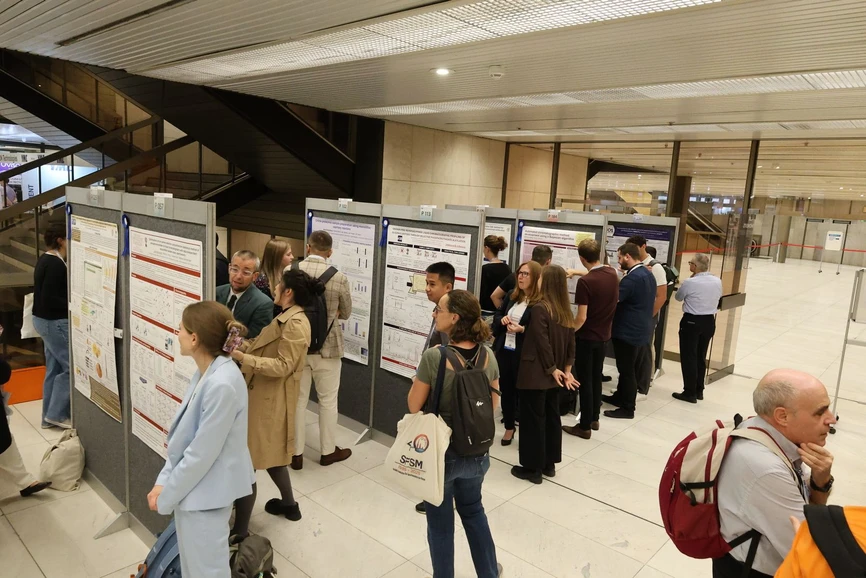 ISC: ISC 2026 - Day 4: Poster session
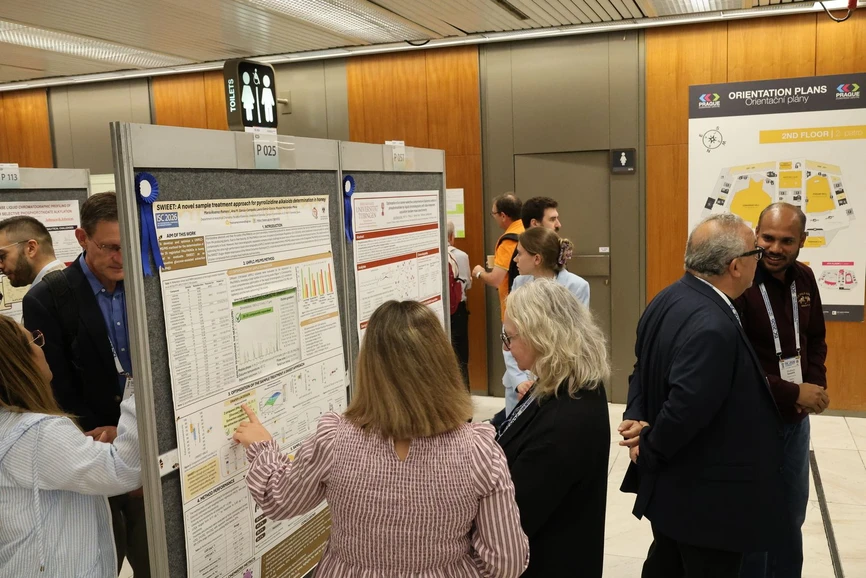 ISC: ISC 2026 - Day 4: Poster session
12:30 - 14:00 Special Session: Publishing Workshop
This interactive workshop will provide practical guidance on scientific publishing in the field of separation science. Participants will have the opportunity to hear directly from journal editors about key aspects of the publication process and how to improve their chances of successful publication.
Topics will include manuscript preparation, peer review, editorial decision-making, open access publishing, and the responsible use of artificial intelligence in scientific publishing. Editors will share insights into what they look for in submissions, common reasons for rejection, and strategies for preparing strong manuscripts. The workshop will also cover selected Wiley-specific topics, including the publisher’s submission platform and current guidelines on the use of AI in scientific publications.
The session will include opportunities for questions and discussion, allowing participants to interact directly with editors and gain valuable advice for their future publishing activities.
14:30–16:00 FUN 09: Electromigration Techniques
Chair
- Jorg P. Kutter, Denmark
14:30 - 15:00 Exploring liposomes and lipid vesicles for use in capillary electromigration techniques
- Susanne Wiedmer, University of Helsinki, Department of Chemistry, Helsinki, Finland.
Liposomes and lipid vesicles have for long been used as pseudostationary phases in capillary electrokinetic chromatography or as stationary phases in open-tubular capillary electrochromatography [1]. The main advantage of the techniques is the wide variety of liposomes that can be used, regarding their lipid composition, fluidity, size, and surface charge. In most studies conventional ultra violet/diode array detection has been employed, however, with some limitations, on-line mass spectrometric detection can also be used. The flexibility of the methodologies allows for a broad range of applications, including chiral separations.
In this presentation I will highlight some novel findings in the use of liposomes as either psedo-stationary phases or as semi-permanent (dynamic) stationary phases. In the latter technique the liposomes will either remain as intact vesicles or as disrupted lipid bilayers on the fused silica capillary. The importance of the type of phospholipids, considering not only the hydrophobic alkyl chains, but also the molecular composition of the polar head groups is enlightened. In the search for efficient and selective antifungal agents, the sterol content of mammalian and fungal cell membranes cannot be overlooked, and recent findings on the comparison between cholesterol and ergosterol -rich membranes will be discussed. Emphasis will also be on the estimation of the distribution coefficients of compounds between lipid and aqueous phases and the comparison with immobilized artificial membrane chromatography. In addition, data on the possibility of using semi-permanent lipid stationary phases in capillary electrochromatography on-line connected with mass spectrometry will be presented. In many cases complimentary methodologies are required to get a better understanding of the findings, and in our research, these are mainly dynamic light scattering, microcalorimetry, nanoplasmonic sensing [2], based on localized surface plasmon resonance, as well as computational methodologies.
 ISC: ISC 2026 - Day 4: Susanne Wiedmer, University of Helsinki, Department of Chemistry, Helsinki, Finland.
15:00 - 15:20 Epitachophoresis: From concept to commercialization
- František Foret, Czech Academy of Sciences- Institute of Analytical Chemistry, Bioanalytical Instrumentation, Brno, Czech Republic.
Most bioanalytical workflows begin with a critical step: efficient sample pre-separation. Among the available approaches, non-affinity electrophoretic methods offer a powerful strategy by exploiting differences in electromigration to separate and enrich target analytes from complex biological matrices selectively. Building on this principle, we recently introduced epitachophoresis (ETP) as a promising electrophoretic technique capable of concentrating and separating nucleic acids directly from milliliter-scale samples. The ETP arrangement enables exceptionally high, virtually unlimited concentration factors.
Our work systematically evaluates key experimental parameters, including the size, shape, and composition of zone-stabilizing media, as well as device architectures optimized for handling large sample volumes. Traditional slab gel electrophoresis commonly employs polyacrylamide or agarose gels as sieving and stabilizing matrices. While effective, these materials inherently restrict the size of nucleic acids that can be concentrated. To overcome these limitations, we explored large-pore stabilization materials and leveraged advanced 3D printing technologies to fabricate rigid stabilizing manifolds designed to suppress liquid flow during epitachophoresis. A variety of 3D-printed stabilizing manifold geometries were evaluated to support analyte focusing in both anionic and cationic modes. Remarkably, depending on device geometry, the system can concentrate ionic components from sample volumes ranging from 1 to 50 mL into a collection volume of 150 µL or less. The concentration process is rapid, typically requiring only a few minutes up to one hour, depending on the stabilization medium and applied electrical power.
Using this platform, we successfully demonstrated single-run isolation of DNA and RNA from biologically relevant samples, including challenging materials such as formalin-fixed paraffin-embedded (FFPE) tissues. Although the system was initially designed for nucleic acid extraction and focusing, our results highlight the broader analytical potential of ETP. In particular, this presentation will explore its application to the separation and enrichment of additional biomolecules, including peptides and proteins, opening new possibilities for high-performance bioanalytical sample preparation.
In this communication, we present the development of the novel instrumentation from the device concept to a commercial system designed for the processing of crude samples using discontinuous electrophoresis in a circular configuration.
 ISC: ISC 2026 - Day 4: František Foret, Czech Academy of Sciences- Institute of Analytical Chemistry, Bioanalytical Instrumentation, Brno, Czech Republic.
15:20 - 15:40 Towards reliable pH control in LC: Determining pKa scales in methanol–water and acetonitrile–water by Internal Standard Capillary Electrophoresis
- Marti Roses, University of Barcelona, Department of Analytical Chemistry, Barcelona, Spain.
The retention of ionizable compounds in liquid chromatography (LC) is fundamentally governed by their degree of ionization, which depends on the relationship between the analyte pKa and the pH of the mobile phase. However, in the organic–aqueous solvent mixtures commonly used as LC mobile phases, both pKa and pH values differ significantly from those in water, making reliable pH control and method optimization challenging [1].
The internal standard–capillary electrophoresis (IS-CE) method provides a rapid and high-throughput strategy for determining acid–base dissociation constants without the need for direct potentiometric pH measurements. In this approach, analyte pKa values are obtained relative to a set of internal standards with known reference pKa values [2–4].
The pH of the running buffer is determined using an internal standard with a known pKa value. This was achieved by comparing its effective electrophoretic mobility in the running buffer with its actual mobility measured with a running buffer where the compound is fully ionized. Once the buffer pH is established, the pKa values of the analyte solutes can be calculated from the determined pH together with their effective electrophoretic mobilities in the running buffer and their corresponding actual mobilities in the fully ionized state.
In this work, the IS-CE methodology previously established for aqueous systems is extended to methanol–water and acetonitrile–water mixtures relevant to LC mobile phases. Reference pKa scales are established from electrophoretic measurements of 44 acid–base compounds (21 neutral acids and 23 neutral bases) in methanol–water and acetonitrile–water media up to 90% of organic modifier (v/v). To anchor the electrophoretic scales, the pKa values of several internal standards have been determined potentiometrically in all solvent systems.
The resulting internal standard reference set enables both rapid pKa determination of analytes and practical measurement of buffer pH across the range 2–11 (water scale) in methanol–water and acetonitrile–water mobile phases. This approach provides a practical framework for establishing consistent pH scales in LC mobile phase solvents and facilitates more reliable control of chromatographic selectivity.
15:40 - 16:00 Generic capillary electrophoresis methodology for quality control of histidine epimerization in therapeutic peptides
- Quentin Lorenzi, IBMM - Univ Montpellier, F12 sab, Montpellier, France.
As natural ligands to receptors found in living organisms, peptides offer several advantages over small organic molecules, including high selectivity and specificity and low toxicity. Since the landmark synthesis of insulin in 1921, the importance of this molecular class has steadily increased, with peptides representing nearly 8% of all FDA-approved drugs between 2016 and 2024[1].
As with any therapeutic compound, controlling peptide chirality is essential. A particular case is epimerization, the change in the absolute configuration of a single residue. Epimerization can lead to subtle yet critical alterations in secondary and tertiary structures, significantly impacting biological activity, safety profiles, and physicochemical properties such as solubility and bioavailability. Thus, detecting and quantifying unwanted epimers in peptide-based drugs remains a major analytical challenge for quality control (QC) laboratories.
To address this issue, we developed a generic capillary electrophoresis (CE) methodology to monitor epimerization of therapeutic peptides. CE was selected by a comprehensive literature review emphasizing significant changes in charge and structure of peptide epimers, two key factors in electrophoretic separations. Our study focused on peptides containing histidine, one of the most epimerization-prone amino acids. Eleven model tri- and hepta-peptides containing either L- or D-His and residues with a wide range of physicochemical properties (e.g., logP, pI) were synthesized with solid phase peptide synthesis and purified prior to analyses.
The electrophoretic mobility of each epimer was determined using phosphate buffers across a pH range encompassing the peptides’ estimated isoelectric points. Mobility-pH curves were constructed to identify optimal pH conditions maximizing mobility differences for direct, robust separation.
Significant mobility differences were observed for all tri-peptides, with variations strongly correlating with charge changes as a function of pH, supporting negligible three-dimensional conformation effects. In contrast, the hepta-peptides exhibited lower mobility differences and weaker correlations with the expected charge variations. These discrepancies suggest that histidine epimerization induces conformational changes in longer peptides.
These insights enabled the definition of optimal separation conditions for all epimer pairs tested. This study proposes a generic CE approach for finely tailoring separation conditions to control traces of histidine epimerization in therapeutic peptides, support process optimization, formulation, stability assessment, and regulatory compliance in a QC context.
14:30–16:00 BIO 09: Nucleic Acids and Oligonucleotides
Chairs
- Davy Guillarme, Switzerland
- Koen Sandra, Belgium
14:30 - 15:00 Separation matters: Advanced chromatographic approaches for impurity profiling of emerging oligonucleotide
- Sebastiaan Eeltink, Vrije Universiteit Brussel, Department of Chemical Engineering, Brussels, Belgium.
Oligonucleotides (ONs) are an emerging and potent class of pharmaceutical agents that exert therapeutic effects through mechanisms such as mRNA degradation and splice modulation. To enhance stability, bioavailability, and cellular uptake, phosphorothioate (PS) modifications are commonly incorporated into therapeutic ONs, though they introduce diastereomeric variants. Therapeutic efficacy and dose response can be highly affected by the presence of closely related impurities and the random diastereomeric composition of ON samples, posing analytical challenges for impurity profiling and the characterization of diastereomeric patterns. Because diastereomers cannot be resolved by MS alone -even when MS/MS workflows are applied - efficient chromatographic separation remains essential.
In the first stage, anion-exchange chromatography (AEX) was explored to analyse the parameter affecting phosphorothioate ON selectivity at both single- and double-stranded levels. Moreover, a novel multistep negative-slope gradient strategy was developed to maximize resolving power for 21-mer oligonucleotides containing three PS modifications. Subsequently, a 2D-LC framework was developed, combining AEX as the first-dimension separation with IP-RPLC in the second dimension enabling denaturing strand-specific impurity profiling. The method was subsequently optimized for the separation of diastereomers in therapeutic ONs, including single-stranded ASOs, double-stranded siRNAs, and non-ionically conjugated ONs. In parallel a ion-pair-free reversed-phase LC-MS method was developed to profile phosphodiester and shortmer impurities. Therefore, a selective sulfur-alkylation strategy was developed allowing to differentiate ONs with 1 to 4 PS modifications.
Lipid-oligonucleotide conjugates (LONs) are a next-generation class of biopharmaceuticals combining nucleic acid sequence specificity with lipid-mediated delivery, enhancing membrane affinity, cellular uptake, and tissue targeting. Lipid type and conjugation position strongly influence hydrophobicity, chromatographic retention, and interactions, affecting the separation of critical impurities such as shortmers and diastereomers. Chromatographic modes - including reversed-phase LC (with and without ion-pairing) and hydrophilic interaction LC - were systematically compared. Using a C4 column, high-resolution diastereomer profiling of internally lipid-modified duplexes resolved over 30 of 64 theoretical siRNA diastereomers, demonstrating that lipid type and conjugation site strongly influence PS modification behaviour and separation efficiency.
15:00 - 15:20 Capillary electrophoresis for separation and characterization of protein-DNA assemblies and condensates
- Hailin Wang, Research Center for Eco-Environmental Sciences- Chinese Academy of Sciences, State Key Laboratory of Environmental Chemistry and Ecotoxicology, Beijing, China.
The integration of capillary electrophoresis (CE) with laser-induced fluorescence polarization(LIFP)/fluorescence imaging (FI) offers a powerful analytical platform for characterizing the complexes, assemblies, and condensates of protein and DNA/RNA. Leveraging rapid separation (<3 minutes) under physiological conditions, these techniques enable real-time monitoring of dynamic processes involved in the complexes, assemblies, and condensates of protein and DNA/RNA, providing critical insights into their biological functions and biophysical properties. Here, we focused on RecA/Rad51 ATPase family proteins—key recombinases that catalyze DNA strand exchange to maintain genome integrity. Using a laboratory-built CE-LIFP and CE-FI systems, we developed a robust assay to monitor RecA nucleoprotein filament dynamics. Two pivotal features of this assay ensure the preservation of native binding stoichiometry: (1) ultrafast separation (<3 minutes) minimizes system deviation from equilibrium, and (2) inclusion of Ca²⁺ as a stabilizing additive in the separation buffer effectively suppresses ATP hydrolysis-induced artifacts. By optimizing the CE-LIFP approach, we uncovered an ATP hydrolysis-activated functional state of RecA nucleoprotein filaments, termed "RecA-unsaturated filaments," characterized by a dominant population of unbound nucleotide sites. Functional studies demonstrated that these dynamic, substoichiometric filaments directly enhance strand exchange activity in vitro and correlate with elevated homologous recombination (HR) efficiency in vivo. To probe how strand exchange proceeds in the presence of RecA-free defects, we designed a series of specialized single-stranded DNA substrates. Strikingly, our experiments first revealed that synaptic RecA nucleoprotein filaments exhibit long-range flanking strand separation activity, a previously unrecognized property. Based on these findings, we propose a molecular model to explain how flanking strand separation is coordinated during recombination. This model advances the mechanistic understanding of homologous recombination by highlighting the role of RecA filament dynamics and spatial organization in driving DNA strand exchange. Our work will show that CE-LIFP and CE-FI are innovative tools for studying nucleoprotein complexes and condensates under near-physiological conditions, providing new mechanistic insights into the regulation of homologous recombination and other important reactions occurred within cells.
15:20 - 15:40 Expanding the analytical toolbox: Denaturing ion-pair HILIC and RP approaches for impurity characterization of fatty acid-conjugated siRNAs
- Martina Lioi, Novartis Pharma AG, Technical Research and Development- Analytical Research and Development ARD, Basel, Switzerland.
Chemically modified siRNAs display enhanced stability, binding affinity, and pharmacokinetic performance. These modifications can include phosphorothioate (PS) linkages on the phosphate backbone as well as terminal conjugation for more targeted delivery strategies. Among these, fatty acid (FA) conjugation has emerged as a promising approach to support extrahepatic delivery.
From an analytical perspective, FA conjugation introduces a polarity mismatch within the siRNA duplex: one strand remains highly polar and densely charged, whereas the conjugated strand becomes markedly more hydrophobic. This asymmetric amphiphilicity, together with the duplex architecture and extensive chemical modification, increases analytical complexity and demands highly selective, orthogonal chromatographic approaches to enable reliable purity and impurity analysis under denaturing conditions.
Gold standard liquid chromatography (LC) techniques for oligonucleotides analysis, including ion pair reversed phase (IP-RP), anion exchange chromatography (AEX), and hydrophilic interaction liquid chromatography (HILIC) can be employed to separate product-related impurities and degradants of siRNAs, but may require an extension of chromatographic chemical space and extensive optimization for denaturing analysis of FA-conjugated oligonucleotides. Conventional HILIC conditions may provide insufficient denaturation for duplex species (even at high temperatures), whereas IP-RP retention can be dominated by the hydrophobic FA moiety, limiting selectivity for closely related impurities. More recently, ion-pair HILIC (IP-HILIC) has gained attention, as positively charged IP reagents can modulate the contribution of the highly negatively charged phosphate backbone to HILIC retention while favoring additional polar interactions between the nucleobases and the stationary phase, thereby increasing the HILIC selectivity and promoting duplex denaturation.1,2 Here, we present a systematic evaluation of denaturing, ion pair based separations in both RP and HILIC modes for the analysis of product-related impurities in FA-conjugated siRNAs. We investigated multiple variables and chromatographic parameters to explore changes in selectivity and resolution of closely related impurities.
15:40 - 16:00 Development of sample preparation methods for the extraction of therapeutic oligonucleotides from plasma and cerebrospinal fluid
- Sylwia Studzińska, Nicolaus Copernicus University in Torun, Faculty of Chemistry- Chair of Environmental Chemistry and Bioanalytics, Toruń, Poland.
Therapeutic antisense oligonucleotides are a class of compounds designed to regulate gene expression by binding to specific RNA transcripts. They are short, synthetic RNA strands that undergo chemical modifications to enhance their stability and function. Therapeutic oligonucleotides hold considerable promise for the treatment of genetic disorders, including rare neurological diseases such as spinal muscular atrophy.
The growing potential of therapeutic oligonucleotides is directly reflected in increasing interest in methods of their separation, determination, and identification. An equally important issue is sample preparation, which remains a significant challenge for oligonucleotides due to their high affinity for proteins in biological samples. The most commonly used sample preparation techniques for the analysis of antisense oligonucleotides are protein digestion with enzymes or liquid-liquid extraction. They effectively disrupt bonds between oligonucleotides and proteins, but do not remove all interfering compounds. Solid-phase extraction in anion-exchange or ion pair mode is used for purification. Optimized procedures provide high recovery, but low reproducibility, a long time, or elution using high concentrations of inorganic, non-volatile salts. In addition to the mentioned techniques, microextraction by packed sorbent, magnetic and dispersive solid phase extraction, and hybridization were also used. Hybridization provides high selectivity for the full-length oligonucleotide, but low efficiency for short metabolites. Despite unquestionable advances in the extraction of therapeutic oligonucleotides, the methods pose limitations. Therefore, it is reasonable to search for new methods and materials with potential applications in oligonucleotide extraction.
The lecture will present several different approaches to the extraction of therapeutic oligonucleotides and their metabolites from serum, plasma, and cerebrospinal fluid. A critical comparison will be made among liquid-liquid extraction, microextraction by packed sorbent, solid-phase extraction, and dispersive solid-phase extraction in different modes. The goal was also to explore the potential of new adsorbents (synthesized in our laboratory) for hydrophilic interaction and mixed-mode extraction of antisense oligonucleotides. Both attempts simplify the procedures, reduce time, and increase efficiency.
14:30–16:00 HYP 09: Novel Hyphenation Techniques
Chairs
- Alejandro Cifuentes, Spain
- Jakub Novotny, Czech Republic
14:30 - 15:00 Enhancing the robustness and sustainability of comprehensive LC×LC through aqueous first-dimension separation modes
- Frederic Lynen, Belgium
High-performance liquid chromatography (HPLC) is the most widely used analytical technique for molecular separations across a broad range of application areas, including pharmaceutical, environmental, food, natural product, and life science analysis. Most HPLC methods rely on established separation modes such as reversed-phase (RPLC), hydrophilic interaction (HILIC), and normal-phase liquid chromatography (NPLC). However, these approaches typically require substantial amounts of organic solvents, raising concerns regarding sustainability, operational costs, and detector compatibility, particularly when compositional solvent gradients are employed.
Conventional one-dimensional (1D) (U)HPLC is also fundamentally limited in resolving power when analyzing highly complex samples. Comprehensive two-dimensional liquid chromatography (LC×LC) addresses this limitation by offering greatly enhanced separation performance, albeit often at the expense of increased solvent consumption, reduced sensitivity, complex method development, and modulation-related challenges.
Purely aqueous separation modes have recently emerged as promising alternatives that offer both sustainability and performance advantages. Temperature-responsive liquid chromatography (TRLC) employs water as the sole mobile phase, with retention governed by the temperature-dependent hydrophobicity of stimuli-responsive stationary phases. Per-aqueous liquid chromatography (PALC) similarly enables predominantly aqueous separations using commercially available columns and appears well suitable for semi-polar analytes.
In this work, the potential of TRLC and PALC is explored within advanced 1D and 2D HPLC workflows. Particular emphasis is placed on comprehensive LC×LC platforms combining aqueous first-dimension separations with reversed-phase chromatography in the second dimension. This configuration enables generic on-column refocusing at the head of the second-dimension column, mitigating common modulation-related issues, simplifying method development, and enhancing overall method robustness.
Furthermore, these refocusing mechanisms improve detection sensitivity and facilitate direct, split-free coupling to mass spectrometry. The capabilities of aqueous-first-dimension LC×LC are demonstrated through applications including flavonoid profiling in natural products, pharmaceutical impurity analysis, and the investigation of degradation pathways in oxidatively treated wastewater samples.
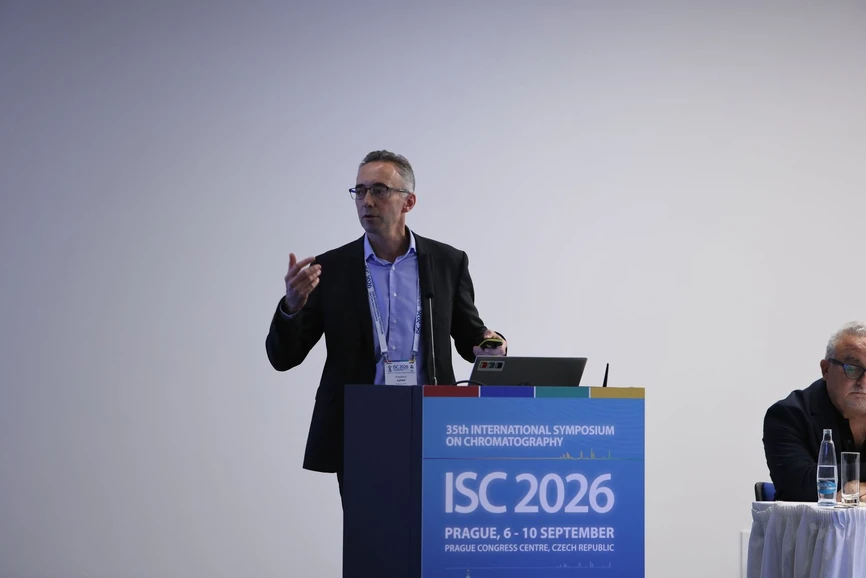 ISC: ISC 2026 - Day 4: Frederic Lynen, Belgium
15:00 - 15:20 An application of flow programming to enable useful detection regimes in hyphenation of low-field NMR to 1-D HPLC
- Michael Pollard, Karlsruhe Institute of Technology, Institute of Polymer Chemistry and Technical Chemistry, Karlsruhe, Germany.
Already well established for flow-monitoring applications, low-field benchtop NMR spectrometers (<100 MHz 1H Larmor frequency) have also been deployed for chemically-selective detection of eluates in 1D HPLC, including SEC[1-3] and LAC[4-5] modes. For hyphenation, the benchtop spectrometer has key advantages over high-field superconducting instruments, including low volume of transfer capillaries, easy insertion into existing setups, and low operating costs. However, in both separation modes, larger diameter columns are required to prevent peak distortion at the large detection volume (~0.2 ml), and sample overloading is needed to overcome low sensitivity. We have found flow programming, a rarely used method, to be beneficial for benchtop LAC-NMR, as it enables higher sensitivities to be achieved as well as access to useful detection regimes such as stop flow and peak profiling. The setup consists of benchtop NMR (80 MHz, proton optimized probe), UV, and DRI detectors in series, with one continuous flow path and no additional hardware for flow diversion or control (e.g. valves, 2nd pumps, or loop collectors). The method was tested on phenolic antioxidant mixtures of BHT, BHA, and TBHQ, isocratically separated in H2O/acetone eluent on C18 columns (10x250 mm). We will discuss impacts to chemical selectivity (aromatic, hydroxyl, tert-butyl, and methoxy protons), measurement sensitivity, chromatographic and spectral resolution, detection of positional isomers of BHA, and spectrometer stability from programmed flow changes during separation.
15:20 - 15:40 Analysis of fatty acids in polysorbate 80 using High-Performance Liquid Chromatography (HPLC) with Charged Aerosol Detection (CAD)
- Margaret Maziarz, Waters Corporation, LC Portfolio, Milford, USA.
Polysorbates are non-ionic surfactants widely used in pharmaceutical, food, and cosmetic products to solubilize ingredients, stabilize emulsions and enhance formulation stability and texture. Polysorbate 80 is a mixture of saturated and unsaturated fatty acid esters and sorbitol anhydrides copolymerized with approximately 20 moles of ethylene oxide (Borisov et al). The complex heterogeneous nature and lack of strong chromophore required for UV detection present challenges for the analysis and quality control of Polysorbate 80. The U.S. Pharmacopeia (USP) procedure relies on time-consuming reflux and GC-FID analysis, which can limit throughput and efficiency in quality control.
In this study, we demonstrate a high-throughput HPLC method using Charged Aerosol Detection for the quantification of fatty acids in Polysorbate 80. Chromatographic separation was performed on an XBridge™ BEH™ C18 (4.6 x 100 mm, 3.5 µm particle) column with a mobile phase of 0.05% formic acid in water and acetonitrile solvent delivered with a flow rate of 1.5 mL/min. Detector parameters including evaporator temperature, filter time constant, and power function values were evaluated to maximize sensitivity and reproducibility. Method performance was determined by measuring system suitability, quantification limits, linearity, and range. The method demonstrated excellent repeatability of replicate injections, producing a relative standard deviation (RSD) of ≤ 1.00% for peak areas. The quantification limits for fatty acids ranged from 0.9 to 3.5 ng on column. A linear relationship was achieved over a 0.05 to 25 µg/mL concentration range with a correlation coefficient (R2) ≥ 0.99 using a linear fit with 1/x weighting. Different batches of Polysorbate 80 were analyzed. The samples underwent saponification with potassium hydroxide, followed by a liquid-liquid extraction using methyl-tert-butyl ether. The collected liquid layer was dried under gentle nitrogen flow. The residue was reconstituted with diluent (75:25 acetonitrile/water). The composition of the free fatty acids was determined by calculating percentage (%) of each fatty acid as described in the USP monograph for Polysorbate 80 (USP–NF 2021 Issue 1). The developed method allowed reliable quality testing by measuring fatty acid composition in Polysorbate 80 raw materials.
15:40 - 16:00 The evolution of HPLC-XRF: From early concept to latest developments and future potential
- Frederic Lynen, Belgium
Many detectors used in High-Performance Liquid-Chromatography (HPLC) exhibit a compound-dependent response, meaning that the signal intensity depends on (and is often optimised for) the detected compound. The most widely used detectors in HPLC are ultraviolet detection (UV) and mass spectrometry (MS), both of which exhibit this limitation. As a result, individual standards and calibration curves are required for accurate quantification. This requirement not only increases cost and time but becomes infeasible in complex samples or when large classes of compounds are of interest. In addition, for many compounds, such as degradation products or derivatives, standards are simply unavailable.
Universal detectors have been proposed as a solution, but a true universal detector remains elusive. Non-specific detectors such as refractive index detection (RID) and evaporative light scattering detection (ELSD) are considered more universal but exhibit problems with gradient analysis due to the influence of mobile phase composition. Moreover, their non-specificity provides no chemical or structural information on the detected compound. Consequently, a universal detector while maintaining specificity is highly desired. Alternatively, element-specific detectors, such as inductively coupled plasma-mass spectrometry (ICP-MS) and X-Ray Fluorescence (XRF), have been considered. These detectors offer universality through element-specific calibration curves instead of compound-specific ones and maintain specificity by providing elemental information. This is especially useful for large compound classes with a common element, as well as for degradation products or derivatives. Although ICP-MS provides excellent sensitivity, it is challenged by large organic contents often used in HPLC, is expensive and destructive, preventing in-line hyphenation with other detectors such as molecular MS for simultaneous quantification and identification experiments.
In contrast, XRF was long limited to off-line coupling, but was recently introduced by our group as a non-destructive, dynamic, flow-through detector for HPLC [1]. This has allowed the separation and detection of metals and brominated organics, and showed that the use of non-authentic standards is possible. However, the remaining limitation of HPLC-XRF is sensitivity. Progress in this aspect has been achieved through further optimisation of both XRF and HPLC parameters, including flow cell design and HPLC miniaturisation. Moreover, we performed measurements with synchrotron radiation which have offered insights into capabilities with stronger, lab-scale X-Ray sources. Finally, HPLC-XRF was tested for various applications including brominated flame retardants and amino acids. This work presents the state of the art in HPLC-XRF and potential for future research.
16:00–16:30 Coffee Break
16:30 - 18:00 Industry Session: Activity 5: Discussion session - Sustainability in separation science
16:30–18:00 FUN TY 3: Method Development and Optimization in Chromatography
Chairs
- Marek Minarik, Czech Republic
- Jean Christophe Garrigues, France
16:30 - 17:15 Monolithic columns: Why, how, and for what?
- František Švec, Faculty of Pharmacy- Charles University, Department of Analytical Chemistry, Hradec Králové, Czech Republic.
Modern monolithic columns emerged about 35 years ago. They are well known for their ease of preparation, which will be presented in detail, robustness, high permeability to flow, mass transfer via convection, and vast variety of chemistries. Early polymer-based monoliths were used almost exclusively for rapidly separating proteins and other large molecules. However, these polymers lacked mesopores and had only a limited surface area. Thus, second-generation monoliths with a plethora of small pores and a large surface area were designed and their preparation will be demonstrated. At the same time, a number of new chemistries and functionalization methods were developed to produce monolithic columns for the separations in various chromatographic modes. The preparation processes will also be shown. In addition to typical liquid chromatography, different applications have meanwhile been described, thus confirming the versatility of the monoliths. Some of the examples that will be shown include attaching metal-organic frameworks and nanoparticles on the internal pore surface. Both are very useful tools. Using metal nanoparticles extends the applications of monoliths to the arena of highly selective fishing-out systems. For instance, functional thiols allow for the attachment of gold nanoparticles, permit reversible functionalization, and expand the range of applications. Large-scale monolithic columns have also become available for industrial applications. Thin monolithic layers are a less common format that is gaining attention. They enable the efficient proteins separations using simple means and allow for easy detection via mass spectrometry or surface-enhanced Raman spectroscopy. Monoliths also serve as support for immobilizing enzymes and forming highly active enzymatic reactors. All these topics will be covered in the tutorial.
 ISC: ISC 2026 - Day 4: František Švec, Faculty of Pharmacy- Charles University, Department of Analytical Chemistry, Hradec Králové, Czech Republic.
17:15 - 17:30 Lowering the experimental burden: Improving the data efficiency of Bayesian optimization for unsupervised automated chromatography method development
- Gerben Van Henten, University of Amsterdam, Van 't Hoff Institute for Molecular Sciences- Analytical Chemistry group, Amsterdam, Netherlands.
Artificial intelligence and especially machine learning approaches are reshaping how we design, optimize, and evaluate analytical methods. In the field of liquid chromatography, Bayesian optimization (BO) is emerging as a leading strategy to accelerate method development and to systematically explore the chemical landscape. Because of its data efficiency, BO holds the potential to improve decision-making, reduce cost and waste, and to increase the throughput of measurements. Recent advances with the AutoLC platform have shown that fully closed-loop, unsupervised, method development is not only feasible but can operate robustly without human intervention, highlighting the growing maturity of AI-driven workflows [1].
A common perception is that BO, regardless of its data efficiency, requires a large number of experimental measurements before it can be utilized for LC method development. However, this overlooks the substantial improvements that can be achieved through the implementation of better designed scoring functions and by the selection of good starting conditions. Additional efficiency improvements can be achieved from understanding the impact of sample complexity, adjusting the number of changeable parameters, and employing kernel and acquisition function choices that are better aligned with the structure of the LC response surface. In this presentation we will explore to what extent BO can be improved using smart strategies, good objective functions, and utilizing knowledge of the sample domain. We will discuss a framework that was developed to in silico compare objective functions and to quantify the influence of the sample complexity. Finally, we implement the findings in an automated and unsupervised workflow and showcase the current state of BO with a real chromatographic sample highlighting the potential of BO to replace routine method development queries.
17:30 - 17:45 A computational framework for accelerating LC–MS method development through simulation and retention scoring
- Sanne Boot, University of Amsterdam, Van 't Hoff Institute for Molecular Sciences, Amsterdam, Netherlands.
Oligonucleotides are short DNA or RNA strands widely used in pharmaceutical applications and frequently contain chemical modifications that increase structural complexity and analytical difficulty. In addition, synthesis-related impurities often produce highly crowded chromatograms, complicating peak detection and data interpretation. Computational approaches offer opportunities to accelerate and systematize method optimization for oligonucleotide analysis.
One of the greatest challenges in analytical method development is the efficient optimization of numerous physical and chemical parameters. Robust method development for oligonucleotides commonly relies on one-dimensional liquid chromatography (LC) or comprehensive two-dimensional (LC×LC) coupled with mass spectroscopy (MS) to obtain detailed structural and impurity information. however, systematic optimization remain time-consuming and strongly dependent on reliable data processing and informed selection of chromatographic conditions.
Reliable peak detection is essential for automated method development, yet many algorithms are trained on narrow datasets, limiting their generalizability to, for example, complex oligonucleotide samples. Objective benchmarking is further hindered by the absence of ground truth in experimental LC-MS data. To address this limitation, we are developing a realistic LC-MS simulator that generated labeled chromatographic data based on real measurements. The framework enables controlled variation of peak shapes, noise level, and overlap conditions, providing a flexible benchmark evaluating peak detection and data processing algorithms. Initial validation was performed on small molecule datasets to establish robustness of the simulation strategy before transfer to oligonucleotide specific applications.
In parallel, we introduce a retention score model that estimates whether compounds can be separated under defined chromatographic conditions. The model integrates compound descriptors, method parameters, and available retention data to calculate retention behavior between compounds. Each compound is assigned a retention score, enabling direct comparison between analytes; sufficiently distinct scores indicate likely separability. This provides a rapid pre-screening tool to prioritize promising chromatographic conditions and reduce experimental trail-and-error. Eventually, the model will be adapted to also predict the retention score when certain information is not provided.
The two approaches are inherently connected: the LC-MS simulator enables objective evaluation and selection of robust peak detection workflows, which in turn provide reliable retention data required for accurate retention score modeling. Together, they establish a closed, data-driven framework for accelerating and strengthening oligonucleotide method development.
17:45 - 18:00 Data-driven selection of liquid chromatography stationary phases for the separation of isomeric environmental contaminants in non-target screening
- Ruchun Chen, Stockholm University, Department of Chemistry, Stockholm, Sweden.
The identification of contaminants in environmental samples using liquid chromatography is a fundamental challenge. In non-target screening (NTS), the unequivocal assignment of structural isomers remains a bottleneck, as the candidate compounds are often isomeric and yield indistinguishable mass spectra, resulting in long candidate lists. In these cases, structural annotation becomes an exclusive function of the selectivity of chromatographic system. Despite this, NTS relies mostly on generic reversed-phase methods. Selecting optimal stationary phases to resolve these "analytically difficult" pairs traditionally relies on trial-and-error, which is unfeasible for unknown features encountered in NTS. This study presents a workflow to maximize chromatographic selectivity in NTS by choosing optimal stationary phase for isomeric chemicals likely to occur in environmental samples.
Firstly, to evaluate the ability of mass spectrometric data to distinguish isomeric chemicals, we utilized SIRIUS+CSI:FingerID fingerprints as an in silico proxy for MS2 similarity. From 457,883 environmental chemicals in PubChemLite, we prioritized 48 pairs of isomers for experimental validation which exhibited Tanimoto similarity >0.85. Secondly, we use Hydrophobic Subtraction Model (HSM) to predict the ability of a column to separate the selected pairs of isomers. Machine learning models with Extreme Gradient Boosting on combined Mordred descriptors and ECFP4 were trained to predict the five solute parameters (η, α, β, σ, κ). Predicted solute parameters were integrated with the established database of HSM parameters for 799 stationary phases to quantify selectivity and associated uncertainty was evaluated via Monte Carlo simulation.
Most isomer pairs showed limited selectivity on standard C18 phases, while a subset of isomers exhibited strong, column-dependent selectivity. For instance, the separation of neostrychnine and strychnine was found to be dominated by the ionic C term. Constitutional isomers like theobromine and theophylline were found to be more susceptible to separation than positional isomers, such as miconazole and its EP impurity G, which consistently showed low selectivity across all phases due to highly similar predicted HSM parameters. Polar-embedded, cyano, and mixed-mode stationary phases (e.g., Microsorb-MV 100 CN and Flare C18) demonstrated the highest predicted selectivity across all pairs. These findings underscore that isomer-selectivity can be systematically optimized by matching molecular interactions with stationary phase chemistries.
This study transforms the stationary phase from an empirical choice into a predictable variable in NTS and thereby increasing structural annotation confidence. The current work provides the computational foundation for optimizing isomer resolution. Experimental validation is ongoing and will be presented in the conference.
16:30–18:00 BIO TY 03: Analysis of Proteins and Nucleotides
Chairs
- Juraj Lenčo, Czech Republic
- Daniel Meston, United Kingdom
16:30 - 17:15 Separation, analysis and characterization of peptides and proteins by capillary electromigration methods
- Dušan Koval, Czech Republic.
17:15 - 17:30 Data‑independent acquisition‑based proteome and phosphoproteome profiling for the analytical investigation of Hypericum perforatum extract effects in melanoma cells
- Davide Barboni, University of Ferrara, Department of Chemical- Pharmaceutical and Agricultural Sciences, Ferrara, Italy.
Hypericum perforatum L., commonly known as St. John’s wort (SJW), is a medicinal plant extensively studied for its potential applications in medicine. It is well known for its antidepressant and analgesic properties and has also been investigated for potential anticancer activity, particularly against melanoma [1]. However, despite promising findings, robust clinical evidence supporting its efficacy in melanoma treatment is still lacking.
In this study, we aimed to examine the biological efficacy of a methanolic extract obtained from dried aerial parts of wild SJW collected in Albania, previously characterized [2]. We focused on evaluating its anticancer and pro-apoptotic effects, with special emphasis on improving our understanding of the molecular mechanisms underlying specific cellular responses relevant to melanoma. To obtain these insights, in addition to conventional biological assays, we performed a proteomic analysis of SK-MEL-28 cells to assess the pathways affected by the treatment.
SK-MEL-28 cells were treated with the SJW extract, together with the corresponding control samples, and subsequently subjected to a bottom-up SP3-based proteomics workflow. Resulting peptides were then analyzed using a nano-Ultra-High Performance Liquid Chromatography (nano-UHPLC) platform coupled to a high-resolution Q-Orbitrap mass spectrometer operated in Data-Independent Acquisition (DIA) mode.
Proteomics analysis revealed several proteins significantly modulated by the treatment, suggesting that the observed effects may result from alterations in proteins involved in extracellular matrix degradation and cytoskeletal organization, impairing vesicular trafficking and ultimately leading to mitotic arrest and cell cycle inhibition.
To further investigate treatment-induced signaling alterations, phosphoproteomics analyses were performed on the same samples. In this case, the results revealed modulation of melanoma-related proteins, including transcription factors and enzymes involved in melanocyte-specific metabolic pathways.
Overall, our findings demonstrate that SJW is able to exert selective anticancer activity in melanoma cells. Proteomic analyses provided highly valuable insights, suggesting that these effects are attributable to the ability of the extract to disrupt cytoskeletal dynamics, cell cycle progression, and melanoma-specific pathways. Considering its therapeutic potential, Hypericum perforatum may therefore be regarded as a promising approach for the treatment of melanoma.
17:30 - 17:45 A novel LC column enables low-input proteomics
- Saša Vatić, Institute of Microbiology of the Academy of Sciences of the Czech Republic, Laboratory of Structural Biology and Cell Signaling - BioCeV, Vestec- Prague, Czech Republic.
High-throughput low-input proteomics remain challenging when chromatographic robustness, sample complexity, sensitivity, and acquisition speed must be balanced within a single workflow. To address this challenge, a low-input proteomics platform was established using two complementary loading strategies and two analytical column formats within a common timsTOF SCP acquisition framework.
Analytical performance was established using Pierce HeLa Protein Digest, an in-house Escherichia coli protein digest, and a 1:1 mixture of both proteomes. The workflow was extended to host-pathogen model systems involving human cells infected with Salmonella typhimurium or Bordetella pertussis. Pathogenic samples were inactivated and lysed in 8 M urea by sonication, diluted to 4 M urea, and digested with trypsin. In the first setup, peptides were loaded from 96-well plates onto EvoTips using Agilent BRAVO AssayMAP and separated on Evosep One using the 80 SPD Whisper Zoom method with either a packed-bed 5 cm × 75 μm C18 column (IonOpticks Aurora Rapid75, 1.7 μm) or a 15 cm × 75 μm Si-monolithic C18 column. In the second setup, peptides were loaded by Vanquish nanoLC onto a 5 mm × 250 μm ID C18 trap column (Bruker ProteoTrap) and separated on either the monolithic or packed analytical column using 5- or 15-min linear gradients from 4.8 to 36% acetonitrile in water. MS data were acquired in diaPASEF and diagonalPASEF modes on a timsTOF SCP mass spectrometer. Data were analyzed with Bruker ProteoScape using the Spectronaut directDIA+ library-free workflow.
A maximum of 33,216 precursors and 4,163 protein groups were identified across monolithic runs, and more than 4,000 protein groups were obtained from a 20 ng HeLa digest and a 20 ng HeLa/E. coli 1:1 mixture using the trap-column-based setup with a 5 min gradient, highlighting monolithic-LC performance under short-gradient conditions. Trap-column-based loading supported robust sample handling and reproducible peptide delivery under fast-gradient conditions. In Salmonella typhimurium, loading 10,000 cell equivalents per EvoTip yielded 901/1,035 and 818/1,225 protein groups under the two growth conditions, using the 5 cm IonOpticks / 15 cm monolithic columns. For Bordetella pertussis, Bordetella-only, human-only, and infected samples yielded 691/1,631/1,642 protein groups with the 5 cm IonOpticks-Evosep workflow and 683/2,050/2,261 with the 15 cm monolithic-Evosep workflow. Together, these results support monolithic LC as a robust, scalable route for low-input proteomics and a promising bridge toward single-cell, subcellular, and ultimately single-molecule proteomics.
17:45 - 18:00 Impact of ion-paring reagent on the behaviour of crosslinked peptides during LC-MS
- Andrew Michael, Czech Academy of Sciences, Insitute of Microbiology, Prague, Czech Republic.
16:30–18:00 HYP TY 3: Ion Mobility and High-Resolution MS
Chairs
- Christina Brenner, Austria
- Ondrej Novak, Czech Republic
16:30 - 17:15 Advantages of incorporating ion mobility in LC-MS workflows – A practical guide to LC-IM-MS
- John McLean, Vanderbilt University, Department of Chemistry, Nashville, USA.
This tutorial lecture describes the analytical advantages and challenges of incorporating ion mobility (IM) into traditional LC-MS workflows. From a sample analysis perspective, commercially available LC-IM-MS systems that utilize time-dispersive mass analyzers are straightforward to operate as the timescales of each analytical dimension is well suited for integration without data loss. In LC, peak elution occurs over seconds, in IM peak elution occurs over milliseconds, and in MS separation and detection occurs over microseconds. Because each successive separation is much faster than the dimension that precedes it, there are virtually no losses in sample information through integration. Furthermore, because ion mobility (on the basis of CCS/z) and mass analysis (on the basis of m/z) are correlated, this provides the practical utility of using the IM as MS1 to enable correlated LC-IM-MS/MS for all species. Through integrating the IM with LC-MS, this dramatically increases the peak capacity and peak capacity production rate of the overall measurement which is a significant advantage in the analysis of complex samples such as those in health and medicine.
Furthermore, the benefits of LC-IM-MS include: (i) the ability to separate chemical noise form the analyte of interest (also improving signal-to-noise), (ii) the ability to structurally resolve co-eluting LC species on the basis of structure, (iii) the IM is highly reproducible and can be used for increased confidence identifications and predictions, and (iv) the IM does not slow down the overall measurement and can lessen demands on the LC separation allowing the use of faster LC protocols. Since IM is a post-ionization separation strategy, it is amenable to integration with virtually all ionization sources following LC separation. Despite these advantages there are several challenges. Chief among these is a dramatic increase in the volume of data per analysis, which also places increased demands on downstream data analysis and bioanalytics workflows. This tutorial will describe the analytical advantages and limitations of integrating IM with LC-MS. It will also describe different modes of using LC-IM-MS and LC-IM-MS/MS for enhancing information content in analyses, in particular for the untargeted analysis of complex samples, with a particular emphasis on systems, synthetic, and chemical biology in health and medical applications. Finally, bioinformatics approaches for using LC-IM-MS datasets will be described.
17:15 - 17:30 From relative to absolute: Quantitative cancer metabolomics using bioinert HILIC and mixed-mode chromatography
- Alena Langová, University of Pardubice, Analytical chemistry, Pardubice, Czech Republic.
Metabolomics is a powerful tool for studying biochemical pathways and disease-related metabolic changes. However, many studies still rely on relative measurements (e.g., peak areas or signal intensities), focusing on differences between groups rather than absolute concentrations, which limits cross-study comparability, biological interpretation, and clinical applicability.
A fundamental limitation arises from the fact that MS signal intensities do not universally reflect metabolite concentrations. Ionization efficiency varies widely among compounds, and signals can be influenced by matrix effects, ion suppression, and chromatographic co-elution. These challenges are further amplified for highly polar metabolites such as nucleotides and coenzymes, which often demonstrate poor chromatographic retention and interact with metallic surfaces within conventional LC systems.
In this work, we present a quantitative LC–MS metabolomics workflow that combines bioinert chromatographic platforms [1,2] with complementary HILIC and mixed-mode separations. The development of the method involved a systematic comparison of eight extraction protocols to evaluate their impact on metabolite coverage, signal stability and quantitative reproducibility.
The analytical method was subsequently validated in accordance with standard bioanalytical validation guidelines using 30 internal standards, with particular attention to response factor variability across metabolite classes and its implications for quantitative interpretation of LC–MS metabolomics data.
Data processing and metabolite annotation were performed using an integrated computational workflow combining feature detection and alignment in mzmine, and molecular relationship exploration through molecular networking using GNPS2. This multi-platform approach improved metabolite annotation and visualization of structurally related clusters, as well as enabling the evaluation of compound classes exhibiting similar response behaviour.
The applicability of the workflow is demonstrated using biological samples associated with cancer metabolism, serving as a model to illustrate the analytical performance of the developed method. By integrating optimized sample preparation, bioinert chromatographic design, and advanced data analysis tools, this study highlights strategies that can improve robustness, metabolite coverage, and quantitative interpretability in LC–MS metabolomics.
17:30 - 17:45 Green stability-indicating LC method for etrasimod: BBD optimization and HRMS identification of novel degradation products
- Saniye Özcan, Anadolu University, Analytical Chemistry, Eskisehir, Turkey.
Introduction: Etrasimod, a novel selective sphingosine-1-phosphate receptor modulator, was approved for the treatment of active ulcerative colitis in adults [1]. In this work, a stability-indicating LC-PDA-MS/MS method was developed for the quantification of Etrasimod in pharmaceutical preparations. In different stress conditions, four novel degradation products were observed, and their formation mechanisms were predicted with MSⁿ studies. The greenness of the developed method was evaluated by the AGREE metric tool.
Material and methods: The forced degradation studies were conducted in different stress conditions using LC-MS/IT/TOF instrument. The stationary phase was Ascentis® Express 90 Å C8 (10 cm × 4.6 mm, 2.7 µm), and the other conditions' optimization was utilized using a Box-Behnken design in the presence of its degradation products. The selected factors were flow rate, the percentage of organic phase in the mobile phase, and the column temperature. The validation was done according to ICH Q2(R2).
Results:. Under acidic conditions, degradation products at m/z 505 and m/z 471 were detected, suggesting structural rearrangement involving double bond formation and hydroxyl addition, along with possible neutral losses. Increasing the temperature resulted in the formation of a product at m/z 506, indicating the potential incorporation of multiple hydroxyl groups into the molecule. Under oxidative conditions, a degradation product at m/z 490 was observed, which may be associated with the loss of a hydroxyl group from an acid-induced intermediate. In contrast, thermal and photolytic stress led to the loss of a fluorine atom accompanied by the formation of two additional double bonds, suggesting defluorination and elimination reactions. The method’s LOD and LOQ values and the linearity ranges were 1 and 2 ng/mL and 2 to 30 ng/mL for the MS detector, respectively, and 2 and 5 µg/mL and 5 to 75 µg/mL for the PDA detector, respectively. The precision evaluation was conducted in terms of interday and intraday, and ANOVA analysis and RSD% values were calculated. The accuracy was in the range of 95 to 102%. The method scored 0.73 in the AGREE tool.
Conclusions: A novel stability-indicating LC method for determination of Etrasimod was developed. In addition, four novel degradation products were characterized, and the degradation pathway was predicted. The method could successfully quantitate Etrasimod in placebo formulation.
17:45 - 18:00 Advancements towards higher-throughput tissue sample preparation: Microsampling versus chemical biopsy using high-resolution mass spectrometry in porcine muscle tissue
- Helena Kim, University of Vienna, Department of Analytical Chemistry, Vienna, Austria.
Minimally invasive approaches for tissue lipidomics are increasingly important but remain analytically challenging. Microsampling, based on small tissue volumes followed by homogenization and liquid-liquid extraction (LLE), represents a widely used strategy. Alternatively, chemical biopsy using solid-phase microextraction (SPME) enables non-destructive extraction by inserting a sorbent-coated probe directly into the tissue, making it particularly advantageous for in vivo analyses [1]. In this study, both approaches were systematically compared with respect to their analytical performance and the degree of correlation between their analyte profiles.
Porcine muscle was used as the model system, and experiments were performed in five replicates. Microsampling involved collecting 20-30 mg of tissue, followed by bead homogenization in methanol or water, addition of isotopically labeled internal standards, and LLE after the SIMPLEX protocol [2]. For chemical biopsy, SPME probes coated with hydrophilic-lipophilic balanced sorbent were applied to both intact tissue and homogenates prepared analogously to the microsampling workflow to ensure comparability. After extraction, analytes were desorbed using acetonitrile/water or isopropanol/methanol (1:1, v/v). Data was acquired using a dual-HPLC setup (HILIC and RP) coupled to a high-resolution mass spectrometer operating in positive and negative mode [3]. Targeted data analysis was conducted using Skyline for peak integration and R for statistics.
Both approaches enabled the detection of a broad analyte range, from polar to less polar lipids, such as acylcarnitines and triacylglycerides. LLE yielded a higher number of compounds, reflecting its ability to extract both bound and unbound fractions, albeit at the cost of tissue consumption. In contrast, SPME provided non-destructive sampling but was limited to unbound analytes. Solvent selection significantly influenced extraction efficiency in both workflows. Notably, under comparable conditions, strong correlations between LLE and SPME were observed, indicating that similar analyte profiles were successfully captured.
This study provides important insights into the application of SPME for tissue analysis within high-throughput clinical workflows. Although SPME is well established for liquid samples, its use in clinical tissue analysis remains relatively underexplored. Our findings highlight its potential for integration into clinical diagnostics, offering a minimally invasive in vivo sampling approach that is both environmentally sustainable and cost-effective.
19:00–23:30 Gala Dinner (National House Vinohrady)
 ISC: ISC 2026 - Day 4: Gala dinner