


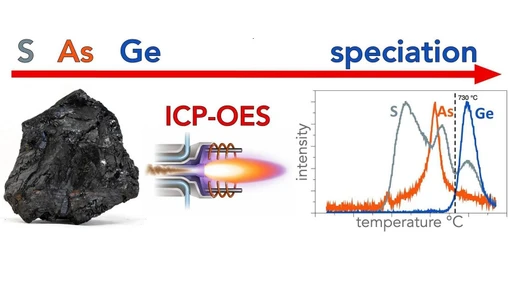
A novel multi-elemental thermal desorption ICP–OES technique to analyze the germanium speciation in lignite
Multi-element TD-ICP-OES enables germanium speciation in lignite and gasification products and reveals selective arsenic desorption below 730 °C.

When Mass Spectrometry Helps Reveal the Secrets of DNA and RNA
A new Shimadzu LCMS-8045RX at the Institute of Biophysics of the Czech Academy of Sciences expands capabilities for studying modified nucleosides and other biologically important molecules.

Propionic Acid Outperforms Formic and Acetic Acid in MS Sensitivity for High-Flow Reversed-Phase LC-MS Bottom-Up Proteomics
Propionic acid increases peptide identifications by 39% versus formic acid in LC-MS proteomics while maintaining chromatographic performance and compatibility.
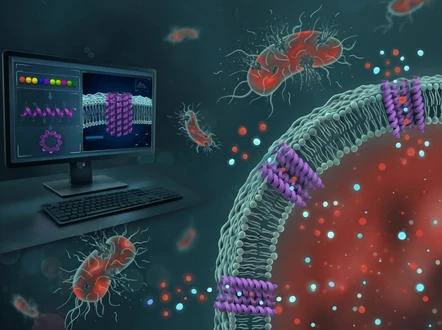
New Antibiotics Designed on a Computer: Scientists Develop a Blueprint for Building Molecules Against Drug-Resistant Bacteria
CEITEC-led researchers developed a computational method to design antimicrobial peptides that form pores in bacterial membranes and kill drug-resistant pathogens, with efficacy confirmed in mouse models.

Separation Sciences in the Czech Republic: From Historical Foundations to Recent Advances
This review explores lesser-known Czech contributions to chromatography and electrophoresis and highlights recent advances in separation science and instrumentation.