Tu, 15.9.2026 | Original article from: International Symposium on Chromatography (ISC)
ISC 2026 concluded with AI and machine learning, bioanalysis, forensics, 3D printing, glycoproteomics, GC×GC/MS, exposomics, the Pavel Jandera and Best Poster Awards, and the Closing Ceremony.ISC 2026 - Day 5
International Symposium on Chromatography (ISC): ISC Day 5 - Closing ceremony
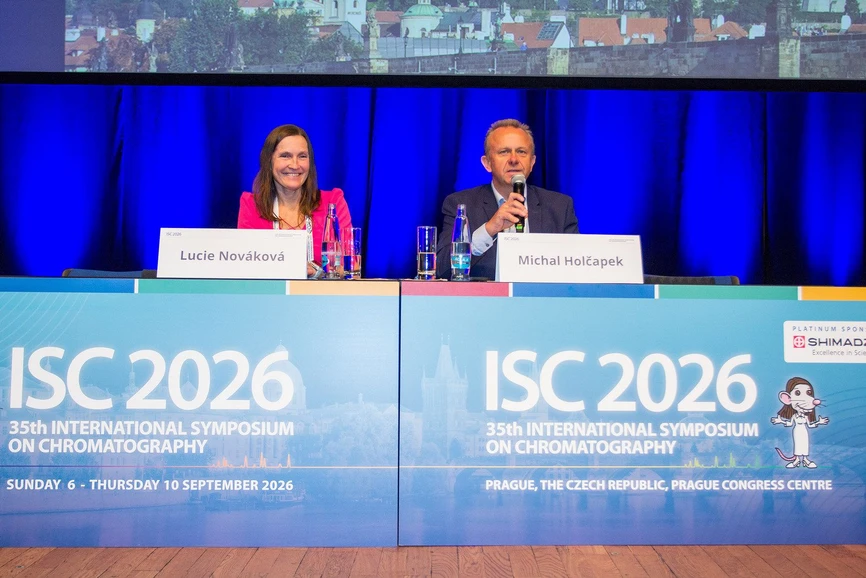
The fifth and final day of ISC 2026 brought the conference to a close with another full morning of science at the Prague Congress Centre. Parallel sessions opened with artificial intelligence and machine learning in chromatography, forensic and toxicological applications, and LC/MS in bioanalysis, covering topics from Bayesian method optimization and machine-learning-assisted pollutant screening to doping control, chemical warfare agent analysis, organ-on-a-chip workflows, and selective LC/ICP-MS detection. The program then moved into 3D printing and miniaturization, glycoproteomics and glycolipidomics, and advanced GC/MS and GC×GC/MS applications in food, environmental, and biological analysis. After lunch, Ana M. Garcia-Campaña delivered the final plenary lecture on chemical exposomics, linking food safety with human biomonitoring and emerging targeted and non-targeted analytical strategies. The closing Award Ceremony celebrated the winners of the Pavel Jandera Award — Bram Huygens, Marie Pardon, and Christian Geibel — together with eight Best Poster Award recipients: Quang-Dong Bui, Matthew Notley, Julius Schwieger, Julia Benirschke, Athanasios Tsalmpouris, Anna Kosmáková, María Álvarez Romero, and Samia Arshad. Conference chairs Michal Holčapek and Lucie Nováková then officially closed ISC 2026, handing the story of the symposium forward toward ISC 2028 in Spain.
Thursday, September 10th
09:00–10:30 FUN 10: Artificial Intelligence and Machine Learning
Chairs
- Tony Edge, United Kingdom
- Sebastiaan Eeltink, Belgium
 ISC: ISC 2026 - Day 5: FUN 10 Artificial Intelligence and Machine Learning chairs Tony Edge, United Kingdom and Sebastiaan Eeltink, Belgium
09:00 - 09:30 No regrets? Entropy-driven bayesian optimization for chromatography-informed 2D-LC method development
- Bob W.J. Pirok, University of Amsterdam, Chemometrics & Advanced Separations Technology Group, Amsterdam, Netherlands.
Bayesian optimization (BO) is increasingly explored for automated liquid chromatographic method development because of its ability to identify promising experimental conditions within limited measurement budgets. While ML continues to be heavily in development, the introduction of yet another machine-learning engine is unlikely to solve the fundamental challenges of chromatographic optimization. In practice, the success of BO depends strongly on how the optimization problem is formulated and how chromatographic knowledge is incorporated into the search process.In this work we explore strategies to reduce optimization regret in automated method development by combining entropy-driven acquisition strategies with chromatography-informed optimization design. Entropy Search Portfolios (ESP) are used to dynamically select among multiple acquisition strategies, improving robustness during optimization. More importantly, the optimization problem itself is formulated using chromatographically meaningful parameterizations and constraints for 1D-LC and 2D-LC gradient design, ensuring that the algorithm explores realistic gradient programs rather than wasting evaluations in physically irrelevant regions of the parameter space.Using a chromatogram simulation framework and closed-loop automated method development platform, we demonstrate that these chromatographic design choices substantially improve convergence behavior and reduce regret within realistic experimental budgets. The results show that the key to reliable automated method development lies not in increasingly complex AI algorithms, but in embedding chromatographic understanding into the optimization strategy itself. This perspective provides practical guidance for the design of robust self-optimizing chromatographic workflows.
 ISC: ISC 2026 - Day 5: Bob Pirok
9:30 - 9:50 Machine learning-assisted liquid chromatography-mass spectrometry analysis for the identification of new pollutants with toxic effects
- Guibin Jiang, Chinese Academy of Sciences, Research Center for Eco-Environmental Science, Beijing, China.
The threat to the ecosystem and human health caused by new pollutants pollution is a major and long-term challenge shared by mankind. Facing the huge number of unknown environmental pollutants in the environment, complementary “bottom-up” and “top-down” (i.e., effect-directed analysis) analytical methodologies have been designed, in which liquid chromatography-mass spectrometry (LC-HRMS) nontarget screening analysis is integrated with other emerging methods (e.g., quantitative structure-activity relationship prediction and effect-directed analysis) for holistic identification and prioritization of environmental organic pollutants. For instance, chemical drivers of acetylcholinesterase (AChE) inhibition in Chinese estuarine waters were comprehensively explored. Machine learning was used as a complementary tool to reduce the complexity of chemical mixtures by predicting potential AChE inhibitors, thus guiding further mass spectrometric nontargeted screening analysis. The organophosphorus and fatty acids were found as the dominating analogues, with liquid chromatographic retention times ranging from 3 to 7 min and 18 to 25 min, respectively. If chromatographic fractionations were collected at an interval of 2 min, the number of detected mass spectrometry features would be in the range of 242 – 705 in individual fractionations. On the contrary, after matching with the suspect list that was profiled through machine learning prediction, the features that required further consideration were significantly reduced to 25 – 125 in the counterpart virtual fractions. As another example, by machine learning prediction, a total list of 856 antibacterial quaternary ammonium compounds (QACs) could be compiled from the hundreds of thousands of chemical candidates in industrial chemical inventories. This significantly contributes to the final identification of 50 structurally diverse antibacterial QACs in estuarine sediments, and effectively minimized the number of chemicals requiring further toxicological validation experiments. These results indicate that machine learning prediction can effectively assist the total analyzing mass spectrometric features in bioactive chromatographic fractions and rapidly capture bioactive compounds, thus increasing the efficacy of causative chemical identification.
 ISC: ISC 2026 - Day 5: Machine learning-assisted liquid chromatography-mass spectrometry analysis for the identification of new pollutants with toxic effects.
9:50 - 10:10 Uncertainty-driven model-based search methods for method development in liquid chromatography
- Leon Niezen, Vrije Universiteit Brussel, Department of Chemical Engineering, Brussel, Belgium.
Empirical retention modelling is a proven method development approach that uses a limited set of initial “scanning” experiments to build component retention models and predict optimal experimental conditions from a predicted chromatographic response function (CRF) surface. Once initial models have been established, literature shows how smart algorithms can be used to further update the surface during their search for the optimal separation conditions. In this study, several search strategies were compared in silico using a set of 122 randomized mixtures. Each was evaluated under varying degree of peak detectability. Three main strategies were assessed: (i) a classic CRF-driven approach, wherein new search runs are conducted at the working point with the highest estimated CRF-value (ii) a new global uncertainty-driven strategy aimed at first improving all initial models simultaneously before attempting to maximize the objective, and (iii) a per-component variant of strategy ii). It was found that, as soon as the peak detection is hindered (by peak overlap), the uncertainty-driven strategies outperform the conventional CRF-driven searches. For example, when a resolution of Rs=0.5 is needed to correctly identify and follow the peaks, the uncertainty-driven searches only failed for 1 out of 122 samples (0.8%), while the CRF-driven search fails in 14% of the cases. When Rs=1 is needed, failure rates increase to 4% for the best uncertainty-driven approach, while the failure rate for the conventional CRF-driven approach grows to a very problematic 42%, despite the retention time parameter estimation being conducted with the same model as the one used to generate the retention time data in the simulated chromatograms.
 ISC: ISC 2026 - Day 5: Leon Niezen, Vrije Universiteit Brussel, Department of Chemical Engineering, Brussel, Belgium.
10:10 - 10:30 Accelerating siRNA diastereomer method development: Automated chromatography with Bayesian optimisation
- Edward Ahearne, AstraZeneca, Pharmaceutical Sciences - Early Chemical Development, Macclesfield, United Kingdom.
Automating small interfering RNA (siRNA) diastereomer profiling is a demanding HPLC task. Phosphorothioate linkages create up to 2–64 diastereomers per strand, and each siRNA sequence shows distinct, often unpredictable behaviour in ion-pair reversed-phase (IP-RPLC)and anion-exchange (AEX) chromatography. Performance depends on many interacting parameters—ion-pair reagent and concentration, buffer species and strength, pH, gradient shape, organic modifier, column chemistry and pore size, temperature, flow, and loading—making traditional method development time- and solvent-intensive and reliant on expert intuition. We evaluated a closed-loop, operator-free Bayesian Automated Method Optimiser (BAMO), a machine learning workflow that autonomously designs, runs, and analyses chromatographic experiments on real instruments. Treating the system as a black box, BAMO iteratively proposes conditions to maximise a resolution-oriented objective tailored to diastereomer profiling, emphasising the number of resolved peaks and nearest-neighbour resolution without peak tracking or mechanistic priors. Search spaces covered the critical variables for both IP-RPLC and AEX, acknowledging that diastereomers are indistinguishable by mass and UV and often elute closely. Furthermore, the use of BAMO allowed for on-column pH adjustments that added an additional level of selectivity for both AEX & IP chromatography. Across multiple sense and antisense strands, BAMO consistently improved separations versus starting conditions, achieving high diastereomer resolution in both modes. Compared with manual development to the first optimal method, the workflow used about 50% less solvent, reduced experiments by 65%, and resulted in averagely five times faster method development. BAMO captured key behaviours highlighted in manual work, including strong temperature-,gradient- and pH- dependence. Strand-specific optima were pronounced, reinforcing that platform methods are unreliable and that adaptive, automated optimisation is advantageous. Practically, BAMO delivers robust separations suitable for stereochemical profiling, enabling batch-to-batch comparisons and supporting regulatory dialogue on PS control, while freeing analysts to focus on higher-level tasks and orthogonal characterisation. Nonetheless, expert review remains essential: scientists identified subtle shoulders, co-elution risks, and temperature-driven elution-order shifts that the optimiser did not prioritise. Overall, closed loop Bayesian optimisation provides an operator-free, efficient route to develop IP-RPLC and AEX methods for siRNA diastereomers, accelerating delivery of sequence-specific separations, reducing resource burden, and complementing—not replacing—analytical expertise.
09:00–10:30 BIO 10: Forensics, Doping Control, and Toxicology
Chairs
- Tohru Ikegami, Japan
- Radim Kucera, Czech Republic
 ISC: ISC 2026 - Day 5: BIO 10 Forensics, Doping Control, and Toxicology chairs (Tohru Ikegami, Japan and Radim Kucera, Czech Republic)
09:00 - 09:30 Analytical approaches for the detection of emerging therapeutics and non-approved drugs in human sports drug testing
- Mario Thevis, German Sport University Cologne, Institute of Biochemistry, Cologne, Germany.
Analytical approaches in sports drug testing are continuously updated and expanded, exploiting new information on drug metabolism and disposition in humans as well as innovations in sample preparation and analysis, and also novel strategies focusing on marker-based test methods have been assessed, developed, and implemented. The resulting improved detection capability and retrospectivity of sports drug testing approaches has considerably limited the formerly available options of substances and methods of doping.
In order to implement new, emerging drugs into routine anti-doping tests, information on the metabolic fate of such substances is critical, and strategies that allow mimicking the human metabolism for test method development have thus become particularly relevant in preventive anti-doping research. One option successfully simulating drug administration and metabolism reactions has been established with organ-on-a-chip technologies, and first proof-of-concept results have demonstrated the utility of this methodology also for sports drug testing purposes.
Besides this strategy that supports anti-doping efforts mostly concerning lower molecular mass drugs and drug candidates so far, the need to implement testing approaches regarding the illicit use of gene transfer, gene editing, and gene silencing interventions are also required in the anti-doping context, ideally using comprehensive analytical test methods.
Hence, a newly pursued approach towards a multiplexed testing strategy will be presented, allowing to monitor the administration of various transgenes (including erythropoietin, growth hormone, insulin-like growth factor-1, vascular endothelial growth factors, and myostatin) in human blood. The assay relies on the combined use commonly employed of amplification technologies and mass spectrometric approaches and has shown to be applicable to authentic samples such as gene doping drugs.
 ISC: ISC 2026 - Day 5: Mario Thevis, German Sport University Cologne, Institute of Biochemistry, Cologne, Germany.
9:30 - 9:50 GC×GC-MS/TOF analysis of the human scent on cartridge cases
- Ulrika Malá, University of Chemistry and Technology Prague, Department of Analytical Chemistry, Prague, Czech Republic.
This pilot study focuses on human scent analysis at crime scenes, particularly on cartridge cases. Although dactyloscopic fingerprints can sometimes be found on cartridges, they are often partial and lack sufficient minutiae for successful database comparisons. However, the perpetrator also leaves behind its scent on the cartridges, which could be useful for both individual and class identifications.
In this study, cartridge cases were collected from a simulated crime scene from four different surfaces. These cases were extracted using ethanol, and the extract was analyzed with GC×GC-MS/TOF using liquid injection. Additionally, another group of volunteers was sampled to compare their scents with those from the simulated crime scene.
The results showed that the surface from where the traces were collected did not play a significant role in the identification. While the ability to distinguish each volunteer's scent was observed, it was not yet possible to link the fired cartridge cases to any of the volunteers. This issue could be resolved in the future by target analysis focused on genetically determined substances or by solving present problems with peak processing in the commercial software that accompanies the two-dimensional gas chromatograph.
 ISC: ISC 2026 - Day 5: Ulrika Malá, University of Chemistry and Technology Prague, Department of Analytical Chemistry, Prague, Czech Republic.
9:50 - 10:10 Chromatography as the gold standard in chemical warfare agents analysis: Operational experience, proficiency testing, and analytical challenges
- Jakub Milczarek, Organisation for the Prohibition of Chemical Weapons, Centre for Chemistry and Technology, The Hague, Netherlands.
The Chemical Weapons Convention (CWC) provides the international legal framework prohibiting the development, production, stockpiling, and use of chemical weapons, assigning the Organisation for the Prohibition of Chemical Weapons (OPCW) responsibility for its implementation and verification. In this context, reliable chemical analysis tools are essential. Chromatography coupled with mass spectrometry has become the gold standard for the identification and confirmation of Chemical Warfare Agents (CWAs), their precursors, and degradation products in complex sample matrices.
In particular, gas chromatography-mass spectrometry (GC-MS) remains the primary analytical technique employed during on-site inspections due to its robustness, selectivity, and use of a purpose-built reference library, the OPCW Central Analytical Database (OCAD). Operational experience demonstrates the critical role of GC-MS in confirming volatile CWC-related compounds in environmental and industrial samples. In parallel, off-site analysis plays a central role in the CWC verification by enabling comprehensive laboratory -based analysis under controlled conditions. Such analyses are conducted by OPCW Designated Laboratories, of which the technical competence – including sample preparation, analytical performance, data interpretation, and reporting consistency – is rigorously assessed through the OPCW Proficiency Testing Programme. In this context, GC-MS and liquid chromatography-tandem mass spectrometry (LC-MS/MS) constitute the core analytical techniques.
Analytical challenges in chromatography-based CWC-related analysis do, however, occur. Sample preparation is critical, but often difficult to achieve under field conditions. Thermal processes in the GC injection port may induce degradation or artefact formation, while ion–molecule reactions in the MS ion source can generate unexpected products. Furthermore, retention parameters and peak characteristics under non-ideal conditions may complicate compound identification, especially when matrix effects are significant.
Identification capabilities can be enhanced using the OCAD, which is developed by the OPCW Laboratory using data submitted by cooperating laboratories from OPCW Member States and scientifically evaluated by the OPCW Validation Group. The OCAD contains infrared (IR), mass spectrometry (MS), nuclear magnetic resonance (NMR), tandem mass spectrometry (MS/MS), high-resolution mass spectrometry (HRMS) and gas chromatography retention index (GC(RI)) data. The use of OCAD, combined with expert judgment and the recommended application of orthogonal analytical techniques, enhances confidence in identification of CWC-related chemicals, while maintaining the strict quality and traceability requirements mandated under the CWC.
The important role that chromatography plays in the CWC verification regime is therefore emphasized, drawing from operational experience, proficiency testing outcomes, published studies and real-world analytical examples. Chromatography coupled with mass spectrometry remains an essential tool for accurate analysis of CWC-related chemicals, despite evolving threats and analytical challenges.
 ISC: ISC 2026 - Day 5: Jakub Milczarek, Organisation for the Prohibition of Chemical Weapons, Centre for Chemistry and Technology, The Hague, Netherlands.
10:10 - 10:30 Targeted HILIC-MS/MS for glutathione profiling: Method optimization and toxicological applications
- Miroslav Kubát, University of Pardubice, Department of Analytical Chemistry, Pardubice, Czech Republic.
Hydrophilic interaction chromatography (HILIC) coupled with mass spectrometry (MS) is a powerful analytical tool for the separation and detection of polar and ionizable biogenic compounds, which often exhibit poor retention in reversed-phase modes and simultaneously lack chromophores for UV detection. This approach is particularly valuable for the targeted analysis of glutathione (GSH) metabolism and detoxification pathways. GSH serves as the principal intracellular antioxidant and as a crucial biomarker of oxidative stress associated with many chronic diseases, including diabetes mellitus, cystic fibrosis, osteoarthritis, renal and hepatic disorders, cardiovascular diseases, and neurodegenerative disorders, as well as acute conditions such as drug poisoning. Therefore, deeper insight into GSH metabolism may contribute to improved therapeutic interventions for intoxications and better symptom management in chronic diseases [1].
In this work, an advanced HPLC-MS/MS method was developed and optimized for the comprehensive profiling of GSH metabolism. Separation was performed on a fully porous ZIC-HILIC column using an HPLC system coupled to a triple quadrupole mass spectrometer operated in positive ESI mode. Method optimization demonstrated that 0.05% (v/v) difluoroacetic acid used as a mobile-phase additive provided an optimal balance between chromatographic selectivity and MS sensitivity. Furthermore, the sample preparation procedure was systematically optimized, and 5% sulfosalicylic acid was identified as the most suitable agent based on extraction recovery, protein precipitation efficiency, and mitigation of acid-related artifacts. Because significant matrix- and acid-induced effects on detector response were observed, the method was rigorously validated using a multiple standard addition approach [2].
The validated method enabled the selective and highly sensitive quantification of 21 GSH- and sulfur-related metabolites in cellular samples without prior derivatization. To demonstrate its practical utility, the method was successfully applied to monitor metabolic alterations in A549 lung cancer cells exposed to CdCl₂ and cisplatin, underscoring its strong potential for routine application in toxicological and oncological investigations [2].
 ISC: ISC 2026 - Day 5: Miroslav Kubát, University of Pardubice, Department of Analytical Chemistry, Pardubice, Czech Republic.
09:00–10:30 HYP 10: LC/MS in Bioanalysis
Chairs
- Kenji Hamase, Japan
- Taťána Gazárková, Czech Republic
09:00 - 09:30 Liquid chromatography, organoids and organ-on-a-chip: An update
- Steven R. H. Wilson, University of Oslo, Department of Chemistry, Oslo, Norway.
Organoids and Organ-on-a-chip systems are miniaturized, laboratory grown organ models. They are emerging as attractive tools for e.g. drug discovery, as they can be prepared from the cells of a patient or a patient group, representing the functionalities of e.g. liver, lung and even brain. These organ models are being developed, investigated and utilized in basic research laboratories and big pharma alike. The development and use of organ models, along with other New Approach Methodologies (NAM), is increasingly encouraged by regulatory bodies, as alternatives to often-unreliable animal models.
Considering the emergence of organoids and related models, there is a growing need for suited analytical tools. However, the chemical analysis of these organ models can be challenging, due to e.g. limited size/sample amount, sample complexity, sample variances, and a rising need for high throughput analysis. Consequently, we are developing various analytical platforms for the analysis of these organ models, with separation science playing a key role.
We are focusing on the development and application of online analytical platforms (sample preparation-chromatography-detector), as we find such systems to be suited for small samples and automation. Our platforms have a minimal number of manual handling steps, vastly reducing the amount of plastic consumables used, and the chance of sample preparation-related contaminations. However, online systems must undergo careful development to reduce instrument fouling. A core platform is the automated filtration/filter backflush (AFFL) LC-MS platform. This system allows for untreated cell culture media to be directly injected, without clogging and carry-over effects occuring, tested over 1,000 injections without maintenance. The system has also undergone method validation procedures and is used for monitoring drug metabolism of liver organoids and organ-on-a-chip. The platform is currently being validated with a 96 drug cocktail and a range of different cell culture media. In addition, we are developing a scalable chip device for electrophoresis-based extractions, tailored for highly selective and online extraction of small molecule drugs. This system is designed for bridging organ-model systems and chemical analysis, for rapid and automated readouts, e.g. related to drug metabolism studies. This presentation will contain recent finding and results with these and other analytical approaches.
 ISC: ISC 2026 - Day 5: Steven R. H. Wilson, University of Oslo, Department of Chemistry, Oslo, Norway.
09:30 - 09:50 Aptamer-based affinity sorbents for the selective extraction of target molecules and ions from complex samples
- Valérie Pichon, ESPCI Paris, UMR CBI / Lab of Analytical- Bionalytical Science and Miniaturization, Paris, France; Sorbonne Université, UFR Chimie, Paris, France.
The evolution of analytical instruments, such as liquid chromatography-mass spectrometry (LC-MS) and inductively coupled plasma-mass spectrometry (ICP-MS), has enabled significant improvements in sensitivity and analysis time. However, the analysis of ultra-trace levels in complex samples often requires a purification and pre-concentration step prior to the analysis of target analytes (organic molecules, ions) to minimize matrix effects and ensure accurate quantification. In this context, extraction sorbents based on molecular recognition mechanisms have emerged as powerful tools for the selective extraction of target analytes, thereby enabling more reliable and sensitive quantitative analysis.
One approach involves the use of immunosorbents (ISs), which rely on antibodies specific to the molecule of interest. The high specificity and affinity of antigen-antibody interactions allow for the selective cleanup of complex samples or extracts, achieving high enrichment factors. This molecular recognition mechanism obtained using antibody-based sorbent can also be replicated using molecularly imprinted polymers (MIPs), whose synthesis creates specific cavities that mimic antibody binding sites. MIPs offer the advantage of rapid synthesis (within a few days), but their application to real samples requires careful optimization of the extraction procedure to achieve the desired selectivity.
An alternative approach utilizes single strands of DNA or RNA—specific oligonucleotide sequences known as aptamers—capable of binding to a target analyte with affinity comparable to that of antibodies. These aptamers can be grafted onto a solid sorbent, resulting in an oligosorbent (OS) that can selectively extract a wide range of target analytes (e.g., toxins, pesticides, drugs) from complex matrices such as biological fluids and food samples. Once the aptamer sequence is identified, the development of an oligosorbent is less costly than that of an IS, and the associated extraction procedure is nearly as straightforward to develop as for ISs, unlike MIPs.
Disposable solid-phase extraction (SPE) cartridges containing OS can be prepared and used like conventional SPE sorbents for processing various types of samples or extracts. The high selectivity of the extraction procedure makes OS particularly valuable for the development of miniaturized devices, where reduced separation device size can compromise resolution. In this context, fully miniaturized analytical systems have been developed for the quantitative analysis of target molecules in complex samples. While the potential of OS has been widely demonstrated for the extraction of organic compounds, their use for metal ion extraction has also been explored and applied to sample purification prior to ICP-MS analysis.
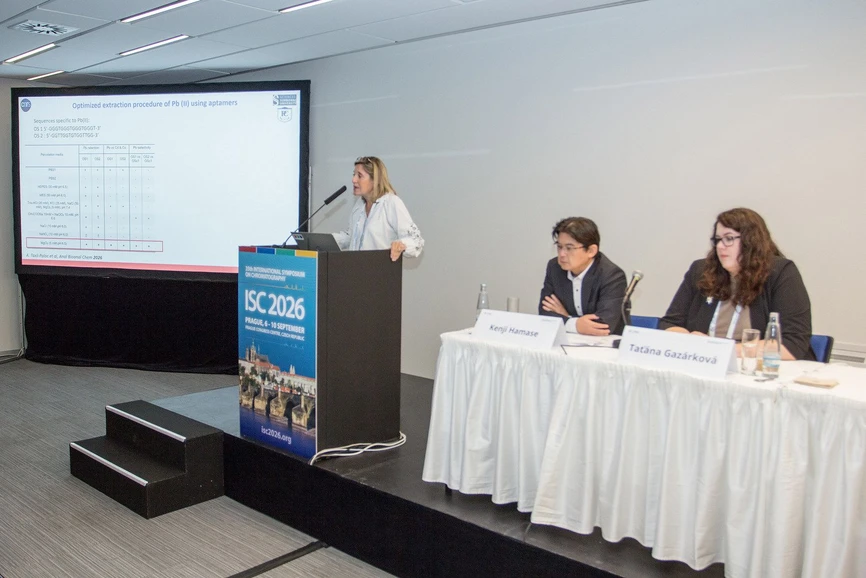 ISC: ISC 2026 - Day 5: Valérie Pichon, ESPCI Paris, UMR CBI / Lab of Analytical- Bionalytical Science and Miniaturization, Paris, France; Sorbonne Université, UFR Chimie, Paris, France.
9:50 - 10:10 Capillary-LC/ICP-MS for selective detection and quantification of fluorinated drugs and their metabolites
- Sam Wouters, Johnson & Johnson, Preclinical Sciences & Translational Safety, Beerse, Belgium.
UHPLC combined with high-resolution MS and radioactivity detection is the industry standard for metabolite identification and quantification. Radioactivity detection enables selective detection and absolute quantitation of all drug-related material in biological samples due to its structure-independent response [1]. However, avoiding synthesis and dosing of radioactive material offers practical, ethical, and financial advantages. In the past decade, around 30% of approved drugs were fluorinated, and their importance is growing [2]. As fluorine-containing molecules are rarely endogenously present, a technique which can selectively detect fluorine can be used to quantify a drug and its metabolites.
We present a workflow to selectively detect and quantify fluorinated drugs and their metabolites in in-vitro and in-vivo samples using capillary LC coupled to ICP-MS/MS. The analytical column effluent is mixed with barium nitrate to allow mass spectrometric detection of BaF+ which is formed in the plasma. A total consumption nebulizer is used, and eluent composition was optimized towards selectivity and sensitivity, allowing to achieve detection limits of 0.65 ng F injected on column. Correction for gradient effects was achieved through both counter gradient application and model-based data correction.
The results obtained by fluorine quantification were compared to those obtained with radioactivity detection, and found to be in good agreement, validating the data and confirming the technique provides a structure-independent response. This approach eliminates the need for authentic standards or specific labelling with radioactive tritium or carbon-14, enabling targeted and quantitative metabolite identification in much earlier stages of drug discovery and development. Optimized ICP-MS/MS conditions, combined with the capability for high-volume trap-elute injections (up to 400 µL on capillary LC) while maintaining adequate chromatographic separation, provides the sensitivity required to characterize early in-vitro samples and in vivo samples from animals or subjects dosed at relevant concentrations. This work is the first account of the viability of the technique for drug metabolism studies and demonstrates it holds significant potential to shape future study designs in absorption, distribution, metabolism and excretion studies [3].
 ISC: ISC 2026 - Day 5: Sam Wouters, Johnson & Johnson, Preclinical Sciences & Translational Safety, Beerse, Belgium.
10:10 - 10:30 DoE-Optimized Green MEPS-UHPLC-MS/MS platform with data-driven internal standard selection for targeted intact peptide profiling in saliva
- Mariano De Cristofaro, University of Pisa, Department Chemistry and Industrial Chemistry, Pisa, Italy.
Quantitative profiling of intact peptides provides useful insight into physiological regulation and disease progression. However, routine clinical testing still relies largely on immunoassays, which are limited by cross-reactivity and single-analyte readouts. Mass spectrometry offers a reliable alternative, but robust, routine-ready quantification of multi-peptide panels in non-invasive matrices remains uncommon, mainly due to poor harmonisation of pre-analytical phases (e.g., peptide instability and adsorption losses) and the limited availability of automated sample-pretreatment strategies.
Here, we present a green, fully validated UHPLC-ESI-MS/MS workflow for the simultaneous quantification of 36-intact-peptides in human saliva. The panel includes clinically relevant peptide families (natriuretic peptides, bradykinins, hepcidin, fibrinopeptides, and endothelins) together with their truncated or degraded forms, which are typically not resolved by immunoassay techniques.
The analytical platform integrates a fully automated microextraction by packed sorbent (MEPS) system. Sample preparation was optimized using a design-of-experiments (DoE) strategy: a Plackett-Burman screening design identified the most influential MEPS variables, which were further optimized using a Doehlert response-surface design. A desirability-function approach was implemented to define compromise conditions that maximize overall peptide recovery while ensuring effective clean-up across the entire panel. In parallel, the effective capability of internal standard (IS) normalization was assessed through a systematic, data-driven framework based on Plackett-Burman model coefficients, ranking IS candidates by similarity in factor-response behavior. This strategy improved quantification trueness and reduced analytical variability up to 52%.
The method was validated according to IUPAC guidelines and showed low limits of detection (0.03-75 ng/mL, peptide-dependent), strong linearity (R² = 0.975-0.996), and reproducible intra- and inter-day precision (≤15%), with recoveries ranging from 80 to114%.
Stability studies demonstrated that the combined use of stabilizing additives (formic acid, methionine, and bovine serum albumin) and low-binding materials is critical to minimize degradation and adsorption during routine handling, storage, and repeated freeze-thaw cycles.
Application to saliva from patients with chronic kidney disease confirmed feasibility in a clinically relevant setting, enabling quantification of up to 24 intact peptides per sample.
Overall, this sustainable and robust platform supports targeted intact-peptide quantification in saliva. Its core principles — non-invasive sampling, automated and miniaturized sample preparation, DoE-driven optimization (including internal standard selection), and stability/adsorption control — resulted in an AGREE score of 0.80 and a BAGI index of 0.75.
By discriminating bioactive peptides from degraded forms, the platform enables larger-scale clinical and mechanistic studies beyond the constraints of conventional immunoassays and is readily transferable to other challenging applications.
 ISC: ISC 2026 - Day 5: Mariano De Cristofaro, University of Pisa, Department Chemistry and Industrial Chemistry, Pisa, Italy.
10:30–11:00 Coffee Break
11:00–12:30 FUN 11: 3D Printing and Miniaturization
Chairs
- Martin Gilar, USA
- Ondrej Horacek, Czech Republic
 ISC: ISC 2026 - Day 5: FUN 11 3D Printing and Miniaturization chairs Martin Gilar, USA and Ondrej Horacek, Czech Republic
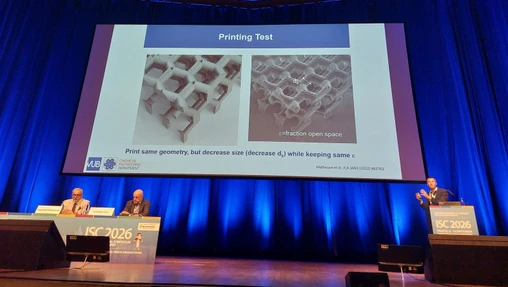
11:00 - 11:30 Microfluidic solid-phase extraction using 3D printed chromatography columns
- Adam T. Woolley, Brigham Young University, Chemistry and Biochemistry, Provo, USA.
The emergence of 3D printing has provided a powerful tool for the custom fabrication of three-dimensional microfluidic architectures for chemical analysis applications. Our research has focused on creating stereolithographic 3D printers capable of constructing microfluidic devices that have pumps, valves, mixers, channels, etc. for use in bioanalysis [1]. We are now utilizing these 3D printers to directly form affinity solid-phase extraction (SPE) columns during the creation of microfluidic channels, advancing beyond prior work [2], where we polymerized porous monoliths within devices after they were 3D printed. We have made microstructured pillars inside of microfluidic channels using a previously described 3D printer [1]. These channels were then modified with DNA to allow affinity extraction of complementary nucleic acids. Furthermore, a multi-resolution 3D printer has recently been developed that can form three-dimensional fluidic structures with dimensions of ~2 µm [3]. We have demonstrated the creation of chromatography columns for immunoaffinity SPE using this 3D printer. We have also evaluated key parameters that affect column morphology, including print design, resin composition and 3D printer settings in optimizing column construction. After covalently linking antibodies to the column surface, we carried out immunoaffinity SPE of a model analyte, red fluorescent protein (RFP). We observed both retention and elution of RFP in these 3D printed immunoaffinity systems, with RFP being eluted at a higher concentration than was loaded. We are currently determining extraction selectivity for immunoaffinity SPE and evaluating other 3D printed SPE column functionalities. 3D printing offers a powerful approach to improve chromatographic methods through the direct creation of designed stationary phases.
 ISC: ISC 2026 - Day 5: Adam T. Woolley, Brigham Young University, Chemistry and Biochemistry, Provo, USA.
11:30 - 11:50 Contrasting high-end and low-cost 3D printing strategies for miniaturized HPLC
- Tobias Werres, Institut für Umwelt & Energie- Technik & Analytik e. V. IUTA, Forschungsanalytik & Miniaturisierung, Duisburg, Germany.
Miniaturization of chromatographic systems is a key driver for resource-efficient, mobile, and high-performance analytics. Additive manufacturing opens new pathways to design and fabricate stationary phases and microfluidic platforms for that endeavor. This contribution presents two complementary 3D printing strategies for miniaturized HPLC systems, highlighting the technological and economic contrasts between high-resolution two-photon polymerization (2PP) and cost-efficient fused filament fabrication (FFF).
The first approach focuses on decentralized and low-cost fabrication of lab-on-chip (LoC) systems using FFF. The commodity polymer polypropylene (PP) is processed on cheap printers to create microfluidic HPLC-compatible modules. Hybrid manufacturing strategies allow integration of capillaries, frits, optical windows, and connectors directly during printing. Classical packing methods enable introduction of particulate stationary phases for reversed phase (RP), normal phase (NP), and HILIC separations. Owing to low material and equipment costs, prototypes can be produced and iterated rapidly, even at batch size one, making the technology accessible to small laboratories, start-ups, and educational institutions.
In the second approach, 2PP was used to fabricate hierarchically structured polymer monoliths as stationary phases for nano-LC. Functionalization with hydrophobic monomers enabled reversed-phase interactions. The resulting monoliths were integrated into a microfluidic setup using fluorinated ethylene propylene sleeves and fused silica capillaries. Morphological characterization by scanning electron microscopy and nano-computer tomography confirmed high structural fidelity and a defined porosity. Chromatographic experiments demonstrated successful separation of aromatic model analytes under gradient conditions, verifying adsorption and retention on the functionalized surface.
11:50 - 12:10 Towards LC with integrated sample preparation under 2kg
- David Jaime Cocovi Solberg, PalmChrom, Product development, Vienna, Austria.
Chromatography is the spearhead of analytical chemistry in the 20th century and will probably continue to be so. Regretfully, the application is often bound to big-footprint instruments that force difficult sampling procedures in remote locations, or when dealing with unstable samples. There has been a trend towards bringing the analyzer to the sample rather than the sample to the analyzer during the last 20 years, but chromatography has been excluded from this competition because its application is often bound to big-footprint, energy-thirsty and infrastructure-dependent devices.
In this contribution we present engineering strategies that enable a drastic reduction in size and power consumption of liquid chromatographic systems, allowing truly portable, deployable and connected LC instrumentation. We believe that this kind of device can trigger a change of paradigm in environmental chemical analysis, from centralized, mostly reactive monitoring to a decentralized, green, digital, and always-connected approach.
12:10 - 12:30 Adapting 3D printed polymers and surfaces for separation science
- Sinéad Currivan-Macdonald, Technological University Dublin, School of Chemical and BioPharmaceutical Sciences, Dublin, Ireland; Technological University Dublin, Health- Engineering- and Materials Research Hub, Dublin, Ireland.
With advances in additive manufacturing, 3D-printing of polymers has flourished, resulting in many create-labs, and community creative-spaces across a range of applications. Fused deposition modelling (FDM) and digital light projection (DLP) printers are common due to their low running cost, and relatively small footprint1, 2. However, adapting these materials for analytical science is not straightforward. Resins can be unpredictable with composition variation, (inter-batch, different manufacturer etc.), with little information provided to the consumer1-3. Understanding the material is key for successful applications. For example, innate surfaces of 3D-printed resins have been used to separate proteins via ion exchange chromatography3. Random surface functionality, and irregular morphological features, can limit the acceptance and use of these accessible technologies within analytical labs.
Thus, the logical approach is to develop a tailored resin per application, requiring skill, expertise, and time4, 5. To control surface chemistries and features, easily is desirable, where a standardised approach to material modification would rule out the possibility of unwanted side-reactions, or non-specific binding events, for applications in analytical science3, 6. In advanced applications such as point-of-care devices towards transformative sustainable healthcare, considerations for biomolecule stability, and surface activity for extraction and/or separations, require precise control of surface chemistry and material stability.
Here, several techniques were explored using a multi-disciplinary approach to modify the surfaces of 3D-printed polymers, in planar and complex 3D printed structures. UV and thermally initiated monoliths were fabricated in these housings following surface treatments. In each technique the surface chemistry and growth of a new polymer was characterised using FTIR, SEM, optical profilometry, and separation techniques.
11:00–12:30 BIO 11: Glycoproteomics and Glycolipidomics
Chairs
- Jennifer Van Eyk, USA
- Saniye Özcan, Türkiye
11:00 - 11:30 Glycoproteomics of single proteins using HPLC-MS profiling: How many glycoforms are there?
- Christian G. Huber, University of Salzburg, Department of Biosciences and Medical Biology, Salzburg, Austria.
A draft of the human proteome assembled from more than 16,000 proteome analyses provided protein evidence for more than 92% of the approximately 20,000 human genes annotated in Swiss-Prot [1]. Contrarily, recent estimations of the entire complexity of the human proteome predict a total number of individual proteoforms exceeding several millions [2]. The substantial difference between the number of protein-encoding genes and the number of different proteoforms is due to several sources of protein structural variation such as sequence polymorphisms, alternative splicing, or post-translational modifications such as glycosylation.
The vast chemical space of glycoprotein structures forms the basis of highly versatile and delicate regulation of their biological function but, at the same time renders their analytical characterization extremely challenging. It has been previously demonstrated that a hybrid mass spectrometry (MS) approach involving the characterization of the glycoprotein at different levels of structural complexity, involving released glycan-, glycopeptide, and intact protein analysis is the key to unravel the intrinsic glycoform heterogeneity [3-5].
Here, we show that systematic data integration of structural information gained by means of multimode HPLC-Orbitrap MS workflows at the different levels in combination with dedicated bioinformatic tools facilitate the annotation of hundreds and even thousands of glycoforms detectable in therapeutic proteins, protein hormones, and plant proteins. Examples of application include glycoforms of monoclonal antibodies, recombinant acid α-glucosidase , the therapeutic fusion protein etanercept, the hormone human chorionic gonadotropin, as well as the major mugwort pollen allergen Art v1.
 ISC: ISC 2026 - Day 5: Christian G. Huber, University of Salzburg, Department of Biosciences and Medical Biology, Salzburg, Austria.
11:30 - 11:50 Simultaneous mapping of peptides and released N-glycans by HILIC-FLD-MS for quality control of protein biopharmaceuticals
- Mykyta Starovoit, Charles University- Faculty of Pharmacy, Department of Analytical Chemistry, Hradec Králové, Czech Republic.
Protein biopharmaceuticals, especially monoclonal antibodies, have revolutionized therapeutic regimes. However, their structural complexity presents analytical challenges. Modifications such as glycosylation and deamidation affect efficacy and immunogenicity, demanding precise monitoring of critical quality attributes (CQAs). Current multi-attribute methods, based on reversed-phase (RP) LC-MS of tryptic peptides, struggle with hydrophilic peptides and show limited resolution of deamidated, isoAsp-containing, and glycosylated peptides. Glycosylation assessment often requires separate workflows with enzymatic release, fluorescent labeling, and HILIC-FLD analysis. We propose a UHPLC method that combines the mapping of tryptic peptides with released, RapiFluor-MS-labeled N-glycans in a single HILIC-FLD-MS run, utilizing convenient sequential injection of peptide and glycan fractions. The approach separates peptides in the initial part of the chromatogram, followed by glycans in later retention windows, with fluorescence labeling enhancing glycan detection. Coupled with tandem mass spectrometry, this approach provides full protein sequence coverage and superior resolution of isomeric glycoforms, deamidated peptides, and isoAsp residues versus RPLC workflows. Analysis of released, labeled glycans further outperforms glycopeptide separation, both by RPLC and HILIC, in preserving terminal sialic acids that are prone to in-column cleavage at acidic pH and high column temperatures. This integrated HILIC workflow could simplify biopharmaceutical quality control by enabling the simultaneous monitoring of multiple CQAs, which now require distinct methods, thereby improving efficiency, reliability, and the cost per sample. The study was supported by the project of the Charles University Grant Agency (GA UK, No. 356325), the SVV Project No. 260782, and the ATEBIO project (Advanced Techniques for Biomedical Diagnostics, Reg. No. CZ.02.01.01/00/23_020/0008535) co-funded by the European Union.
 ISC: ISC 2026 - Day 5: Mykyta Starovoit, Charles University- Faculty of Pharmacy, Department of Analytical Chemistry, Hradec Králové, Czech Republic.
11:50 - 12:10 Liquid chromatography-mass spectrometry for glycosphingolipid profiling in biological samples
- Veronika Subrtova, University of Pardubice, Department of Analytical Chemistry, Pardubice, Czech Republic.
Glycosphingolipids (GSLs) represent a structurally diverse class of membrane lipids involved in cell signaling, immune regulation, and host–pathogen interactions. Changes in GSL composition have been associated with several pathological conditions, including neurodegenerative diseases and cancer. Their comprehensive analysis remains challenging because of their amphiphilic character, low abundance, and extensive structural heterogeneity arising from variations in both the glycan headgroup and ceramide backbone. Consequently, chromatographic selectivity plays a crucial role in resolving structurally related GSL species and reducing matrix complexity prior to mass spectrometric detection. In this work, two complementary liquid chromatographic approaches, reversed-phase liquid chromatography (RP-LC) and hydrophilic interaction liquid chromatography (HILIC), were investigated for GSL profiling in biological samples.
RP-LC coupled with trapped ion mobility tandem mass spectrometry (RP-LC–TIMS–MS/MS) was applied to serum samples from patients with pancreatic ductal adenocarcinoma (PDAC) and controls. Reversed-phase separation provided retention primarily according to the hydrophobic properties of the ceramide moiety, while the additional ion mobility dimension improved the resolution of structurally related species prior to MS/MS characterization. The resulting GSL profiles enabled differentiation between PDAC and controls and revealed disease-associated changes in serum glycosphingolipids. In parallel, a complementary HILIC–MS workflow was developed for GSL analysis in cell line samples. Sample preparation and chromatographic conditions were optimized to simplify the workflow while maintaining efficient GSL recovery. In contrast to RP-LC, HILIC provides class-oriented separation guided predominantly by interactions of the polar glycan headgroups with the stationary phase, offering an alternative selectivity for complex GSL mixtures.
The combination of RP-LC and HILIC demonstrates the importance of chromatographic mode selection for comprehensive GSL characterization. While RP-LC provides detailed separation according to hydrophobic structural features, HILIC offers complementary selectivity toward polar glycan moieties. Coupling these separation strategies with high-resolution mass spectrometry provides a versatile platform for GSL profiling across different biological matrices and supports their application in both clinical and cellular lipidomics.
 ISC: ISC 2026 - Day 5: Veronika Subrtova, University of Pardubice, Department of Analytical Chemistry, Pardubice, Czech Republic.
12:10 - 12:30 Advancing glycan analysis: Novel labeling and detection strategies for CE/LIF and CE-MS
- Jana Lavicka, Czech Republic
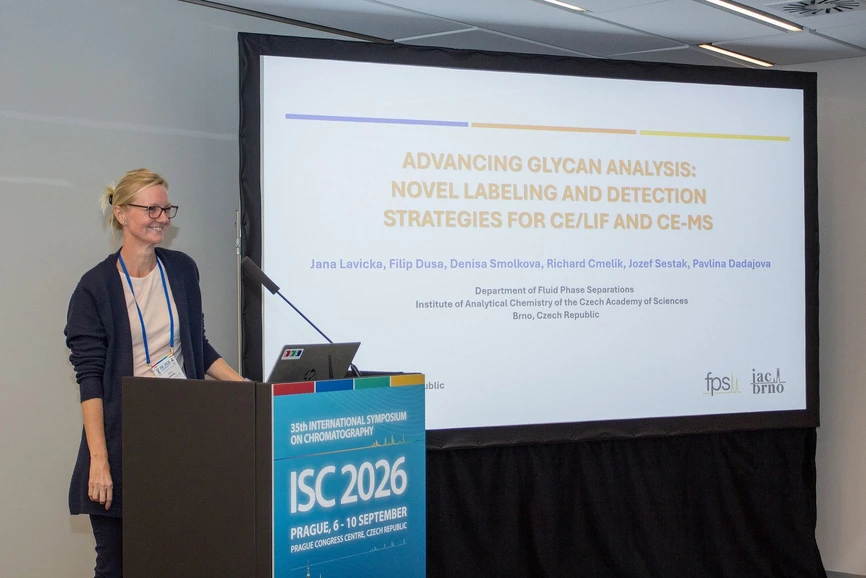 ISC: ISC 2026 - Day 5: Jana Lavicka, Czech Republic
11:00–12:30 HYP 11: GC/MS and GC×GC/MS
Chairs
- Oliver Schmitz, Germany
- Sylwia Studzińska, Poland
11:00 - 11:30 Advancing food analysis through comprehensive two-dimensional gas chromatography
- Giorgia Purcaro, University of Liège, Gembloux Agro-Bio Tech- Analytical Chemistry Lab, Gembloux, Belgium.
Comprehensive two‑dimensional gas chromatography (GC×GC), first introduced by Phillips in 1991, represents one of the most transformative developments in gas chromatographic separation. Its strength lies in the highly detailed chromatographic fingerprints that can be used for targeted and untargeted chemical profiles, enabling deeper characterization of complex matrices while often reducing the need for extensive sample preparation, or even guiding its optmization. Although GC×GC has reached a high level of technical maturity, its adoption in routine food control laboratories remains limited. Yet, the technique has repeatedly demonstrated its value for evaluating food quality, authenticity, and safety.
This presentation will illustrate these capabilities through several case studies. Moving from its role in elucidating mineral oil hydrocarbon contamination, towards the proven efficiency for more routine tasks, including the characterization of intricate fatty acid patterns and the authentication of high‑value food commodities. Whether applied to volatile fractions, to minor‑component fingerprints, or contaminants, GC×GC provides a powerful means of revealing the chemical signatures that underpin the quality and authenticity of foods.
 ISC: ISC 2026 - Day 5: Giorgia Purcaro, University of Liège, Gembloux Agro-Bio Tech- Analytical Chemistry Lab, Gembloux, Belgium.
11:30 - 11:50 Combining GC-HRMS and GC×GC-HRMS for comprehensive analysis of breast skin volatiles during pregnancy
- Serena Reale, University of Pisa, Department of Chemistry and Industrial Chemistry, Pisa, Italy.
Chemical characterization of human body odour is challenging due to the low concentrations of target compounds and the presence of numerous exogenous interferents, which complicate both detection and data interpretation. We developed a non-invasive analytical workflow combining thin film microextraction (TFME) with GC-HRMS and GC×GC-HRMS for in-depth body odour profiling. The method was applied to investigate the chemical composition of maternal body odours, which play a key role in mother-infant communication [1]. Twenty-six pregnant women were recruited at the Santa Chiara University Hospital of Pisa and sampled before and/or after delivery. Volatile compounds were collected from areola and chest over 20 minutes by taping PDMS/CAR (polydimethylsiloxane/carboxen) thin films onto a stainless-steel mesh, avoiding a direct contact with the skin. Ambient air and field blank samples were collected in parallel.
Samples were analysed by thermal desorption GC-HRMS. Prior to desorption, a gaseous standard mixture was introduced into the cryofocusing trap and used as an internal standard to correct for batch-effects across the study. A fraction of the split flow was recollected onto pre-conditioned Tenax GR tube to generate pooled reference samples, each combining chemicals from seven individuals, for subsequent GC×GC-HRMS analysis. This approach enabled detailed identification of volatile organic compounds (VOCs). Characteristic ions of VOCs identified by GC×GC-HRMS were then selectively extracted and integrated in all individual GC-HRMS datasets, allowing targeted monitoring and semi-quantitative comparison across samples. Peak areas were normalized to internal standard responses and log10-transformed prior to multivariate statistical analysis.
A total of 362 unique compounds were identified across all samples, spanning multiple chemical classes, including hydrocarbons (17%), aromatic hydrocarbons (10%), esters (8%), alcohols (7%) and aldehydes (7%). Principal component analysis clearly discriminated skin-derived samples from ambient air and field blanks, confirming the robustness and selectivity of the proposed workflow. These results demonstrate the suitability of the method for comprehensive, non-invasive investigation of maternal–infant chemical communication.
 ISC: ISC 2026 - Day 5: Serena Reale, University of Pisa, Department of Chemistry and Industrial Chemistry, Pisa, Italy.
11:50 - 12:10 GC-MS/MS in action: Unravelling hazardous substances within complex mixtures of waste-derived polymers
- Claudia Marchán-Moreno, Université de Normandie, Institute CARMeN UMR CNRS 6064, Evreux, France.
The disposal of sports and leisure articles (referred to as “Articles de Sport et de Loisirs” or ASL in France) is a is a major contributor to widespread environmental contamination due to the prevalence of Substances of Very High Concern (SVHC) used in the manufacture of polymer-based items. SVHCs, not chemically bound to polymer materials, can easily migrate into the environment and remain there due to their high persistence and bioaccumulation tendencies. Despite growing concerns and probable forthcoming regulations on recyclability, data on the presence of SVHCs in ASL is still limited, with no study on their waste streams to date. This is partly due to the analytical challenges associated with accurate and reproducible measurements of SVHCs in these complex materials, which require specific sample preparation procedures and versatile analytical methods due to the heterogeneity of the analyte’s properties and their constitutive polymer matrices.
The present study focuses on the optimization of methodologies for the target-analysis of several organic SVHCs (Polycyclic Aromatic Hydrocarbons (PAHs), Polybrominated Diphenyl Ethers (PBDEs), Phthalates (PAEs) and others) in polymer-based matrices. Analysis was carried out using gas chromatography coupled to a triple quadrupole mass spectrometer (GC-MS/MS). The analytical process consisted of (1) sample cryogenic grinding, (2) analyte extraction (ultrasound vs. microwave), (3) analyte purification and elimination of co-extracted matrix components (potential interferences), (4) identification and quantification, (5) analysis validation with reference materials. Several techniques and parameters were rigorously evaluated throughout the various stages of the preparation procedure to ensure maximum recovery and reproducibility. Chromatographic column and detection modes were adjusted according to the target analytes.
This study represents the first-time analysis of priority pollutants such as PAHs, PAEs, PBDEs and other flame retardants in a variety of ASL waste streams. The proposed methodology achieved a linear response (R₂ > 0.999) over a concentration range of 0.1 - 5 mg L₋₁ for all analytes, with a repeatability < 2% (n=6). Although lower detection limits (< 0.06 mg L₋₁) were obtained in Single Ion Monitoring mode, the use of Multiple Reaction Monitoring mode (detection limit < 0.13 mg L₋₁) is recommended to validate analyte identification, due to the complexity of chromatograms. No significant matrix effects were observed, highlighting the efficiency of the purification step and the robustness of the overall method, underscoring its versatility for use with a diverse array of polymer matrices.
 ISC: ISC 2026 - Day 5: Claudia Marchán-Moreno, Université de Normandie, Institute CARMeN UMR CNRS 6064, Evreux, France.
12:10 - 12:30 Optimisation and comparative performance of sorptive headspace sampling systems for comprehensive VOC profiling in complex natural matrices by GC–MS
- Natasha Damiana Spadafora, University of Ferrara, Department of Environmental Science and Prevention, Ferrara, Italy.
Accurate profiling of volatile organic compounds (VOCs) in complex natural matrices requires sampling systems capable of delivering high recovery, broad chemical coverage, and robust repeatability prior to chromatographic analysis. This study presents a comparative evaluation and optimisation of advanced sorptive headspace sampling strategies—high‑capacity sorptive extraction (HiSorb), multi‑cumulative trapping solid‑phase microextraction (MC-SPME), and thermal desorption (TD)—to enhance analytical performance in GC–MS workflows. A design‑of‑experiment (DoE) approach was applied to optimise extraction temperature, time, sample mass, and sorbent phase chemistry. Multiple sorptive phases (PDMS, CWR/PDMS, DVB/PDMS, DVB/CWR/PDMS) were assessed to characterise matrix‑dependent selectivity and improve access to chemically diverse VOCs. For matrices dominated by high‑abundance volatiles, a TD workflow integrating high‑split sampling with simultaneous re‑collection of the split flow onto sorbent tubes enabled subsequent low‑split desorption, preventing detector saturation while revealing trace‑level constituents. The optimised sampling systems were benchmarked across chemically distinct natural matrices, such as unifloral honey, Hypericum perforatum flower, and wild macroalgae. Automated chromatographic alignment, spectral deconvolution, compound identification, and multivariate analysis were used to evaluate method robustness and fingerprinting performance. Across all matrices, the integrated workflows delivered broader VOC coverage, extended dynamic range, and high intra‑class reproducibility, enabling reliable chemical fingerprinting and class discrimination. These findings demonstrate that strategic selection and optimisation of sorptive sampling systems significantly strengthen VOC profiling in complex natural matrices. The work aligns with current advances in separation science, hyphenated GC–MS methodologies, and application‑driven analytical workflows relevant to food, environmental, and natural‑product analysis.
 ISC: ISC 2026 - Day 5: Natasha Damiana Spadafora, University of Ferrara, Department of Environmental Science and Prevention, Ferrara, Italy.
12:30–13:30 Lunch Break
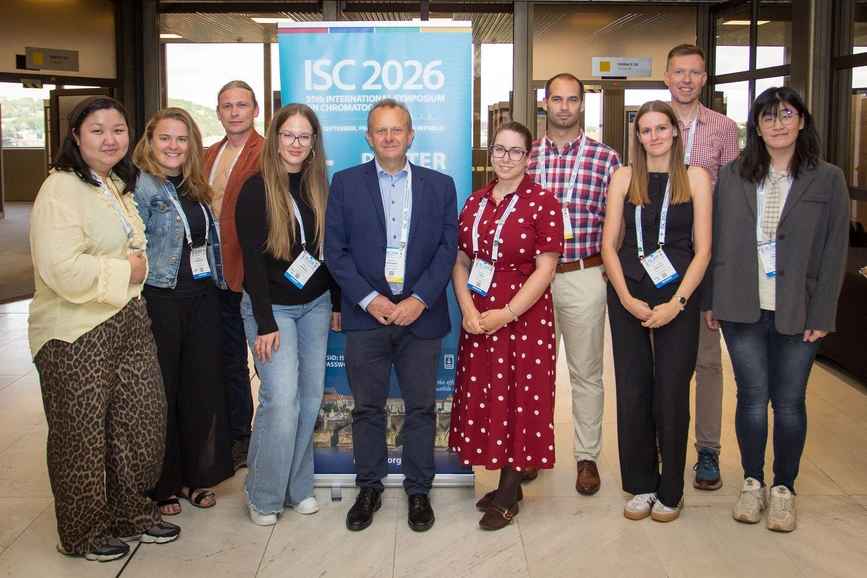 ISC: ISC 2026 - Day 5: Michal Holčapek with his research team
13:30–14:00 Analytical approaches in chemical exposomics: From food safety to human biomonitoring
- Plenary Speaker: Ana M. Garcia-Campaña, University of Granada, Dept. Analytical Chemistry, Granada, Spain.
Human populations are increasingly exposed to a complex array of chemical hazards, with dietary intake identified as a primary exposure route. To understand the long-term health implications of these interactions, the study of the chemical exposome has emerged as a holistic framework. This approach necessitates a comprehensive characterization of exposure sources, mainly related with food safety, and human receptors, linking external stressors to internal biological responses through the identification of both exposure markers (xenobiotics and metabolites) and effect markers (endogenous indicators).
This presentation outlines the evolution of analytical methodologies developed in our laboratory, detailing the transition from traditional, highly selective single-class methods to monitor relevant families of pesticides, antibiotics, or natural toxins in food matrices to more robust targeted multiclass and multiresidue approaches. We highlight a fundamental shift in sample preparation, moving from labor-intensive, specific treatments focused on a particular class of compounds toward more generic procedures capable of extracting a broader range of hazards and metabolites.
Furthermore, we discuss the current state of human biomonitoring (HBM), evaluating the advantages and limitations of targeted methods through case studies involving mainly pesticide and mycotoxin exposure in biological samples. We also address ongoing advancements in suspect screening and non-targeted analysis as essential tools for identifying unknown or emerging contaminants. Finally, we demonstrate how the integration of complementary analytical platforms—specifically liquid chromatography (LC) and capillary electrophoresis (CE) coupled with mass spectrometry (MS)—provides the high-performance data necessary to establish the biological plausibility of observed health effects. This multi-platform synergy is crucial for the future of risk assessment and the advancement of exposomics research.
 ISC: ISC 2026 - Day 5: Ana M. Garcia-Campaña, University of Granada, Dept. Analytical Chemistry, Granada, Spain.
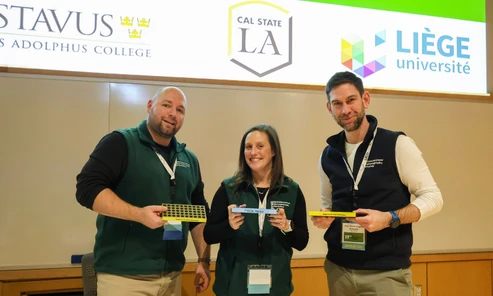
14:00–14:30 Award Ceremony
Pavel Jandera Award
The winners of the Pavel Jandera Award for young scientists (announced by Fakulta chemicko-technologická Univerzity Pardubice) are:
- Bram Huygens (Vrije Universiteit Brussel, Belgium)
- Marie Pardon (KU Leuven, Belgium)
- Christian Geibel (University of Tuebingen, Germany)
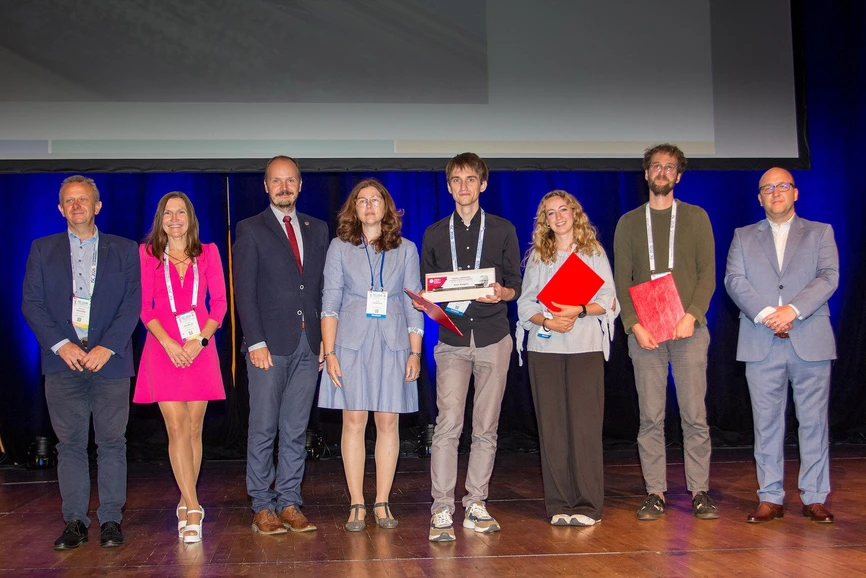 ISC: ISC 2026 - Day 5: Winners of the Pavel Jandera Award
Best Poster Award
- Quang-Dong Bui (Vrije Universiteit Brussel),
- Matthew Notley (AstraZeneca),
- Julius Schwieger (Leipzig University),
- Julia Benirschke (Eberhard-Karls-University Tuebingen),
- Athanasios (Thanos) Tsalmpouris (CMU, University of Geneva),
- Anna Kosmáková (Masaryk University),
- María Álvarez Romero (University of Granada),
- Samia Arshad (University of Barcelona).
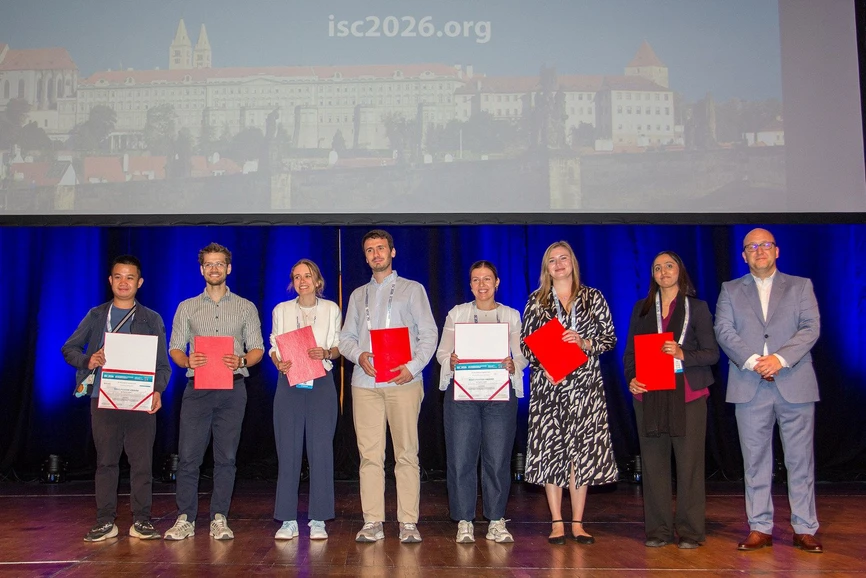 ISC: ISC 2026 - Day 5: Best poster award winners
14:30–15:00 Closing Ceremony
Chairs
- Michal Holčapek, Czech Republic
- Lucie Nováková, Czech Republic
ISC: ISC 2026 - Day 5: Closing ceremony chairs Lucie Nováková and Michal Holčapek
ISC 2028
- Ana M. Garcia-Campaña, Spain
- Jordi Diaz-Ferrero, Spain
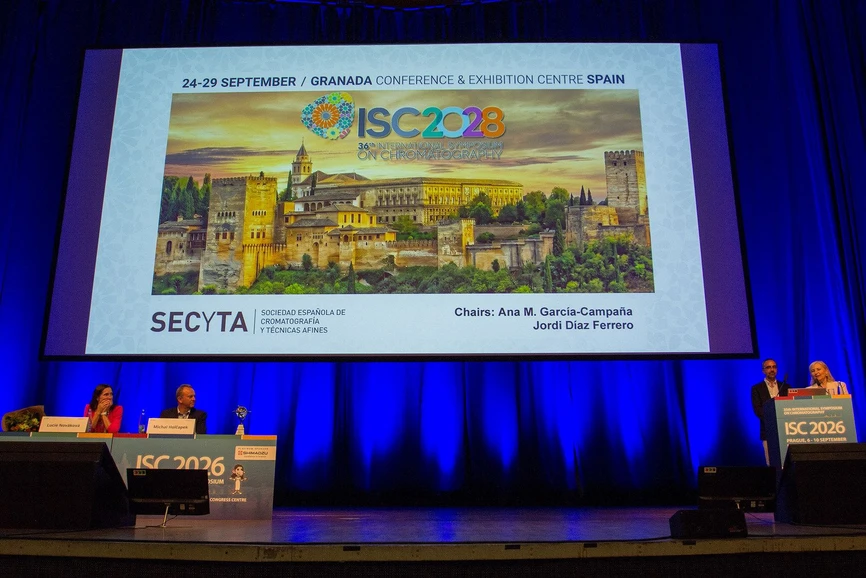 ISC: ISC 2026 - Day 5: Invitation to the ISC 2028