
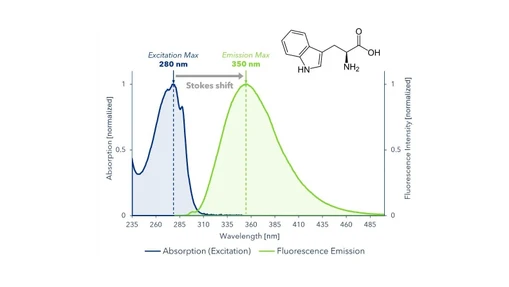
Seeing is Believing – Detection Made Easy Part 5: Fluorescence Detectors
Discover how fluorescence detection works in HPLC, why it offers exceptional sensitivity and selectivity, and how to optimize FLD for trace analysis in complex samples.

Seeing is Believing – Detection Made Easy Part 4: Refractive Index Detector
Discover how refractive index detection works in HPLC, its key advantages and limitations, and why RID remains a reliable choice for sugars, polymers, alcohols and other UV-inactive compounds.
Seeing is Believing – Detection Made Easy Part 3: UV/VIS Detectors
Explore how UV/VIS detection works in HPLC, compare fixed-, variable-, multi-wavelength and diode array detectors, and learn their key strengths, limitations and applications.
Seeing is Believing – Detection Made Easy Part 2: Detector Characteristics
Explore the key performance criteria of HPLC detectors, including sensitivity, selectivity, sampling rate, noise, drift, dynamic range, and practical guidance for choosing the right LC detector.
Seeing is Believing – Detection Made Easy Part 1: Detector Overview
Explore the principal HPLC detection technologies, from UV and fluorescence to mass spectrometry, electrochemical, aerosol, and bulk-property detectors, and learn how to select the right option.
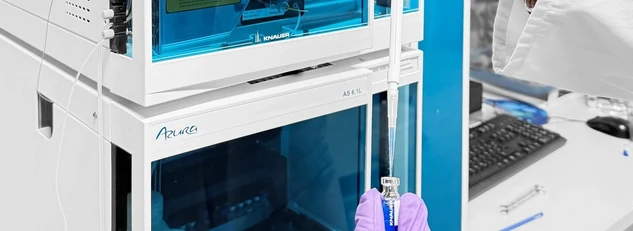
Pipetting Made Easy - Part 3: Pipette Selection
Learn how to choose the right pipette for your laboratory based on volume range, liquid properties, throughput, ergonomics, and workflow requirements.
Pipetting Made Easy - Part 2: Challenging Liquids
Learn how to improve pipetting accuracy with viscous, volatile, foaming, and other challenging liquids using practical techniques, reverse pipetting, and the right pipette selection.
Pipetting Made Easy – Part 1: Best Practice Guide
Master proper pipetting with practical tips to improve accuracy, precision, and reproducibility. Learn best practices for aspiration, dispensing, and handling different types of liquids.
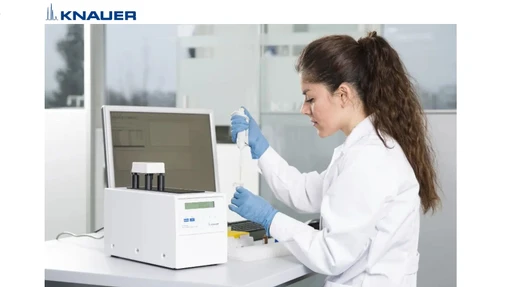
Everything to know about osmolality
Learn why osmolality is a critical quality parameter across pharmaceuticals, food production, biotechnology, and environmental science, and discover how the KNAUER K-7400S delivers fast, accurate measurements.
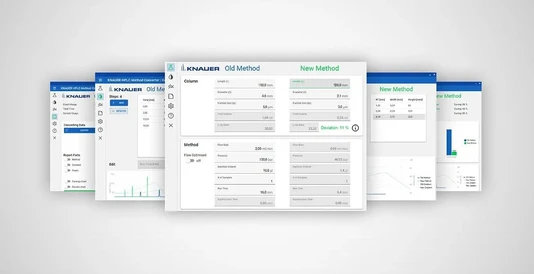
HPLC method conversion free and easy
Transfer HPLC methods to modern column dimensions with ease. Discover how the free KNAUER HPLC Method Converter simplifies method adaptation, supports USP compliance, and reduces solvent use.