Inactive
Agilent Approaches for Amino Acid Analysis
In this webinar we will take a look back at the history and current developments for AAA at Agilent. The will include the pros and cons of different approaches depending on your separation needs and goals.
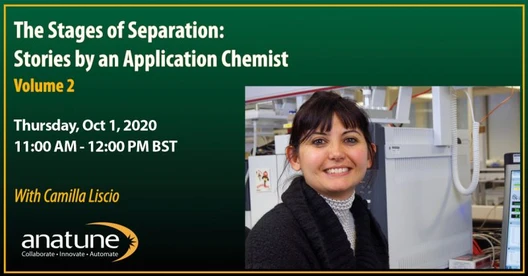
The Stages of Separation: Stories by an Application Chemist Volume 2
In this webinar, Camilla Liscio showcases the different degrees of separation (sample preparation, instrumental analysis and data processing) and their application to the varied analytical challenges in our Lab
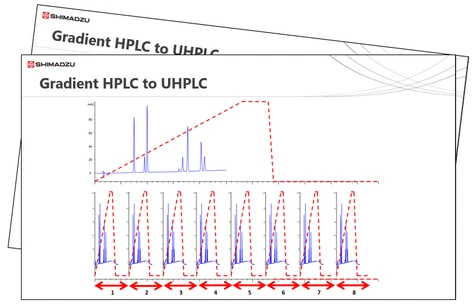
Shimadzu Advances in Liquid Chromatography - Session 3: UHPLC 2
This session will continue to look into UHPLC and a further study on gradient UHPLC.

New Analytical Strategies for the Determination of Food Quality and Safety by Automated Sample Preparation Coupled with 1D and 2D GC–MS
Separation Science, in collaboration with Markes International offers an upcoming eSeminar discussing the common problems associated with sample preparation for a variety of food applications.
Elevating quantitative and qualitative LC-MS analysis of pesticide residues to a new level with the new Exploris HRAM MS system
This presentation evaluates how improvements in scan speed, combining acquisition modes, software for faster data processing, provide increased confidence in analysis LC-amenable pesticide residues in food.
Method development for SPE utilizing new SOLA 30 mg cartridges
This webinar will show you how to develop an SPE method for LC-MS and GC-MS, which analyte and sorbent characteristics need to be taken into consideration and how to choose the right sorbent and format.
Overview of Sample Preparation Options for the Pharmaceutical Industry
In this webinar we will discuss different sample preparation options (dilution, filtration, and extraction) commonly used prior to chromatographic analysis and compare the benefits for each technique.
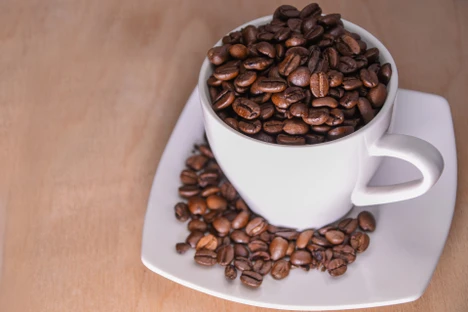
How do you prefer your Brew? LCMS and GCMS approaches to flavor discovery of coffee
In this webinar will discuss newly developed ‘untargeted’ chemical fingerprinting methods, coupled with multivariate analysis and also the optimizations of the sample introduction, GC, and MS parametrers.
Enhancing Sample Preparation using Accelerated Solvent Extraction (ASE) for GC Analysis
In this free webinar, we will have a look into how you can combine sample extraction and the selectivity in sample preparation in order to simplify the total workflow for GC and GCMS analysis.
Advance Your Lab Operation: Minimize Regulatory Risk by Moving to a Customized Instrument Qualification Solution
Changes to Regulatory requirements around AIQ have resulted in more responsibility for end-users of instruments to define and implement customized qualification solutions.
Related content
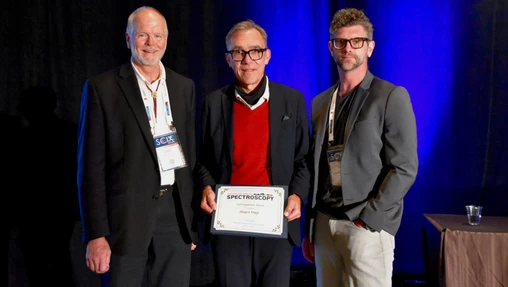
Jürgen Popp Receives Two International Honors
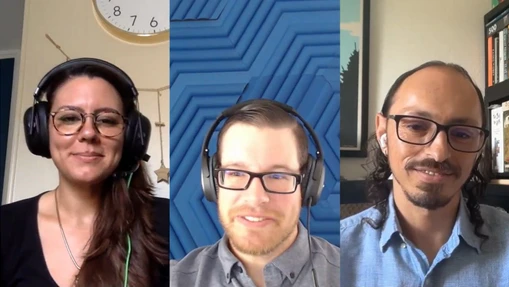
Untargeted Metabolomics & Aquatic Symbiosis: The MSCollaboratory Explained