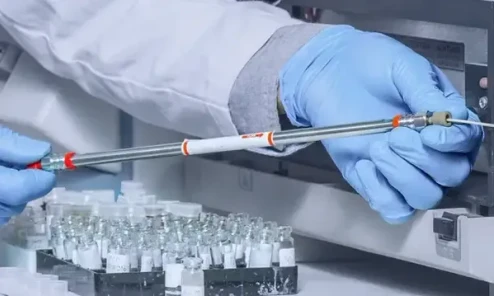


Biozen Peptide PS-C18 is a mixed-mode phase that combines a positively charged surface ligand and a C18 ligand. The result is an HPLC column phase that provides excellent retention for biologics.
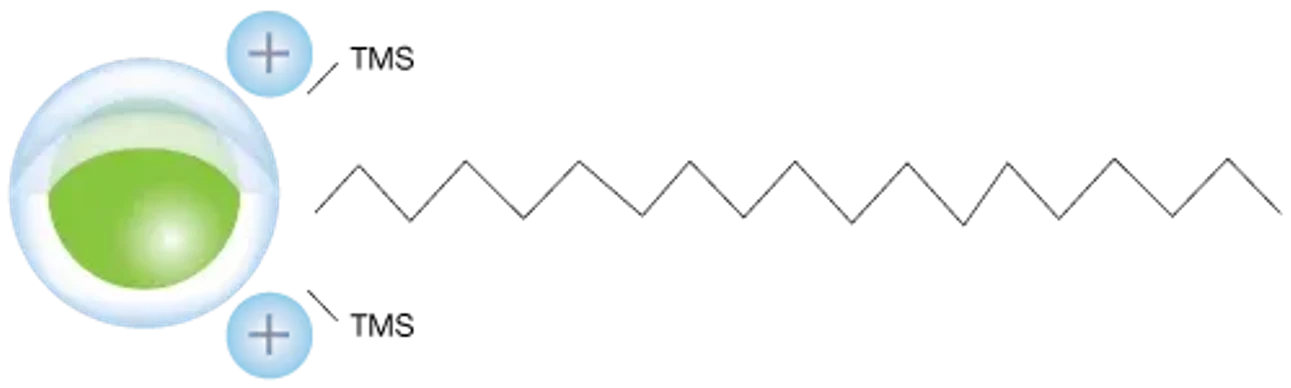 Phenomenex: Biozen Peptide-PS-C18 HPLC Column
- Separation Mode: Reversed Phase
- Pore size: 100
- Particle size: 1.6, 3
- Recommended Use: Excellent retention of peptides for both peptide mapping and peptide quantitation applications
Phenomenex Biozen Biologics LC Columns
With a new titanium BioTi™ biocompatible hardware to minimize priming, four particle platforms for optimal versatility and nine particle chemistries to maximize selectivity and sensitivity, Biozen UHPLC/HPLC columns for protein analysis are seamlessly designed to bring peace of mind to your analysis of biologics through:
- Charge Variant Analysis
- Aggregate Analysis
- Peptide Mapping
- Intact Mass Analysis
- Intact and Subunit Analysis
- Glycan Analysis
- Peptide Quantitation
- Drug Antibody Ratio (DAR)
- Oligonucleotide Characterization
Biocompatible Flow Path with BioTi™ Hardware
Keep your mind at ease knowing that we’ve minimized the need for priming with a new titanium infused biocompatible hardware and frit that doesn’t interfere with protein or peptide integrity!
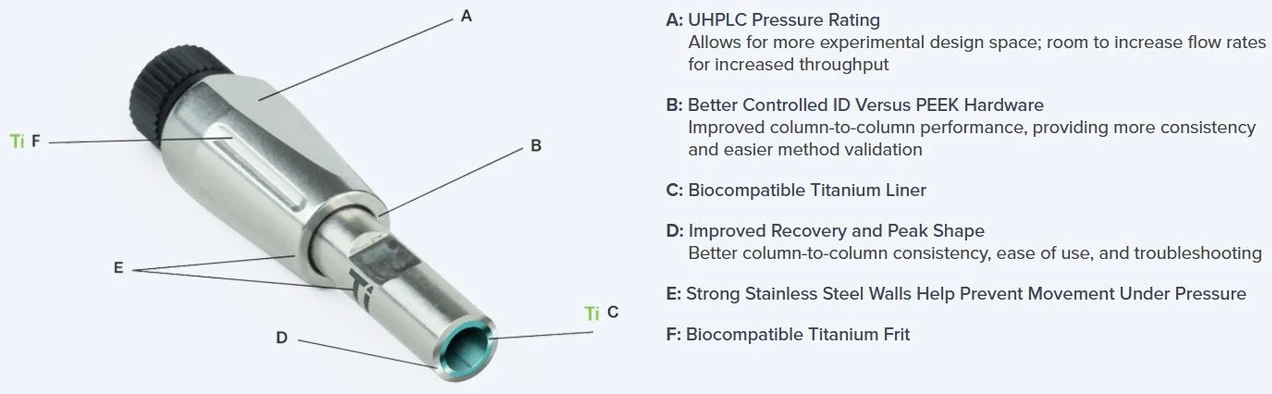 Phenomenex: BioTi Hardware
4 Advanced Particle Platforms
All four of the Biozen particle platforms were individually designed and built by Phenomenex to take advantage of integral levels of performance, ruggedness, and reproducibility for protein characterization applications. Individually, each platform differs in the proprietary processing techniques used to control particle size and morphology.
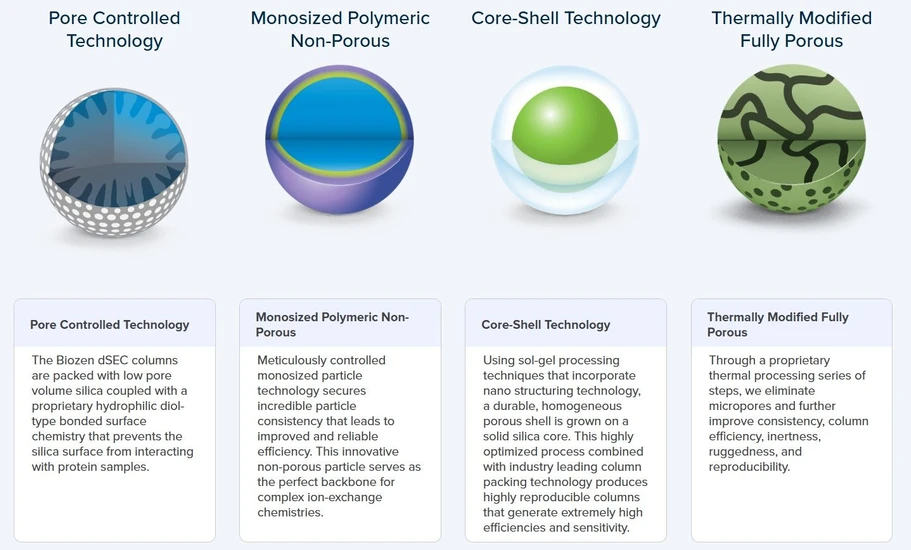 Phenomenex: Advanced Particle Platforms