
Zaměření
Type of News
Focus
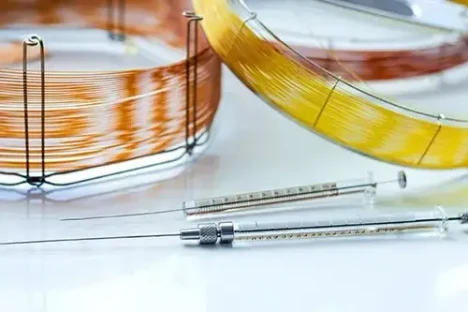
Understanding the Essential Components of Gas Chromatography
How does gas chromatography work? Explore the principles of GC separation, the main analytical steps, and the roles of the injection port, carrier gas, column, and detector.
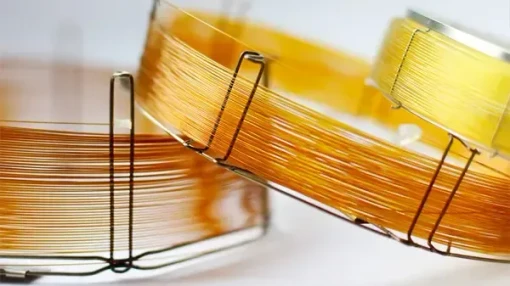
GC Columns - Troubleshooting & Maintenance
A practical guide to GC column troubleshooting. Learn how to identify and resolve peak tailing, loss of resolution, ghost peaks, baseline drift, sensitivity issues, and retention time shifts.
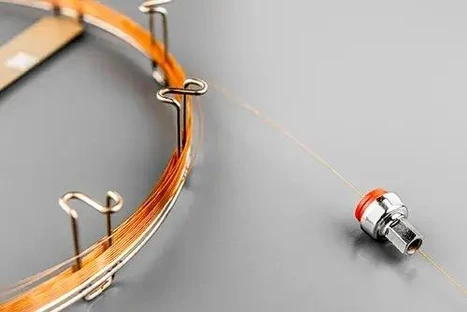
Water Injections in GC: Is it Safe?
Injecting water into a GC system can cause backflash, poor vaporization, detector issues, and stationary phase degradation. Learn how to minimize these risks with the right column and injection setup.
Comprehensive Two-Dimensional Gas Chromatography
Comprehensive two-dimensional gas chromatography (GC×GC) greatly expands separation power for complex mixtures. Explore its principles, applications, limitations, and future trends.
GC-MS: Principles of How it Works?
Learn how GC-MS combines gas chromatography and mass spectrometry for sensitive compound separation, identification, quantification, and structural analysis across a wide range of applications.

Water in GC: Safe or Risky? Here’s What You Need to Know
Are aqueous injections in GC really a problem? Overview of chemically bonded columns, backflash behavior, PEG “wax” phases, and best practices for water in GC workflows.
Trimming a GC Column: Purpose, Symptoms, and Proper Technique
GC column trimming helps resolve contamination, ghost peaks, baseline instability, and peak tailing. Learn key symptoms and the correct technique for proper column cutting.
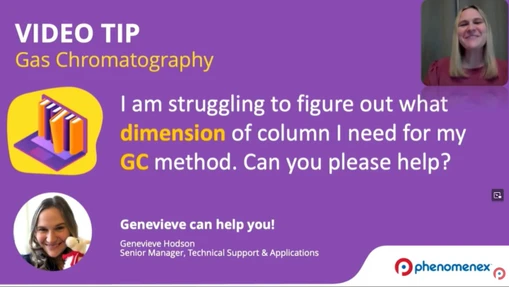
How to Choose GC Column Dimensions
Guidance on selecting key GC column parameters — length, internal diameter, and film thickness — and their influence on resolution, retention, run time, and sample capacity.
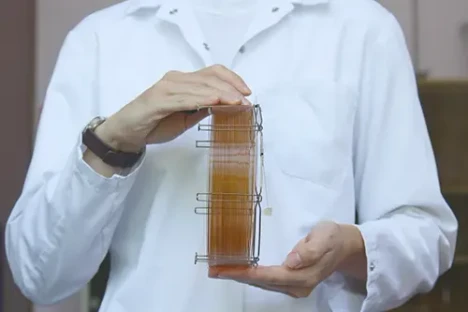
How to Protect Your GC Column - Part 2
How can you extend GC column lifetime and prevent contamination? Part 2 focuses on using liners with glass wool and proper column bake-out to maintain separation performance.
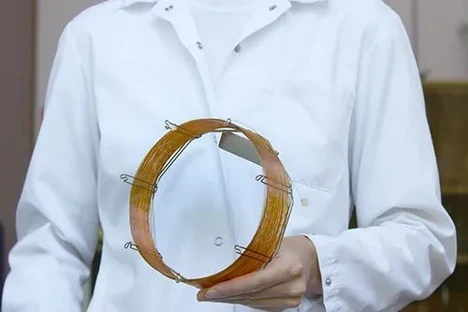
How to Protect Your GC Column - Part 1
Dirty samples can quickly damage your GC column and shorten its lifetime. Learn simple, proven ways to protect your column, improve performance, and reduce downtime. Part 1 focuses on smart sample preparation.