How to Protect Your GC Column - Part 1

We, 4.2.2026 | Original article from: Phenomenex
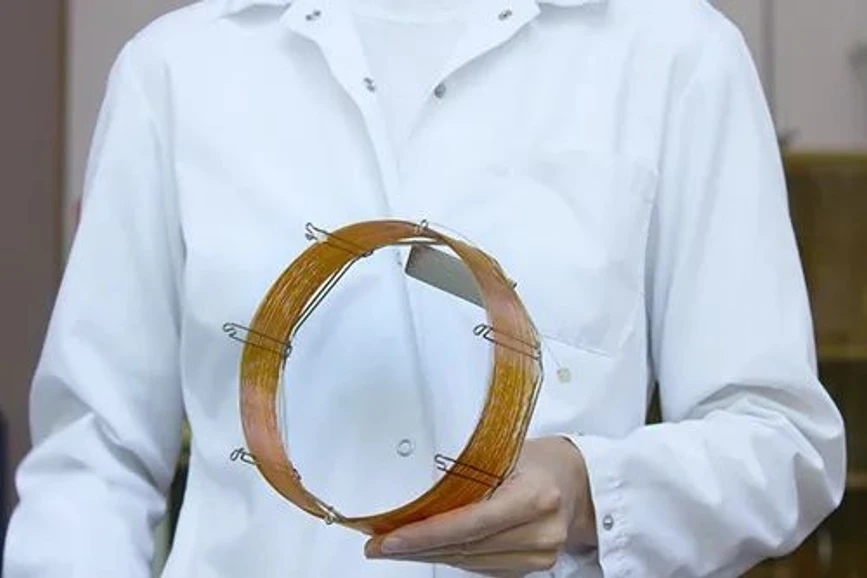
Dirty samples can quickly damage your GC column and shorten its lifetime. Learn simple, proven ways to protect your column, improve performance, and reduce downtime. Part 1 focuses on smart sample preparation.
<p><strong>Phenomenex: </strong>How to Protect Your GC Column - Part 1</p>

Phenomenex: How to Protect Your GC Column - Part 1

Protecting your GC column and instrument components from exposure to dirty samples is important. Non-volatile or high molecular weight components can contaminate the stationary phase, causing poor peak resolution, lower accuracy, and poor column lifetime. Cutting off the damaged portion of column tubing will often restore your column’s performance, but over time performance will degrade to a point where the column can no longer be used. If you are experiencing rapid degradation of column performance, there are several simple ways to help protect your column and increase its lifetime.

Ensure Proper Sample Preparation

Sample filtration and SPE products can help to eliminate or mitigate contaminants and matrix effects, resulting in longer column lifetimes and increased signal-to-noise ratios. Not only will proper sample preparation prolong the life of the analytical column, it will also protect your system and improve method accuracy by removing unwanted contaminants or particles. Sample filtration in particular, helps reduce system downtime and equipment replacement, resulting in time and money savings. Filtering samples before injection is one of the quickest (and easiest!) way to protect your GC column and lengthen lifetime.

Use A Guard or Integrated Guard Column

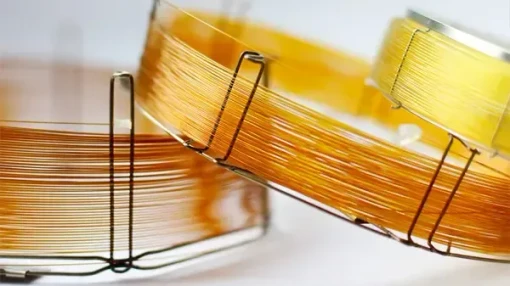
With integrated guard columns, unlike traditional guard columns, the guard is built directly into the analytical column in one continuous length of tubing. Traditional columns may be difficult to seal and can leak after normal column maintenance, whilst integrated guards such as the Zebron™ Guardian system provide the same inert column protection, but eliminate the possibility of leaks.

Traditional guard columns such as Zebron Z-Guard, are 5 or 10 meter pieces of deactivated tubing that are connected to an analytical column using a glass press-fit connector. The tubing acts like a trap for non-volatile residues that would otherwise damage the stationary phase of your analytical column.

In addition to providing column protection, traditional guard columns can also be used for solvent focusing, or for large volume injection when the guard section is long (8 to 10 meters). When using a traditional guard column, success lies in proper installation. Ensure that column ends are cut cleanly and that any polyimide resin used is cured.

Look out for our second part on how to protect your GC column next week!

Phenomenex
LinkedIn Logo
 

Related articles

How to Protect Your GC Column - Part 2
Article | Academy

How to Protect Your GC Column - Part 2

How can you extend GC column lifetime and prevent contamination? Part 2 focuses on using liners with glass wool and proper column bake-out to maintain separation performance.
Single-Ended HPLC Column by SIELC
Article | Product

Single-Ended HPLC Column by SIELC

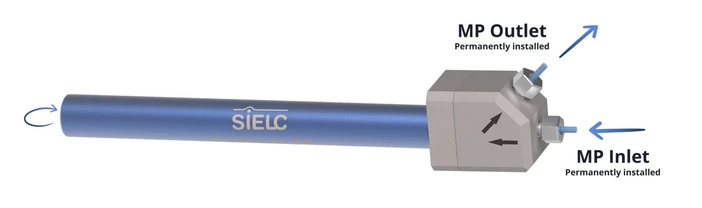
SIELC introduces a single-ended HPLC column that eliminates fittings, dead volume, and leaks. Discover a new connection standard that simplifies installation, improves reliability, and streamlines LC workflows.
Water Injections in GC: Is it Safe?
Article | Academy

Water Injections in GC: Is it Safe?

Injecting water into a GC system can cause backflash, poor vaporization, detector issues, and stationary phase degradation. Learn how to minimize these risks with the right column and injection setup.
GC Columns - Troubleshooting & Maintenance
Article | Academy

GC Columns - Troubleshooting & Maintenance

A practical guide to GC column troubleshooting. Learn how to identify and resolve peak tailing, loss of resolution, ghost peaks, baseline drift, sensitivity issues, and retention time shifts.
 

Related articles

How to Protect Your GC Column - Part 2
Article | Academy

How to Protect Your GC Column - Part 2

How can you extend GC column lifetime and prevent contamination? Part 2 focuses on using liners with glass wool and proper column bake-out to maintain separation performance.
Single-Ended HPLC Column by SIELC
Article | Product

Single-Ended HPLC Column by SIELC

SIELC introduces a single-ended HPLC column that eliminates fittings, dead volume, and leaks. Discover a new connection standard that simplifies installation, improves reliability, and streamlines LC workflows.
Water Injections in GC: Is it Safe?
Article | Academy

Water Injections in GC: Is it Safe?

Injecting water into a GC system can cause backflash, poor vaporization, detector issues, and stationary phase degradation. Learn how to minimize these risks with the right column and injection setup.
GC Columns - Troubleshooting & Maintenance
Article | Academy

GC Columns - Troubleshooting & Maintenance

A practical guide to GC column troubleshooting. Learn how to identify and resolve peak tailing, loss of resolution, ghost peaks, baseline drift, sensitivity issues, and retention time shifts.
 

Related articles

How to Protect Your GC Column - Part 2
Article | Academy

How to Protect Your GC Column - Part 2

How can you extend GC column lifetime and prevent contamination? Part 2 focuses on using liners with glass wool and proper column bake-out to maintain separation performance.
Single-Ended HPLC Column by SIELC
Article | Product

Single-Ended HPLC Column by SIELC

SIELC introduces a single-ended HPLC column that eliminates fittings, dead volume, and leaks. Discover a new connection standard that simplifies installation, improves reliability, and streamlines LC workflows.
Water Injections in GC: Is it Safe?
Article | Academy

Water Injections in GC: Is it Safe?

Injecting water into a GC system can cause backflash, poor vaporization, detector issues, and stationary phase degradation. Learn how to minimize these risks with the right column and injection setup.
GC Columns - Troubleshooting & Maintenance
Article | Academy

GC Columns - Troubleshooting & Maintenance

A practical guide to GC column troubleshooting. Learn how to identify and resolve peak tailing, loss of resolution, ghost peaks, baseline drift, sensitivity issues, and retention time shifts.
 

Related articles

How to Protect Your GC Column - Part 2
Article | Academy

How to Protect Your GC Column - Part 2

How can you extend GC column lifetime and prevent contamination? Part 2 focuses on using liners with glass wool and proper column bake-out to maintain separation performance.
Single-Ended HPLC Column by SIELC
Article | Product

Single-Ended HPLC Column by SIELC

SIELC introduces a single-ended HPLC column that eliminates fittings, dead volume, and leaks. Discover a new connection standard that simplifies installation, improves reliability, and streamlines LC workflows.
Water Injections in GC: Is it Safe?
Article | Academy

Water Injections in GC: Is it Safe?

Injecting water into a GC system can cause backflash, poor vaporization, detector issues, and stationary phase degradation. Learn how to minimize these risks with the right column and injection setup.
GC Columns - Troubleshooting & Maintenance
Article | Academy

GC Columns - Troubleshooting & Maintenance

A practical guide to GC column troubleshooting. Learn how to identify and resolve peak tailing, loss of resolution, ghost peaks, baseline drift, sensitivity issues, and retention time shifts.