Water in GC: Safe or Risky? Here’s What You Need to Know
Th, 14.5.2026 | Original article from: Phenomenex
Are aqueous injections in GC really a problem? Overview of chemically bonded columns, backflash behavior, PEG “wax” phases, and best practices for water in GC workflows.
<p><strong>Phenomenex: </strong>Water in GC: Safe or Risky? Here’s What You Need to Know</p>

Phenomenex: Water in GC: Safe or Risky? Here’s What You Need to Know

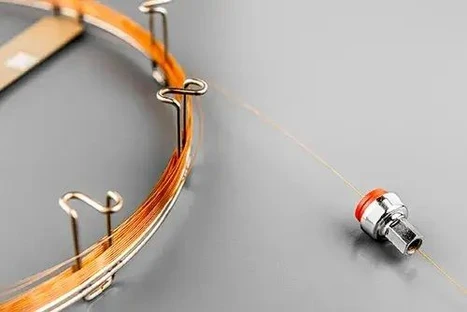
Concerns about injecting water into a GC system largely come from older column designs, where stationary phases were simply coated and could be affected by water exposure. Modern capillary columns are typically chemically bonded, which improves resistance to water injections and even supports water rinsing in many cases.

One practical exception involves very polar polyethylene glycol (PEG / “wax”) phases. Because these phases strongly interact with water, repeated aqueous injections can allow water to accumulate and gradually shift selectivity. For many PEG-based columns, minimizing frequent water injections helps maintain consistent performance.

A separate—and often more important—issue is water’s very large vapor expansion in a hot inlet. If the vapor volume exceeds the inlet liner capacity, backflash can occur, sending sample vapor into cooler, unheated zones and increasing the risk of carryover. Using smaller injection volumes helps reduce this risk.

In workflows where water is the sample matrix (for example, volatile analysis), analytes may elute at relatively low oven temperatures while water and higher-boiling residues can linger. Periodic bake-off (high-temperature cleanup steps) is commonly used to restore column performance when water remains on the phase at low temperatures.

In summary, the biggest hesitation about water injections is rooted in legacy, coated column stories. With chemically bonded phases, the key considerations tend to be inlet expansion/backflash behavior, water retention on very polar phases, and routine maintenance practices like bake-out.

Zebron ZB-WAXPLUS GC Columns

  • 100% aqueous stable, excellent for aqueous samples; bonded and solvent rinseable
  • Extremely inert for acidic compounds
  • Enhanced selectivity for low boiling solvents; high retention of alcohols and chlorinated solvents
  • Increased efficiency at 20 °C
Phenomenex
LinkedIn Logo
 

Related articles

News from LabRulezGCMS Library - Week 13, 2025
Article | Application

News from LabRulezGCMS Library - Week 13, 2025

This week we bring you application notes by Agilent Technologies, Shimadzu and Thermo Fisher Scientific!
News from LabRulezGCMS Library - Week 16, 2025
Article | Application

News from LabRulezGCMS Library - Week 16, 2025

This week we bring you application notes by Agilent Technologies, Shimadzu and poster by University of Copenhagen / MDCW!
News from LabRulezGCMS Library - Week 45, 2025
Article | Application

News from LabRulezGCMS Library - Week 45, 2025

This week we bring you applicaton notes by Agilent Technologies, EST Analytical and Thermo Fisher Scientific and poster by Shimadzu!
Water Injections in GC: Is it Safe?
Article | Academy

Water Injections in GC: Is it Safe?

Injecting water into a GC system can cause backflash, poor vaporization, detector issues, and stationary phase degradation. Learn how to minimize these risks with the right column and injection setup.
 

Related articles

News from LabRulezGCMS Library - Week 13, 2025
Article | Application

News from LabRulezGCMS Library - Week 13, 2025

This week we bring you application notes by Agilent Technologies, Shimadzu and Thermo Fisher Scientific!
News from LabRulezGCMS Library - Week 16, 2025
Article | Application

News from LabRulezGCMS Library - Week 16, 2025

This week we bring you application notes by Agilent Technologies, Shimadzu and poster by University of Copenhagen / MDCW!
News from LabRulezGCMS Library - Week 45, 2025
Article | Application

News from LabRulezGCMS Library - Week 45, 2025

This week we bring you applicaton notes by Agilent Technologies, EST Analytical and Thermo Fisher Scientific and poster by Shimadzu!
Water Injections in GC: Is it Safe?
Article | Academy

Water Injections in GC: Is it Safe?

Injecting water into a GC system can cause backflash, poor vaporization, detector issues, and stationary phase degradation. Learn how to minimize these risks with the right column and injection setup.
 

Related articles

News from LabRulezGCMS Library - Week 13, 2025
Article | Application

News from LabRulezGCMS Library - Week 13, 2025

This week we bring you application notes by Agilent Technologies, Shimadzu and Thermo Fisher Scientific!
News from LabRulezGCMS Library - Week 16, 2025
Article | Application

News from LabRulezGCMS Library - Week 16, 2025

This week we bring you application notes by Agilent Technologies, Shimadzu and poster by University of Copenhagen / MDCW!
News from LabRulezGCMS Library - Week 45, 2025
Article | Application

News from LabRulezGCMS Library - Week 45, 2025

This week we bring you applicaton notes by Agilent Technologies, EST Analytical and Thermo Fisher Scientific and poster by Shimadzu!
Water Injections in GC: Is it Safe?
Article | Academy

Water Injections in GC: Is it Safe?

Injecting water into a GC system can cause backflash, poor vaporization, detector issues, and stationary phase degradation. Learn how to minimize these risks with the right column and injection setup.
 

Related articles

News from LabRulezGCMS Library - Week 13, 2025
Article | Application

News from LabRulezGCMS Library - Week 13, 2025

This week we bring you application notes by Agilent Technologies, Shimadzu and Thermo Fisher Scientific!
News from LabRulezGCMS Library - Week 16, 2025
Article | Application

News from LabRulezGCMS Library - Week 16, 2025

This week we bring you application notes by Agilent Technologies, Shimadzu and poster by University of Copenhagen / MDCW!
News from LabRulezGCMS Library - Week 45, 2025
Article | Application

News from LabRulezGCMS Library - Week 45, 2025

This week we bring you applicaton notes by Agilent Technologies, EST Analytical and Thermo Fisher Scientific and poster by Shimadzu!
Water Injections in GC: Is it Safe?
Article | Academy

Water Injections in GC: Is it Safe?

Injecting water into a GC system can cause backflash, poor vaporization, detector issues, and stationary phase degradation. Learn how to minimize these risks with the right column and injection setup.