
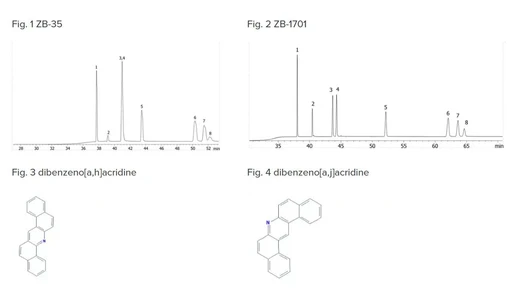
Good Column Selection: Polarity vs Selectivity
Understanding GC column polarity and selectivity is key to achieving optimal separations. Learn how to choose the right stationary phase for your compounds and improve chromatographic performance.
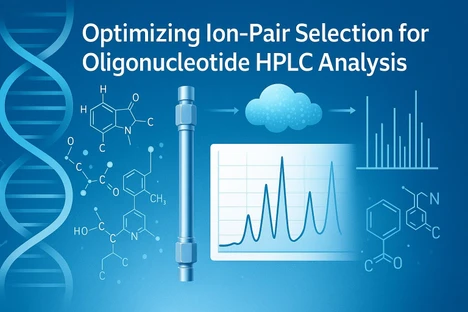
Method Development Strategies for Oligonucleotides
Learn how the choice and concentration of alkylamine ion-pair agents affect oligonucleotide retention and detection in HPLC. Explore method optimization with Phenomenex Biozen™ Oligo columns.
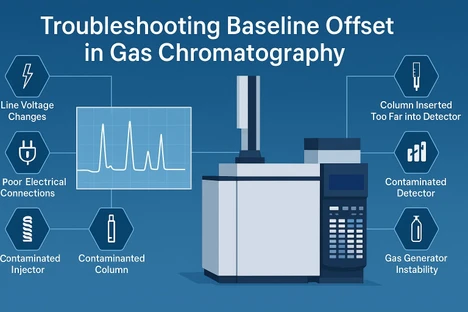
Phenomenex technical tip for Baseline problems - offset
Learn how to fix baseline offset in gas chromatography. Identify causes like voltage changes, contamination, or gas flow issues and apply targeted maintenance for stable results.
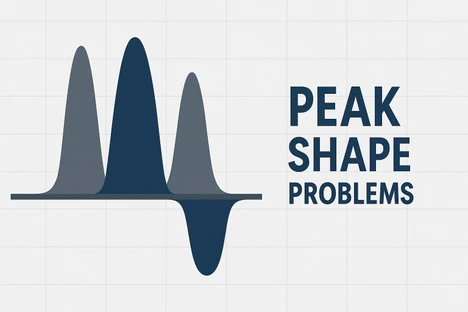
Peak Shape Problems in Gas Chromatography
Negative peaks in GC can affect your analysis accuracy. Learn about the main causes, from detector overload to contamination, and how to correct them effectively.
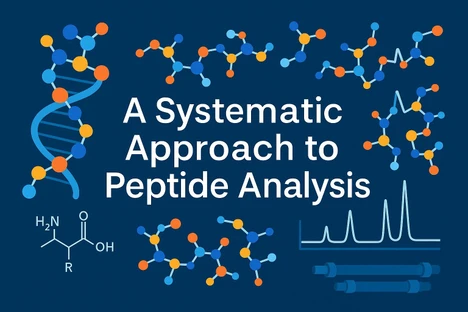
A Systematic Approach to HPLC Peptide Analysis
Learn how to develop robust HPLC methods for peptide analysis using systematic screening of column chemistry, pH, and gradients for optimal selectivity and reproducibility.
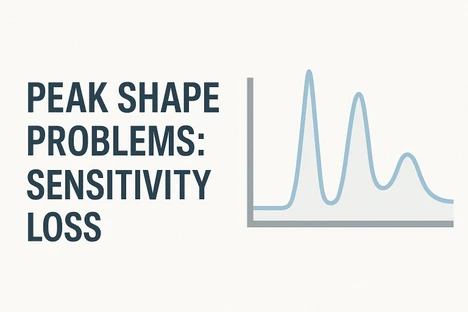
Peak Shape Problems: Sensitivity Loss
Learn how to identify and fix sensitivity loss in GC. Discover key causes, from column contamination to injector leaks, and apply remedies for reliable, accurate results.

LC System Optimisation for UHPLC Performance on any HPLC
Discover practical tips to optimise LC systems for UHPLC performance on any HPLC. Learn how to reduce peak broadening, improve efficiency, and shorten runtimes.
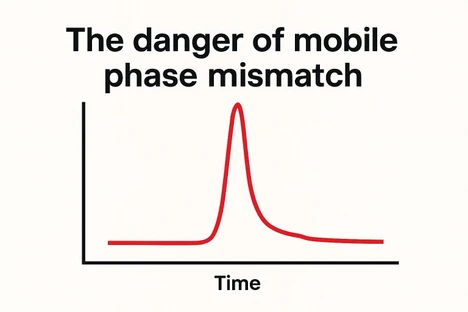
The danger of mobile phase mismatch
After SPE, samples may not be ready for direct LC injection. Solvent mismatch with the mobile phase can distort peak shapes—proper solvent choice is essential.

Column contamination – what is happening, and how it can be avoided
Column contamination is a leading cause of shortened HPLC column lifetime, leading to high back pressure. Learn why it happens and how to prevent blocked frits with simple precautions.