Active
Inactive
GCMS webinars focusing on Pyrolysis - page 1
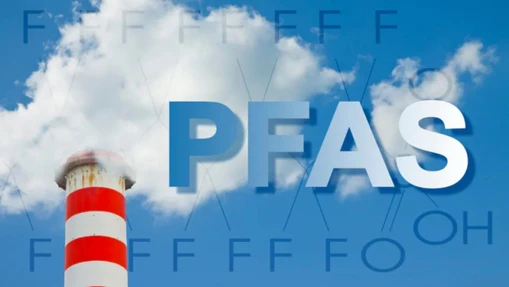
Volatile PFAS Analysis for Industrial Monitoring: From Materials Emissions to PFAS Destruction
Volatile PFAS analysis with TD-GC-MS and GC-HRMS! Implement ASTM D8591-24 and EPA OTM-50 standards for material emissions and PFAS destruction.

Quantification and Identification of Microplastics in Environmental Samples and Air by Pyrolysis-GC/MS
Learn how Pyrolysis-GC/MS enables qualitative and quantitative microplastics analysis in complex environmental samples, from sample preparation and calibration to robust GC/MS detection.
From Unknown Ingredients to Product Insights: Cosmetic Deformulation Using Py-GC-MS
Discover how Py-GC/MS supports cosmetic deformulation by identifying unknown ingredients and turning complex analytical data into actionable compositional insights.
Landscape of Standardization and Overview of Analytical Techniques Used for Microplastics Analysis
Explore the latest trends in microplastics analysis, including analytical standards, molecular spectroscopy, Py-GC/MS, TD-GC/MS, and future developments for reliable results.
Finding What's Different: Detecting Subtle Variations in Similar Rubber Materials Using Py-GC-MS
Discover how Py-GC/MS reveals subtle formulation differences in similar rubber materials and supports product quality, troubleshooting, and manufacturing consistency.
When Materials Look Identical: Distinguishing Nylon Copolymers from Polymer Blends Using Multi-Mode Py-GC-MS
Discover how multi-mode Py-GC-MS differentiates nylon copolymers from polymer blends and reveals structural differences for more confident materials characterization.
Navigating PFAS Restrictions in Packaging and Packaging Waste (PPRW) with Py-GC-MS
Discover how Py-GC-MS can support PFAS-related screening of food-contact materials and packaging, helping laboratories respond to emerging PPWR compliance requirements.
Confident Microplastics Analysis in Food with Py-GC Orbitrap MS
Discover how Py-GC Orbitrap MS enables confident identification and quantification of microplastics in complex food and environmental samples using targeted and non-targeted workflows.
Analyzing Microplastics in Complex Biological Samples Using Py-GC-HRMS
Discover how Py-GC-HRMS improves microplastics analysis in complex biological samples through enhanced selectivity, sensitivity, and confident compound identification.
Software Workflows for Environmental Microplastics Analysis by Py-GC-MS
Learn how integrated Chromeleon CDS and F-Search software streamline Py-GC-MS workflows for microplastics, from polymer identification and quantitation to data review and reporting.
Related content

Breathomics, Asthma & GC×GC: PH Stefanuto on Fighting the “Proof‑of‑Concept” Trap
Equip Your Laboratory for Autumn at a Better Price