Th, 15.10.2026 | Original article from: Phenomenex
Discover how gas chromatography supports forensic investigations, from drug detection and toxicology to arson analysis. Explore its applications, benefits, and limitations.Role of Gas Chromatography in Forensics
Phenomenex: Role of Gas Chromatography in Forensics
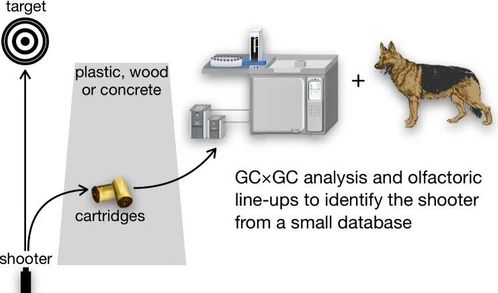
Gas chromatography (GC) is an analytical technique used to separate and analyze compounds that can be vaporized without decomposition. In forensic science, GC is invaluable for identifying and quantifying substances present in various types of evidence.
Gas chromatography offers several advantages that make it indispensable in forensic science:
- GC can detect and identify minute quantities of substances, even at trace levels, allowing forensic scientists to analyze small samples effectively.
- It is capable of analyzing a wide range of volatile and semi-volatile compounds, making it suitable for various types of forensic evidence, including drugs, explosives, and environmental samples.
- GC provides precise measurements of compound concentrations, which is essential for determining levels of substances such as blood alcohol content or drug quantities in forensic toxicology reports.
- It can quickly separate and analyze compounds, enabling timely processing of forensic evidence, which is crucial in criminal investigations.
- Combining GC with mass spectrometry enhances the ability to identify compounds with high accuracy, even in complex mixtures, by providing both separation and molecular identification.
These advantages make gas chromatography a powerful tool in forensic investigations, aiding in the accurate detection and analysis of chemical substances found at crime scenes.
How Gas Chromatography Works?
In simple terms, gas chromatography involves the following steps:
- Sample Introduction: A small amount of the sample is injected into the chromatograph.
- Vaporization: The sample is heated and vaporized.
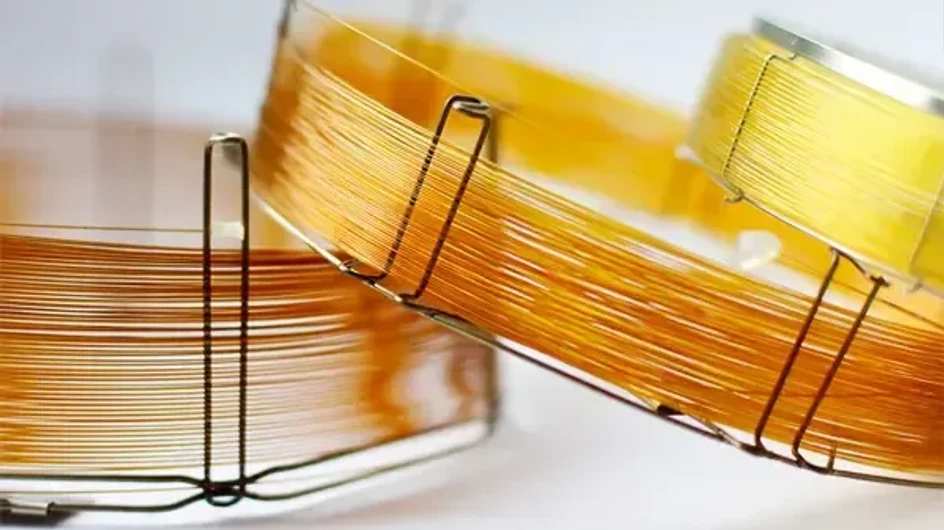
- Carrier Gas: An inert gas, such as helium or nitrogen, carries the vaporized sample through a column containing a stationary phase.
- Separation: As the sample moves through the column, its components interact differently with the stationary phase, causing them to separate based on their chemical properties.
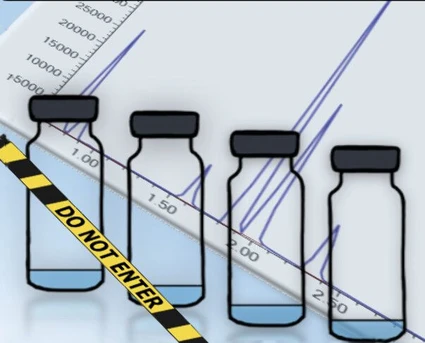
- Detection: Separated compounds exit the column and are detected, producing a chromatogram - a visual output that displays the presence and quantity of each component.
Applications of Gas Chromatography in Forensics
GC is an important l tool in forensic science, offering a wide range of applications that aid in the investigation and resolution of criminal cases. Here are some of the key applications:
Drug Analysis and Toxicology
- Drug Detection: GC is used to identify and quantify drugs in biological samples such as blood, urine, or hair. This helps determine if a suspect was under the influence during a crime and aids in postmortem toxicology to establish the cause of death.
- Toxicology: GC helps detect toxic substances like poisons, which is vital for determining the cause of death and intent in criminal cases.
Arson Investigations
GC is used to analyze fire debris for accelerant residues, helping investigators determine the cause of fires and identify potential arson.
Crime Scene Analysis
GC can analyze samples from crime scenes, such as blood or fibers, to identify substances and potentially link suspects to the scene.
Forensic Pathology
GC helps analyze bodily fluids to determine if alcohol, drugs, or poisons were present at the time of death, aiding in pathology conclusions.
Forensic laboratories utilize advanced forensic toxicology solutions to detect and analyze toxins and drugs in biological samples. Among these, gas chromatography techniques are essential for separating and identifying volatile compounds in complex mixtures, enhancing the accuracy of toxicological analyses.
Challenges of Using GC in Forensics
Despite its advantages, there are several challenges and considerations that forensic scientists must address when using GC in their investigations.
- One of the primary limitations of GC is the coelution of compounds, where multiple substances elute from the column at the same time, making it difficult to separate, identify and quantity them correctly.
- GC requires careful sample preparation, including extraction and cleanup procedures, which can be time-consuming and require specialized equipment and expertise. This complexity can delay analysis and increase costs.
- GC is primarily suited for the analysis of volatile and semi-volatile organic compounds. It is not suitable for many types of inorganic compounds or biopolymers, limiting its applicability in certain forensic contexts.
- The presence of certain compounds in the sample can interfere with the accuracy of GC analysis, leading to false positives or false negatives. Additionally, matrix effects can affect the reliability of the results, requiring careful sample preparation and the use of internal standards to minimize these issues.
Important Factors to Consider When Using GC for Forensics
- Ensuring that GC instruments are properly calibrated and validated is crucial for obtaining reliable results. Regular maintenance and quality control measures are essential to prevent instrument drift and ensure consistency in analysis. Specialized gas chromatography products are employed, ensuring precise and reliable results in forensic investigations.
- The interpretation of GC data requires expertise, as the chromatograms can be complex, especially in cases involving mixtures of substances. Experienced analysts are needed to accurately identify and quantify components.
- Forensic GC analyses must comply with legal standards and regulations. This includes adhering to specific protocols for sample handling, analysis, and reporting to ensure that evidence is admissible in court.
- Combining GC with other analytical techniques, such as mass spectrometry (MS), can enhance its capabilities. For example, GC-MS is widely used in forensic analysis due to its ability to provide detailed information about the molecular weight and elemental composition of compounds.
By understanding these challenges and considerations, forensic scientists can effectively utilize GC to analyze evidence.