
Zaměření
Type of News
Focus
Article | Environment
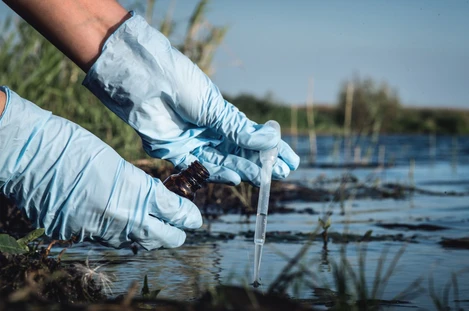
The Importance of Detecting Polychlorinated Biphenyls (PCBs)
Polychlorinated biphenyls (PCBs) remain a major health and environmental concern decades after their ban. Explore their sources, exposure pathways, and key EPA detection methods.
Article | Environment
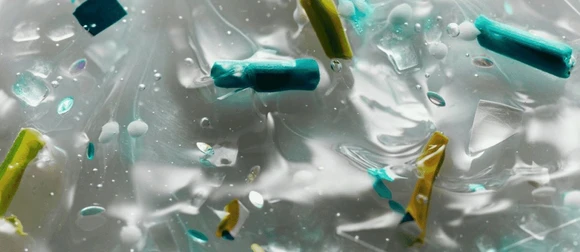
Surpassing the Limits of Traditional Microplastic Analysis Methods with Thermal Desorption and Pyrolysis GCxGC-TOFMS
FTIR and Raman spectroscopy have their limits in microplastic analysis. Thermal desorption, pyrolysis, and GCxGC-TOFMS provide more detailed information about sample composition.
Article | Environment
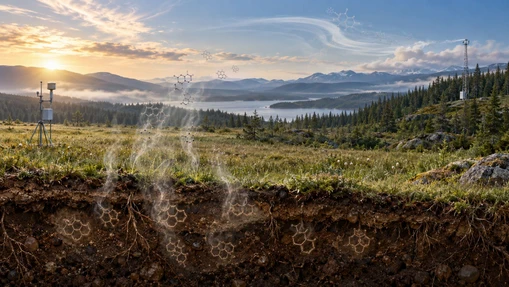
Study reveals an unexpectedly large contribution to air pollution from soils
A study involving RECETOX reveals that soils can re-emit polycyclic aromatic compounds into the air. In Finland, these emissions may rival those from industry, household heating and traffic.
Article | Environment
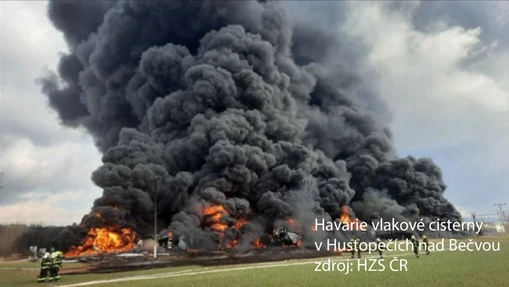
Science on the Front Lines: Cleanup of a Benzene Spill
CXI TUL researchers tested in situ chemical oxidation to remediate benzene contamination after the Hustopeče nad Bečvou train accident and identified the most suitable treatment for field use.
Article | Science and research
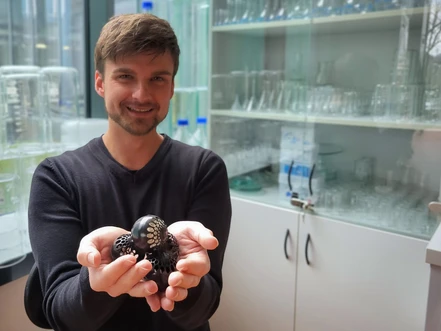
Beads with a nanofiber core. This is a better way to purify water.
The HYMNA project combines MBR and MBBR technologies with nanofiber biomass carriers to improve ammonia nitrogen removal and enable modular wastewater treatment.

Article | Academy
Micro-Snyder Column vs Nitrogen Blowdown: Choosing the Right Concentration Method for EPA Applications
Micro-Snyder column or nitrogen blowdown? Explore the advantages, limitations, and EPA applications of two widely used concentration techniques for environmental and trace analysis.
Article | Product
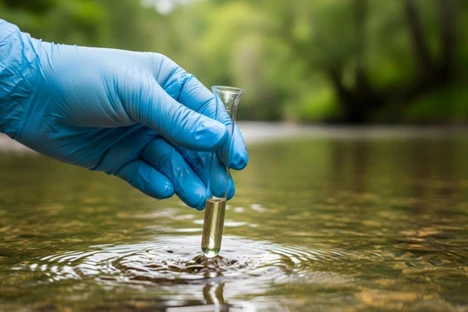
Tackling Today’s Toughest Pollutants: Emerging POPs Analysis With GC-MS Technology
Persistent organic pollutants (POPs) are a growing challenge for environmental laboratories. Discover how GC-HRAM MS and non-targeted screening help identify both regulated and previously unknown contaminants.
Scientific article | Science and research
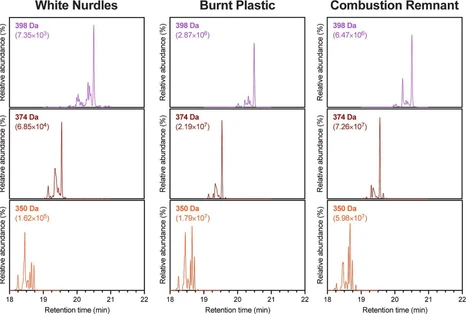
Gas Chromatography-Atmospheric Pressure Chemical Ionization (GC-APCI) Expands the Analytical Window for Detection of Large PAHs (≥24 Ringed-Carbons) in Pyroplastics and Other Environmental Matrices
This study develops a GC-APCI-MS/MS method for detecting large PAHs in pyroplastics, identifying potential markers of burned plastic pollution.

Interview | Science and research
Tracking Toxic PCBs in River Water using Gas Chromatography–Electron Capture Detection
Francais Femi Oloy discusses PCB monitoring in Nigerian rivers, including GC-ECD analysis, liquid–liquid extraction, sample cleanup, and challenges in trace pollutant detection.
Article | Laboratories
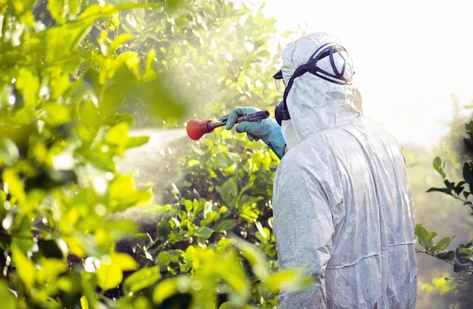
EU Regulation 396/2005: Pesticide Residue Testing and the Critical Role of QuEChERS Evaporation in Food Safety
How precise concentration of QuEChERS extracts helps laboratories meet EU Regulation 396/2005 requirements in pesticide residue analysis.