

The XBridge Protein BEH C4 column is QC tested and optimized to separate proteins based on size, hydrophobicity and isoelectric point. If you compare to traditional C18 phases, the C4 ligand is less retentive and will minimize protein carryover, increase protein recovery, and improve peak capacity.
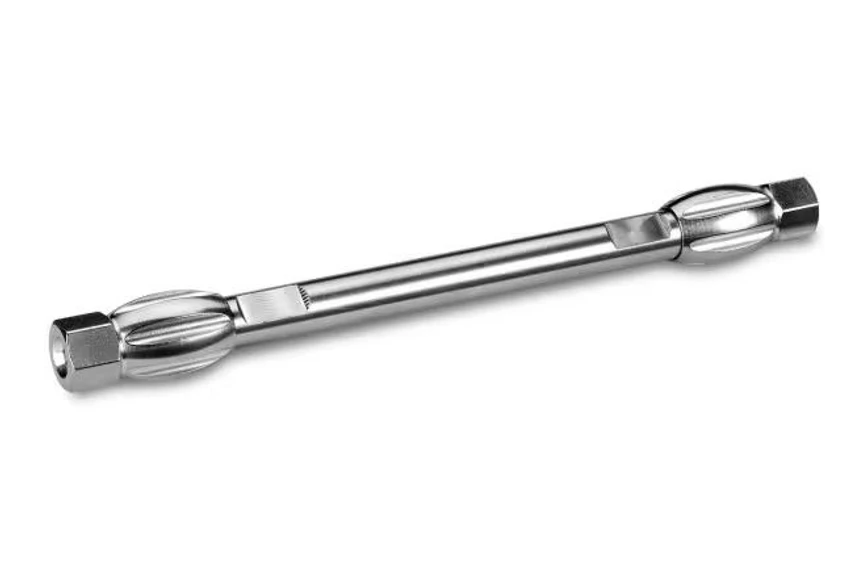 Waters: XBridge BEH Protein C4 HPLC Columns
Specifications
- Chemistry: C4
- Separation Mode: Reversed Phase
- Particle Substrate: Hybrid
- pH Range Min: 2 pH
- pH Range Max: 10 pH
- Maximum Pressure: 6000 psi (415 Bar)
- Endcapped: No
- Silanol Activity: Low
- Molecular Weight Range Max: 150000
- Particle Shape: Spherical
- System: HPLC
- Particle Technology: BEH
- USP Classification: L26
- Carbon Load: 8 %
XBridge Columns
Particle stability and performance for methods development
Withstanding extreme operating conditions like high pH and high temperatures is essential for methods development. XBridge HPLC and UHPLC Columns utilize Ethylene Bridged Hybrid (BEH) Particle Technology and are built to withstand high pH, high temperatures, and other extreme operating conditions like volatile eluents, for a wide range of small molecule and biomolecule LC-MS analysis.
XBridge HPLC and UHPLC Columns are available in a broad range of sorbent particles and sizes: XBridge eXtended Perfomance (XP) 2.5 µm Columns for rapid analytical UHPLC separations; 3.5 and 5 µm HPLC columns for reliable analytical method development; and 5 and 10 µm optimum bed density (OBD) preparative columns for purification chromatography.
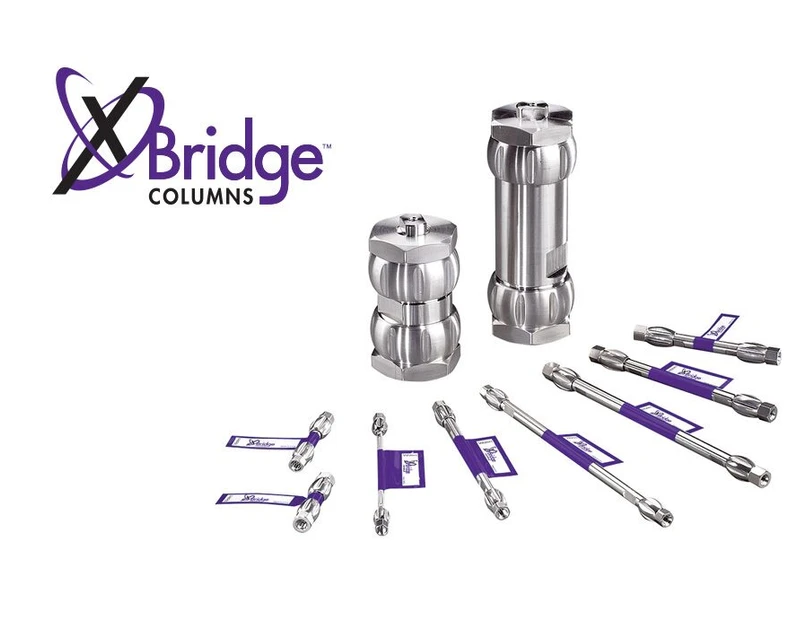 Waters: XBridge Columns