
Zaměření
Type of News
Focus
News from LabRulezLCMS Library - Week 10, 2026
This week we bring you application notes by KNAUER, Shimadzu, Thermo Fisher Scientific and Waters Corporation and technical note by Agilent Technologies!
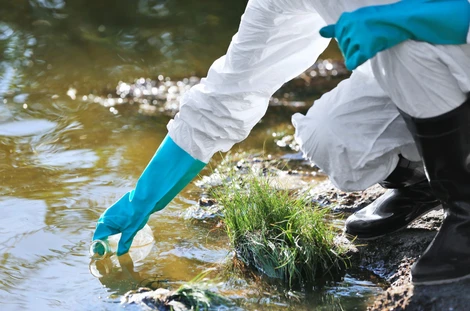
Meeting EU Drinking Water Standards: The Critical Role of Sample Prep in Trace Contaminant Analysis
EU Drinking Water Directive 2020/2184 sets ultra-low limits for pesticides, PFAS, metals and endocrine disruptors. Learn how SPE and nitrogen evaporation enable LC-MS/MS compliance at ng/L levels.
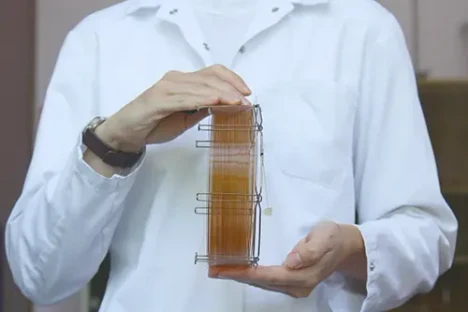
How to Protect Your GC Column - Part 2
How can you extend GC column lifetime and prevent contamination? Part 2 focuses on using liners with glass wool and proper column bake-out to maintain separation performance.
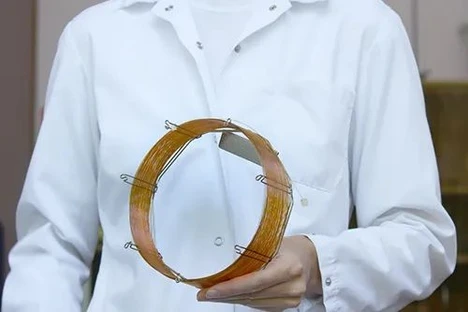
How to Protect Your GC Column - Part 1
Dirty samples can quickly damage your GC column and shorten its lifetime. Learn simple, proven ways to protect your column, improve performance, and reduce downtime. Part 1 focuses on smart sample preparation.
Efficient Sample Concentration for Micropollutant Surveillance Under EU Directive 2024/3019
How the EU’s revised Urban Wastewater Treatment Directive is driving demand for ultra-sensitive LC-MS/MS workflows—and why nitrogen evaporation is critical for reliable micropollutant monitoring.