Active
Inactive
ICPMS webinars focusing on ICP/MS - page 1
Trace Metal Determination by ICP-MS in Extractable and Leachable Analysis
Quantify trace metals in E&L studies. Learn how ICP-MS enables ultra-trace elemental analysis for ICH/USP compliance.

One Element, Multiple Solutions: A Practical Guide To IC, LC-ICP-MS and LA-ICP-MS
Learn how to choose between ICP-MS, LC-ICP-MS, ion chromatography, and LA-ICP-MS for total element analysis, speciation, ionic species, and elemental imaging.
5 Reasons why you should modernize your ICP-MS
Join our webinar on modernizing your ICP-MS. Discover recent hardware and software innovations that boost laboratory productivity and efficiency.
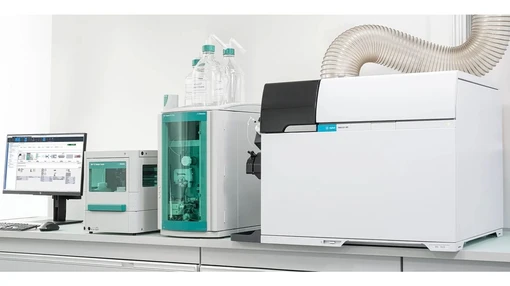
Speciation of Chromium by IC-ICP-MS
Are you measuring toxic Cr(VI)? Discover how hyphenated IC-ICP-MS delivers precise speciation per ISO 24384.
Trace Elemental Analysis: Ask the Expert
Having challenges with ICP-OES or ICP-MS? Join this live Q&A session and ask trace elemental analysis experts about standards, sample prep, and analytical issues.
Improving Resolution of Single Nanoparticles with Agilent 9500 ICP-MS
Unlock ultra-fast single nanoparticle detection. Join us to master 50 µs dwell times on the Agilent 9500 ICP-QQQ.
Trace Metal Determination by Inductively Coupled Plasma Mass Spectrometry in Extractable and Leachable analysis
Concerned about elemental impurities leaching from packaging? Discover ICP-MS workflows for ultra-trace E&L detection under ICH/USP.

Why fast, reliable trace‑element analysis starts with triple‑quad ICP‑MS
Join the Agilent TechTalk on triple-quad ICP-MS 9500. Learn how to accelerate trace-element analysis and eliminate spectral interferences.
Analysis of High Purity Titanium Using an Agilent 9500 ICP-QQQ
Analyze trace impurities in high-purity titanium. Learn how the Agilent 9500 ICP-QQQ overcomes titanium matrix effects.
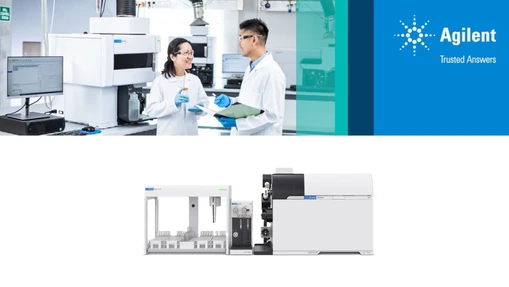
ICP-MS for Hybrid Photoelectrode Characterization
Quantify catalyst loading on hybrid photoelectrodes. Discover how Agilent 7850 ICP-MS supports solar fuel research.
Related content
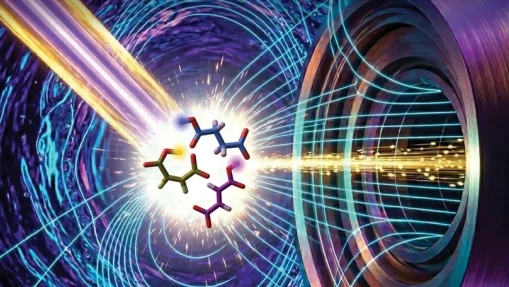
Proton sharing in polycarboxylic acids in aqueous solution
Equip Your Laboratory for Autumn at a Better Price