
Inactive

Productive Analysis of High Matrix Samples using ICP-MS with the Integrated Advanced Dilution System
This discussion will go in depth into how the fully integrated Auto Dilution System (ADS 2) can streamline your ICP-MS workflow.
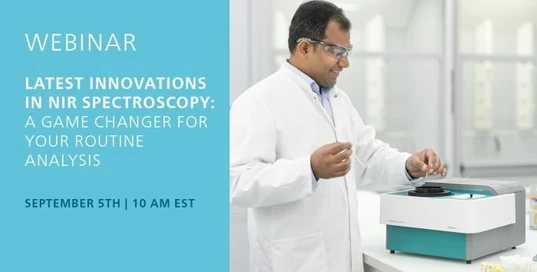
Latest Innovations in Near-Infrared Spectroscopy and how they can be a Game Changer for your Routine Analysis
After a quick recap of the basics of NIR spectroscopy, we will show features like automatic model development, precise temperature control, and more that bring good vibrations to the QC laboratory.

Demystifying USP & ICHQ3D Guidelines for Elemental Impurities
Elemental impurities as per USP 232/USP 233 and ICHQ3D.
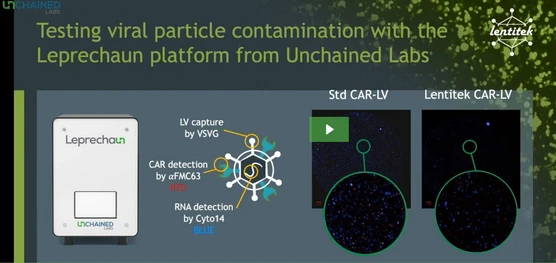
Preventing the danger of unwanted CAR expression during lentivirus production
Join this exclusive webinar to discover advanced strategies for enhancing the quality of lentiviral (LV) vectors in cell therapy manufacturing.
Materials Characterization with Lab X-ray Emission Spectroscopy (XES)
In this session, we will highlight laboratory XES capabilities in two energy regimes: hard X-ray (4.5-20 keV) and tender X-ray (2-5 keV).
Increasing Lab Productivity with Thermo Scientific iSC-65 with StepAhead for ICP
Find out how StepAhead can help you get analysis done quicker and save money!
The Cellular Itinerary of Renal Aquaporin-2 Shuttling with 4.5x Expansion Microscopy
This webinar will present results showing that newly established 4.5 expansion microscopy is an ideal approach to obtain detailed information regarding the AQP2 vesicle population.
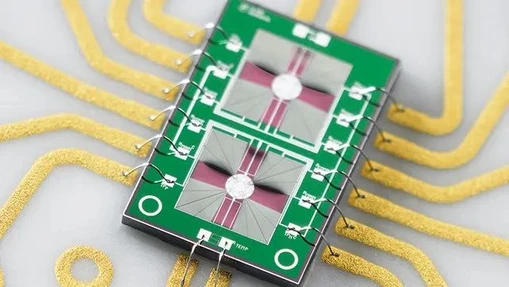
The Exciting World of Flash DSC
Advanced Material Characterization by Fast-Scanning Calorimetry

Improved EA-IRMS NCS workflow for archaeology and ecology applications
This presentation will describe how we have optimized our Thermo Scientific EA IsoLink System with the new High Performance Kit for sulfur analysis to allow for high precision and accuracy NCS analysis.
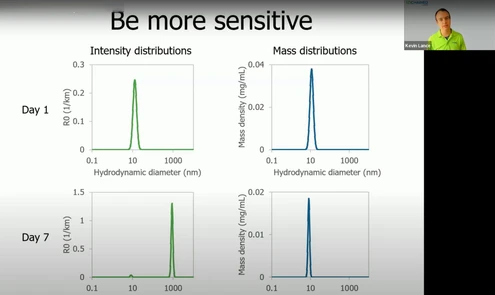
Lose the lag with high-throughput and flexible ADC analysis on Stunner
See how Stunner streamlines ADC analysis by measuring antibody concentration, DAR, and aggregation from just 2 μL per sample—fast, flexible, and high-throughput for up to 96 ADCs.
Related content
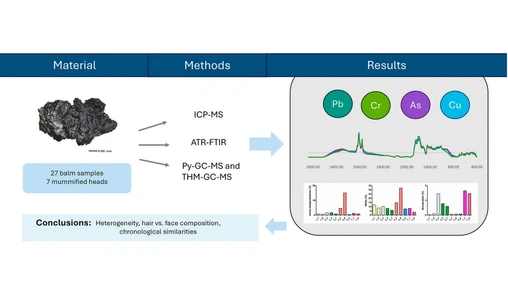
Combining elemental analysis and molecular techniques to characterize Ancient Egyptian mummification balms
Webinars LabRulezICPMS Week 39/2026
