
Inactive

The Latest on Digitalization, Process Analytical Technology and Quality Control
This webinar will explore how digital transformation enhances the efficiency, accuracy, and reliability of process analytical technology (PAT) and quality control systems.

Slashing Inefficiencies in Consumer Product Manufacturing with NIR Spectroscopy
An overview of NIR spectroscopy, including features of the new OMNIS NIR, and why the fundamentals of this technique make it well-suited for formulated products.
Fundamentals of Indentation
An introduction to the theory and practice of instrumented indentation, covering the goals of indentation testing, the fundamental mechanisms behind it, data interpretation, and property mapping.
The Science of Batteries
In this 4-part session you will gain insights and understanding of what you can do in the battery industry with varied technologies.

Measuring Adsorbate Profiles in Heterogeneous Catalytic Reactors by Iso-Potential Operando DRIFTS
This online seminar is aimed at academic and industrial researches in heterogeneous catalysis and catalytic reaction engineering.
Hydrogen storage - next generation fuel
This webinar will present vacuum-volumetric technology and methods for measuring hydrogen adsorption for storage applications.
Interrogating Solid Catalysts Using (In Situ) Diffuse Reflectance UV-Visible Spectroscopy
How UV-visible spectroscopy can be used as a powerful tool to understand solid catalysts, specifically the class of supported oxide catalysts.
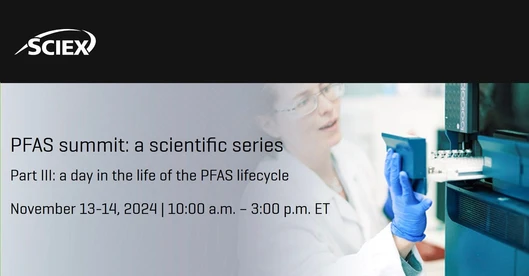
PFAS summit: a scientific series - Part III: a day in the life of the PFAS lifecycle
This class of compounds continue to be headlines in the news and social media, but the question above should be a constant rhetorical question! Is there more to be discovered?
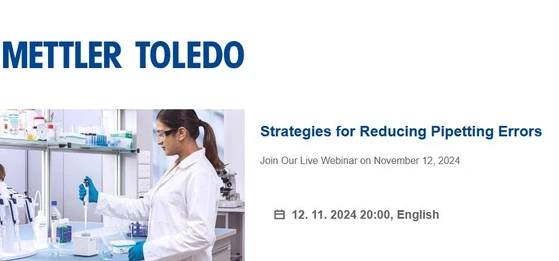
Strategies for Reducing Pipetting Errors
Join our live webinar to learn strategies for reducing pipetting errors to help you produce consistent and reliable results.
Characterization of Materials for Direct Air Capture Applications
In order to understand an adsorbents ability to capture CO2, the material’s structural properties, including surface area and pore size and volume, must be determined.
Related content
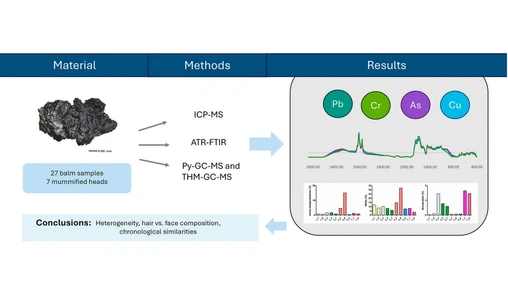
Combining elemental analysis and molecular techniques to characterize Ancient Egyptian mummification balms

Webinars LabRulezICPMS Week 39/2026
