Inactive
Blue Thursdays 2026 – The Best Of
In this final session, we’ll look back at the most important things we’ve learned throughout the Blue Thursday series.
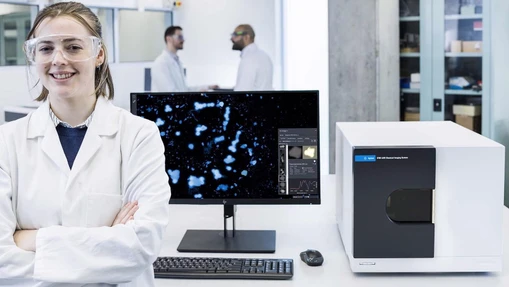
Characterization of Microplastics in Sediment Using LDIR Microscopy
Join our webinar on characterizing microplastics in sediments using LDIR microscopy. Discover sample prep methods and polymer identification.
Modern Methods for Faster Microbial Analysis
Struggling to choose the right technique for microbial testing? Learn how MALDI-TOF, FTIR, and automated DNA/RNA electrophoresis accelerate identification.

Foundations of a Sustainable, High-Performing QA Program
Build a sustainable, high-performing QA program in your lab. Learn the 4 pillars of data quality: method validation, analyst competency, control charting, and certified reference materials.

From legacy to leading edge: unlock more uptime, throughput, and confidence with modern GC-MS technology
Discover how upgrading legacy GC-MS systems to the Thermo Scientific ISQ 7610 GC-MS and TSQ 9610 GC-MS/MS can improve performance, simplify maintenance, and reduce operating costs.
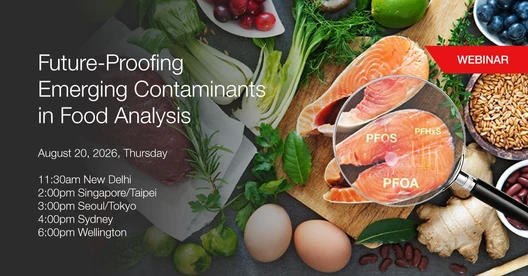
Future-Proofing Emerging Contaminants in Food Analysis
Ready your lab for evolving PFAS regulations in food contact materials and seafood. Discover advanced HRMS data workflows and join a live panel discussion with industry experts.
Breathomics: Advancing Personalized Medicine Through Next-Generation Analytical Solutions
Advance personalized medicine with breathomics. Learn how GCxGC-MS profiling of VOCs drives non-invasive biomarker discovery.
Verifying Raw Materials with a Handheld Instrument
Verify incoming raw materials without opening containers! Learn how the handheld Agilent Vaya system combines conventional Raman and SORS technology for fast, non-destructive warehouse testing.

Safer Narcotics Identification in the Fentanyl Era: Lessons from Rhode Island State Police
See how today’s agencies are adapting narcotics testing to meet the challenges of modern-day detection.
From Spectra to Mechanism: Using DRIFTS to Understand CO₂ Catalysis
In this webinar, subject matter specialists will discuss how in situ DRIFTS can be used to study dry reforming of methane over ceria-supported catalysts and provide insight into the surface species.
Related content
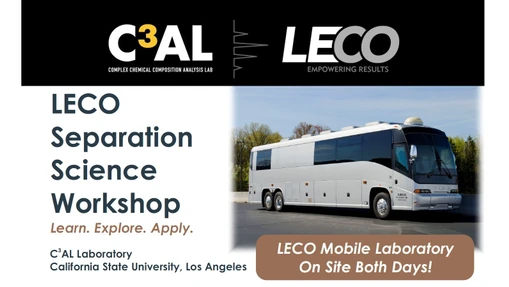
LECO Separation Science Workshop
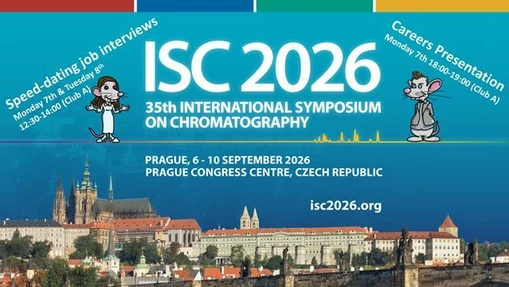
ISC 2026 Starts in One Week: What You Need to Know