Zaměření
Type of News
Focus
Article | Interview
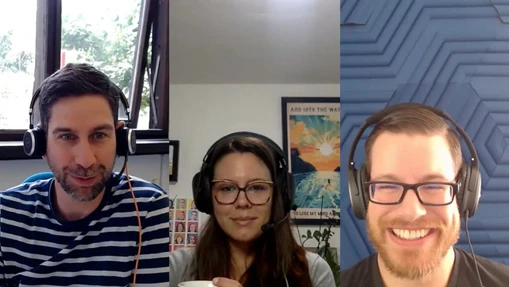
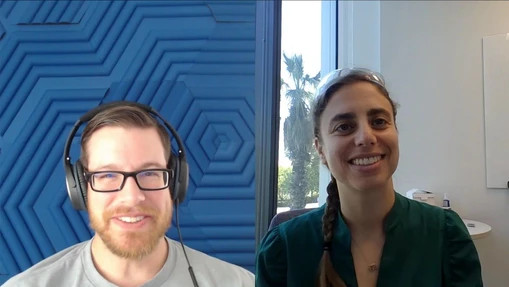
Breathomics, Asthma & GC×GC: PH Stefanuto on Fighting the “Proof‑of‑Concept” Trap
Pierre-Hugues Stefanuto and Candi Gokey discuss GC×GC, untargeted metabolomics, breath analysis, AI, and the path from molecular fingerprints to personalized asthma monitoring.
Article | Interview
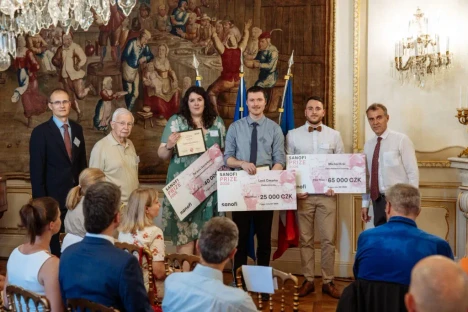
How Chromatography Helps Build Better Catalysts
Madalyn Radlauer discusses polymer-supported catalysis, star polymers, SEC/GPC, light scattering, GC-MS benchmarking, and why asking the right questions drives better science.
Article | Interview
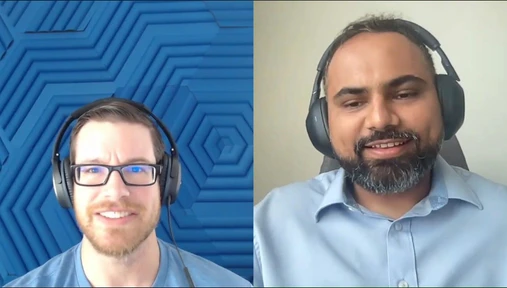
Interview: What Drew Postdoc Taťána Gazárková to Analytical Chemistry
Interview with Taťána Gazárková on analytical chemistry, untargeted metabolomics, the search for novel bioactive compounds, and her Sanofi Prize for Pharmacy 2026 award.
Article | Interview
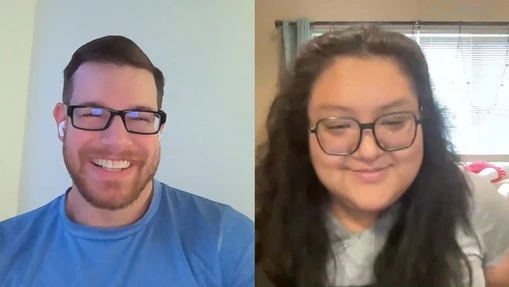
The Chemistry of Human Decomposition: GC×GC, Body Farms, and Forensic Science with Dr. Darshil Patel
Darshil Patel discusses his path from dentistry to forensic chemistry and explains how GC×GC–TOF-MS reveals complex VOC profiles from human decomposition and supports human-remains detection.
Interview | Scientists
How Separation Science Is Taught vs. How It’s Actually Used
Chemistry educator Natasha Le discusses how students learn separation science, why critical thinking matters more than memorizing procedures, and how future analytical scientists are trained.
Article | Events
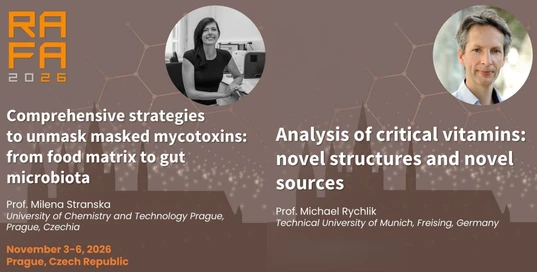
Invited Speakers at RAFA 2026 Symposium
Meet the invited speakers of RAFA 2026 and discover the latest scientific advances in food analysis, food safety, authenticity, HRMS, PFAS, AI, mycotoxins, allergens, and emerging contaminants.
Article | Scientists
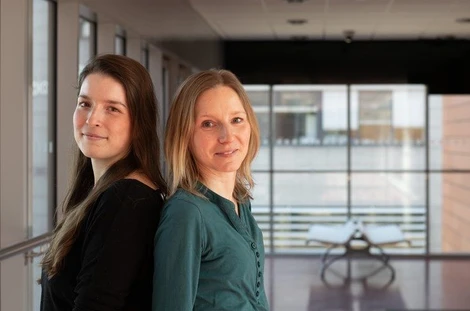
Researchers Tereza Nešporová and Jaroslava Večerková: In science, we must learn to work with failure
RECETOX researchers Tereza Nešporová and Jaroslava Večerková discuss the value of failure in science, their research on chemicals affecting the hormonal system, and how their work shapes everyday life.
Article | Scientists
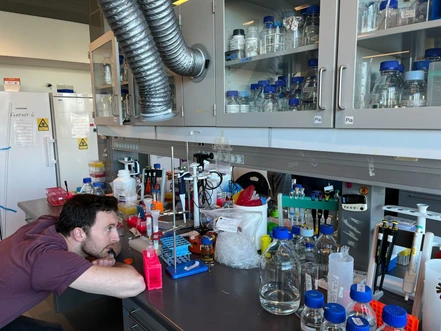
William S. Morton: The Best Part of Living in Brno? Probably the Tomatoes Through the Window
ERA Postdoctoral Fellow William Morton reflects on two years at CEITEC Masaryk University, discussing research, life in Brno, scientific culture, and international collaboration.
Article | Events
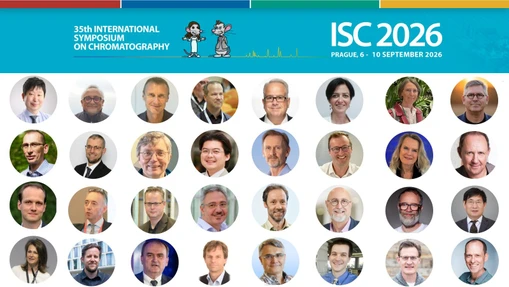
ISC 2026 Keynote Lectures
ISC 2026 will feature 32 world-renowned keynote speakers covering chromatography, mass spectrometry, metabolomics, proteomics, omics sciences, microfluidics, and advanced separation technologies.
Interview | Video
Did Mars Destroy Its Own Biosignatures? | GC-MS, Sterols & the Search for Life
Discover how GC-MS, LC-MS, ion chromatography, and NMR help scientists investigate organic molecules on Mars and distinguish potential biosignatures from analytical artifacts.