

Marketplace products from category Fittings, adapters, tubing - page 7
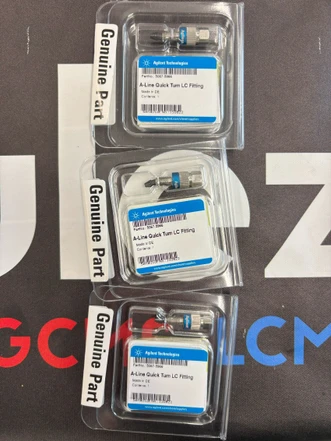
The Agilent InfinityLab Quick Turn LC Fitting is a stainless steel, high-performance fitting for Agilent HPLC systems. It enables fast, reliable, and leak-tight connections when used with Quick Turn capillaries.

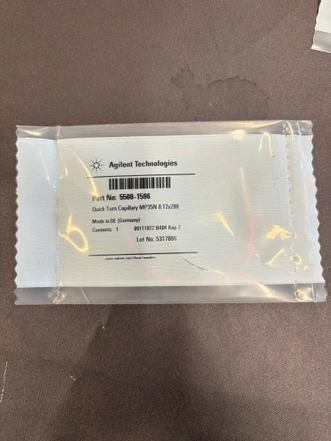


This Agilent capillary is designed for high-pressure HPLC applications in Agilent 1200 and 1260 Infinity systems. Manufactured from corrosion-resistant MP35N alloy, it features M4 stainless steel fittings on both ends.

This Agilent capillary is designed for high-pressure HPLC applications in Agilent 1200 and 1260 Infinity systems. Manufactured from corrosion-resistant MP35N alloy, it features M4 stainless steel fittings on both ends.

Agilent Stainless steel capillary (0.94 mm ID, 1450 mm) with NX/NX pre-swaged fittings for high-flow LC applications. Ideal for solvent delivery and preparative HPLC in Agilent systems.


Related content
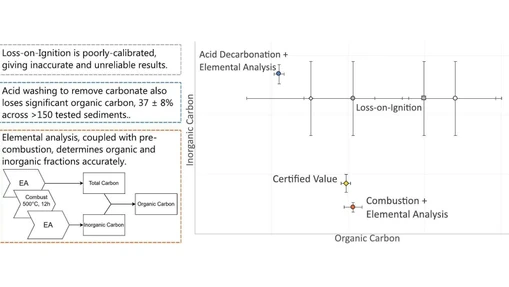
Comparing loss-on-ignition, acid decarbonation and combustion elemental analysis for measuring organic carbon concentrations – recommendations for best practice
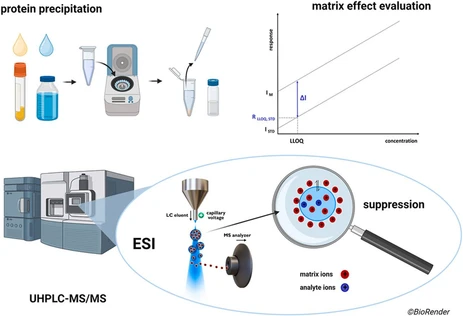
Comprehensive investigation of matrix effect evaluation approaches for reliable quantification in bioanalysis using UHPLC-MS/MS
