
Zaměření
Type of News
Focus

How Bitter Acid Analysis Helps Brewers Better Control Beer Flavors
Discover how online SPE combined with UHPLC accelerates hop bitter acid analysis, reduces solvent consumption, and delivers reliable data for better beer flavor control.
News from LabRulezLCMS Library - Week 13, 2026
This week we bring you application notes by Agilent Technologies, KNAUER and Shimadzu, brochure by Thermo Fisher Scientific and poster by Waters Corporation!

Advancing PFAS Detection in Pharmaceutical Manufacturing with LC-HRAM-MS
SGS and Thermo Fisher present a high-resolution LC-HRAM-MS method for sensitive targeted and non-targeted PFAS screening in pharmaceutical materials.

A Greener HPLC Guide: How ACT Labels Help Promote Lab Sustainability
Labs consume up to 10× more energy than offices. Learn how greener HPLC practices and ACT labels can cut waste, reduce emissions, and support sustainable lab operations.
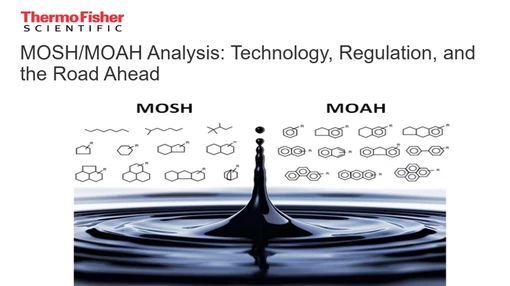
MOSH/MOAH Analysis: Technology, Regulation, and the Road Ahead
MOSH/MOAH testing is becoming a key topic in food safety and regulation. Discover how Thermo Fisher Scientific’s LC-GC-FID and GC×GC-MS workflows improve reliability, compliance, and source identification.

Episode 3: Understanding How Charged Aerosol Detection (CAD) Works
Dive deeper into Charged Aerosol Detection (CAD) technology in HPLC. Learn how nebulization, evaporation, charging, and detection steps deliver consistent, mass-based quantification across analytes.
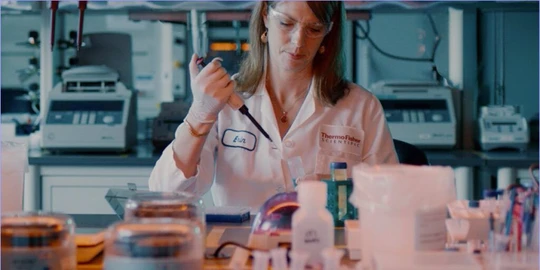
Sample Preparation Strategies Demystified: Choosing the Right Fit for Your Toxicology Workflow
Discover smarter LC-MS sample preparation strategies—dilute-and-shoot, PPT, LLE, SPE, automation & microsampling—for cleaner samples, robust toxicology results and efficient workflows.

Why You Need a Verification-Class Mass Spectrometer: Going Beyond 4d to Improve Analytical Performance for Targeted Quantitative Analysis
This is the fourth in a multi-part blog series highlighting the key attributes and impressive benefits of the Thermo Scientific Stellar mass spectrometer.
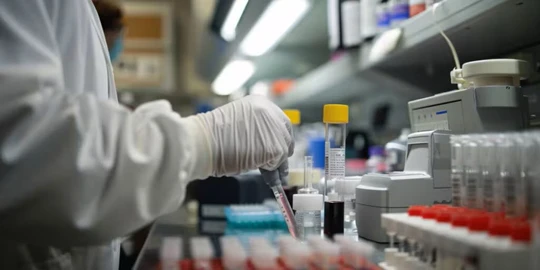
Automated LC-MS Sample Cleanup Using Turbulent Flow Chromatography
Too much interfering matrix? Discover how to streamline your daily LC-MS analysis with turbulent flow chromatography.