Zaměření
Type of News
Focus
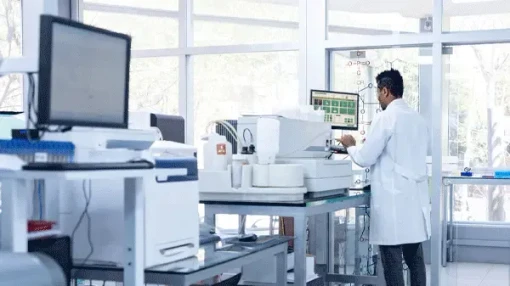
How to Extend the Lifetime of HPLC Columns?
How can you extend the life of an HPLC column? Proper handling, suitable operating conditions, regular flushing, and correct storage all play an important role.
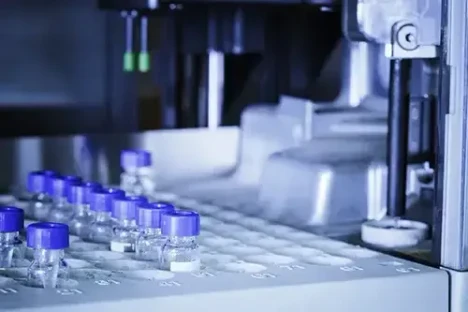
Maintenance and Care of HPLC Columns
Learn HPLC column care best practices, including cleaning, regeneration, storage, and preventive maintenance to extend column life, reduce downtime, and ensure reliable chromatographic results.
2D-LC (Two-dimensional Liquid Chromatography): What, When and Why to Use it
Learn how two-dimensional liquid chromatography (2D-LC) overcomes the limits of 1D-LC. Explore its principles, operating modes, applications, and the latest advances shaping modern analytical science.
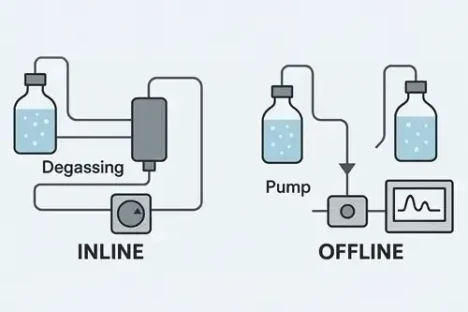
Degassing Techniques in HPLC: Inline vs Offline
Learn why mobile phase degassing is essential for reliable HPLC performance. Compare inline and offline degassing methods, their advantages, limitations, and practical troubleshooting tips.
Protein Purification by HPLC: Methods, Benefits, and Best Practices
Discover how HPLC enables efficient protein purification for biopharmaceuticals, proteomics, and biotechnology. Learn about purification modes, key benefits, optimization strategies, and best practices.
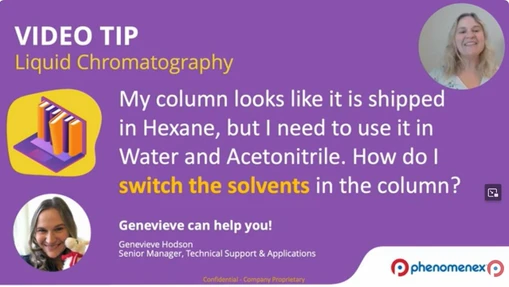
Solvent Switching in Liquid Chromatography Columns: How to Change Column Solvents Safely
Learn how to safely switch solvents in an LC column, verify solvent miscibility, use IPA between immiscible systems, and prevent irreversible column damage.

What is the most appropriate way to approach scaling up your analytical method when transferring it to preparative chromatography scale? Part 1
Learn how to balance purity, yield, and throughput when scaling analytical HPLC methods to preparative chromatography.
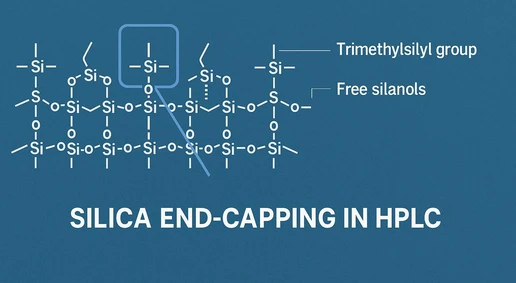
The Role of End-Capping in Reversed-Phase
Learn how silica end-capping improves HPLC column performance. Discover how C18, PS-C18, Polar C18, and XB-C18 chemistries enhance retention, peak shape, and selectivity for various analytes.

LC System Optimisation for UHPLC Performance on any HPLC
Discover practical tips to optimise LC systems for UHPLC performance on any HPLC. Learn how to reduce peak broadening, improve efficiency, and shorten runtimes.

Column contamination – what is happening, and how it can be avoided
Column contamination is a leading cause of shortened HPLC column lifetime, leading to high back pressure. Learn why it happens and how to prevent blocked frits with simple precautions.