

Zaměření
Type of News
Focus
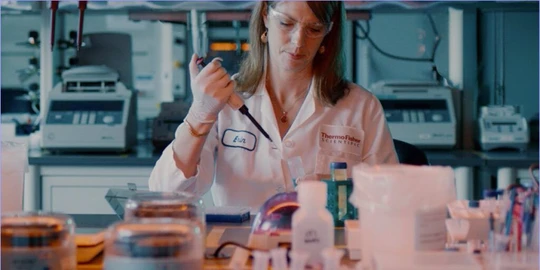
Sample Preparation Strategies Demystified: Choosing the Right Fit for Your Toxicology Workflow
Discover smarter LC-MS sample preparation strategies—dilute-and-shoot, PPT, LLE, SPE, automation & microsampling—for cleaner samples, robust toxicology results and efficient workflows.
Understanding PFAS in Pharmaceutical Manufacturing
PFAS play vital roles in pharma but pose risks as “forever chemicals.” Thermo Fisher’s LC-MS solution enables precise PFAS screening in packaging and processes, ensuring compliance and safety.
Collision-Based Ion-activation and Dissociation
Collision-based ion activation, developed nearly 80 years ago, remains the most widely used fragmentation method. Learn about three key techniques on Thermo Scientific MS.
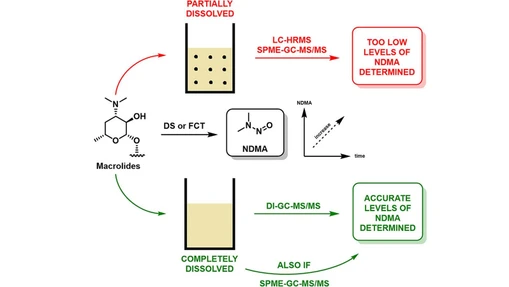
NDMA in macrolides: GC-MS/MS method for its detection and study of its formation
This study evaluates the risk of NDMA formation from macrolide antibiotics, highlighting solubility-related analytical challenges and the role of drug form and storage in NDMA levels.
Mucinomics: The Next Frontier of Mass Spectrometry
Dr. Stacy Malaker shared advances in mucin characterization, enrichment, and their role in disease research during a Nature webinar. Here are the key takeaways.
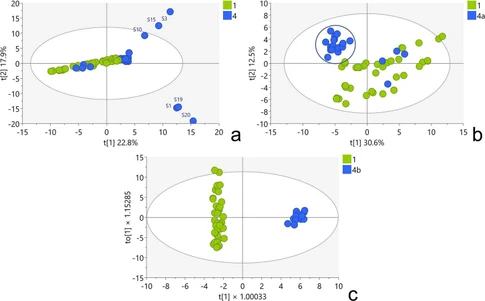
LC-MS-based metabolomics for detecting adulteration in Tribulus terrestris-derived dietary supplements
Assess authenticity and detect adulteration in Tribulus terrestris supplements using untargeted LC-HRMS metabolomics combined with chemometric and AI tools.
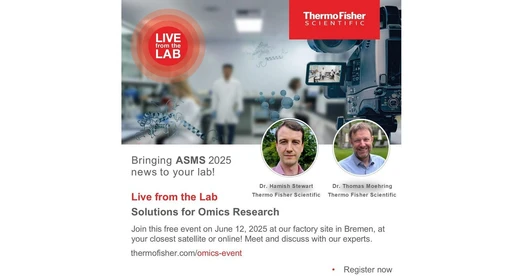
Live from the Lab: Solutions for Omics Research - Dr Thomas Moehring & Dr Hamish Stewart
Join us on June 12th for the 3rd edition of Live from the Lab! This hybrid event will showcase the latest advancements in mass spectrometry technology.
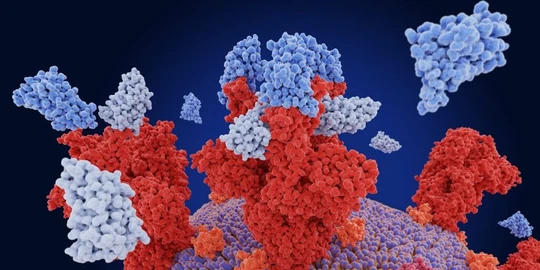
Imaging Large Multiprotein Complexes Using Native Nano DESI Mass Spectrometry
Prof. Helen Cooper from the University of Birmingham shared new insights into imaging large multiprotein complexes using native nano-DESI mass spectrometry.