Zaměření
Type of News
Focus

LC System Optimisation for UHPLC Performance on any HPLC
Discover practical tips to optimise LC systems for UHPLC performance on any HPLC. Learn how to reduce peak broadening, improve efficiency, and shorten runtimes.

Column contamination – what is happening, and how it can be avoided
Column contamination is a leading cause of shortened HPLC column lifetime, leading to high back pressure. Learn why it happens and how to prevent blocked frits with simple precautions.
Overcoming Peak Tailing of Basic Analytes in Silica Type A Stationary Phases in RP
Struggling with peak tailing of basic compounds in RP-LC using type A silica columns? Discover how low-pH buffers and silanol suppressors can improve peak shape—plus why type B silica is a better choice.
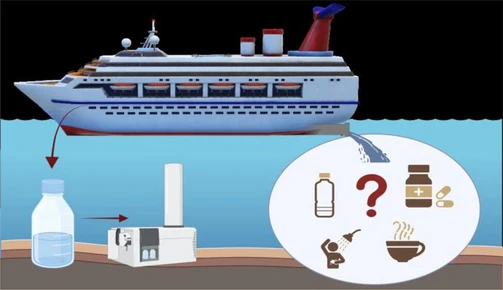
Occurrence of Pharmaceuticals and Other Anthropogenic Compounds in the Wastewater Effluent of Arctic Expedition Cruise Ships
The study examines treated wastewater from Arctic cruise ships to identify pharmaceuticals and other contaminants, highlighting potential risks to sensitive polar marine environments.
How can capacity factors drive method robustness?
How can capacity factors drive method robustness?
The effects of gradient on buffer capacity
The effects of gradient on buffer capacity