Learn how surplus proficiency testing (PT) items can support method verification, analyst training, internal quality control, troubleshooting, and performance assessment in analytical laboratories.
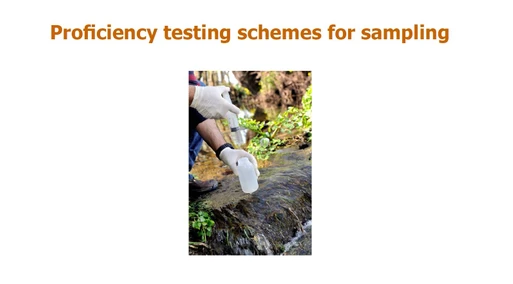
Learn how ISO/IEC 17043 applies to proficiency testing schemes for sampling, including evaluation models, statistical design, homogeneity, assigned values, and sampling uncertainty.
Pre- and post-analytical PT/EQA schemes help evaluate the entire routine chemical analysis process, from sampling and preparation to interpretation and reporting of results.
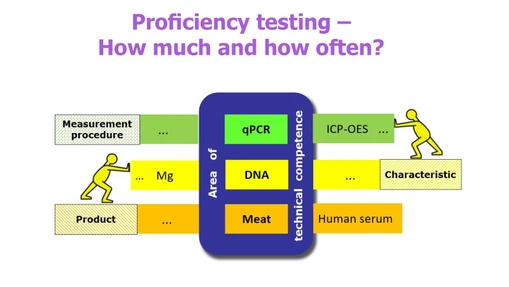
How to define a PT strategy? Eurachem guidance explains how to set scope, frequency, and risk-based participation while integrating PT with broader QA tools.
Selecting the right proficiency testing scheme for my laboratory
How to select the right proficiency testing (PT) scheme for your laboratory? Key criteria, practical examples, and guidance for ensuring reliable and compliant results.
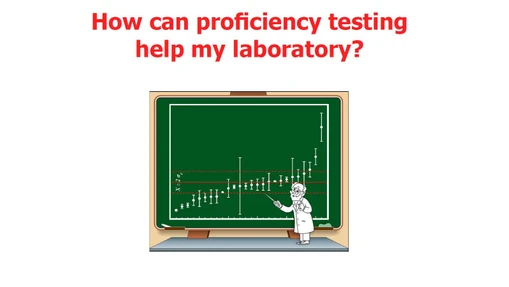
Learn how proficiency testing (PT) supports quality assurance in analytical laboratories, from z-score evaluation to bias assessment and long-term performance monitoring.
Proficiency testing schemes and other interlaboratory comparisons
Learn how proficiency testing and interlaboratory comparisons support measurement quality, method validation, and performance benchmarking across analytical laboratories.
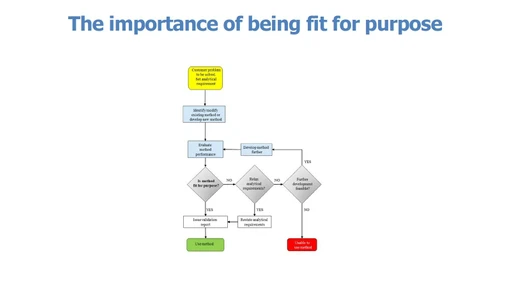
Method validation and verification ensure analytical results are reliable and fit for purpose. This article explains key concepts, performance characteristics, and guidance from the Eurachem Guide.
Performance Assessment of Binary Output Examinations in Medical Laboratories
Learn how to assess clinical test performance using sensitivity, specificity, and confidence intervals, and how to define fitness-for-purpose criteria for reliable diagnostic decisions.