


A Single Calibration Method for Water AND Soil Samples Performing EPA Method 8260
A patented automated sampling method lets labs run both water and soil samples under a single calibration for USEPA Method 8260, cutting prep time, standards, and costs while maintaining compliance.

Flavor Compound Abundances in Orange Juice Comparison Using Purge and Trap
Purge and trap GC/MS analysis compared flavor compound abundances in three orange juice brands, revealing reproducible results and subtle differences.

Global Careers in Liquid Chromatography: 20+ LC Jobs in Service, Sales & Research
Browse over 20 job offers in liquid chromatography from Waters, Agilent, Thermo, Shimadzu, Metrohm and others. Roles in sales, applications, service, and R&D.

Global Careers in Gas Chromatography: Service, Sales & Applications
Discover 13 global job offers in gas chromatography, covering sales, service, and applications. Join leading GC vendors across North America, Europe, and Asia.

USEPA 524.2 Method Validation Using the Evolution Purge and Trap Concentrator and the Centurion WS Autosampler
Explore how the Evolution purge & trap and Centurion WS autosampler streamline USEPA 524.2 method validation, improving sensitivity, reducing moisture issues, and ensuring compliance.

Optimization of 1,4-Dioxane and Ethanol Detection Using USEPA Method 8260
Discover optimized purge and trap sampling strategies for accurate detection of 1,4-Dioxane and Ethanol in water. Learn how to minimize carryover and meet USEPA 8260 requirements.
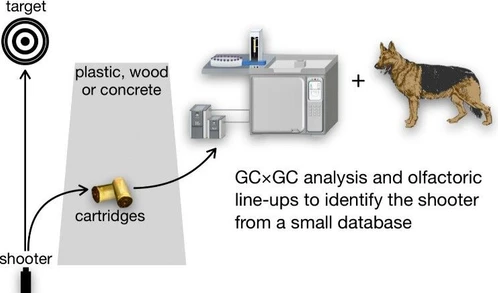
Analysis of the Human Scent on Fired Cartridge Cases from a Simulated Crime Scene
Pilot study shows human scent can survive firing on cartridge cases. Using olfactronics and olfactorics, traces were matched to volunteers to reveal who loaded the weapon.
Global Careers in LC-MS: Explore Analytical Chemistry Jobs Around the World
Discover 39+ global job opportunities in LC-MS. Roles span R&D, applications, sales, and service across Europe, North America, Asia, and Australia.
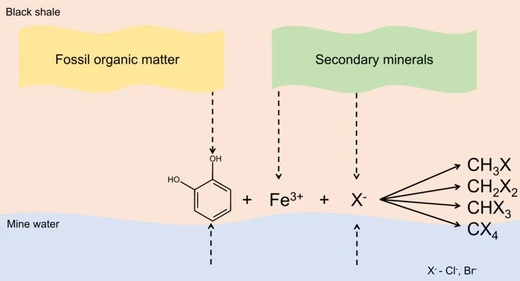
Emissions of Halomethanes from Bioweathered Lopingian Kupferschiefer Black Shale (Fore-Sudetic Monocline, SW Poland)
Kupferschiefer black shale in SW Poland emits halomethanes, including tetrachloromethane, via Fe³⁺-catalyzed abiotic reactions, revealing a previously unknown natural source.
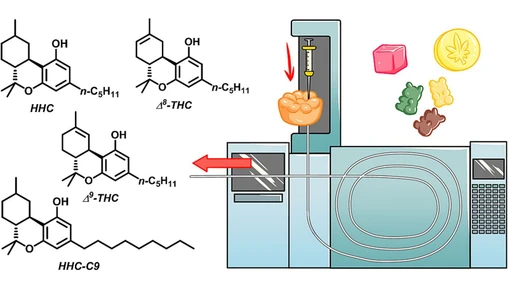
GC–MS as a valuable tool for analysing cannabinoid-containing gummies and identifying the synthetic process used for their production
This study aims to validate a GC–MS method for detecting cannabinoids in seized gummies, enabling identification, quantification, and insights into their natural or synthetic origin and synthesis pathways.