


Avoiding Common Syringe Filter Mistakes
Learn how to choose the right syringe filter, avoid common filtration mistakes, and improve chromatography results with practical tips on membrane selection, pore size, and proper handling.

How to Choose the Right Membrane for Your Syringe Filter
Learn how to select the optimal syringe filter membrane for HPLC and laboratory applications. Compare Nylon, CA, hPTFE, and PTFE membranes, pore sizes, compatibility, and best practices.

Why Micro Inserts Are Essential for Precision in HPLC Analysis
Discover how micro inserts improve HPLC performance by enhancing sensitivity, minimizing sample waste, reducing evaporation, and maximizing recovery from low-volume samples.
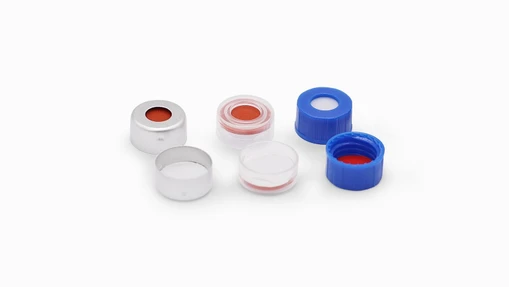
Crimp vs. Screw Caps: Which is Better for Chromatography?
Crimp, screw, and snap caps each offer unique advantages for chromatography. Learn how sealing performance, usability, and compatibility influence sample integrity and workflow efficiency.
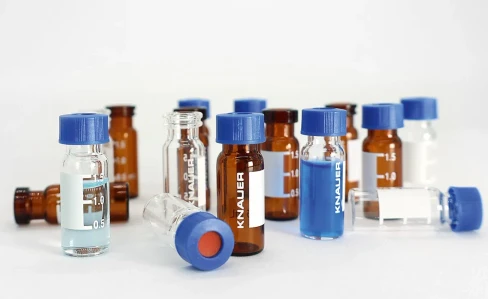
KNAUER High-Quality HPLC Glass Sample Vials
Choosing the right HPLC sample vial can significantly impact analytical performance. Learn how glass quality, vial certification, and detection methods influence data quality and reliability.

Flash Chromatography Columns: A Comprehensive Overview and Benefits of Santai SepaFlash
Learn how flash chromatography columns work, how they differ from HPLC columns, and how to optimize sample loading. Discover the performance advantages of Santai SepaFlash columns for reliable purification.

Let´s Connect a whole (U)HPLC system without tools and trouble
Discover how modern UHPLC capillary and fitting systems simplify installation, reduce dead volume, improve reliability, and save valuable laboratory time.
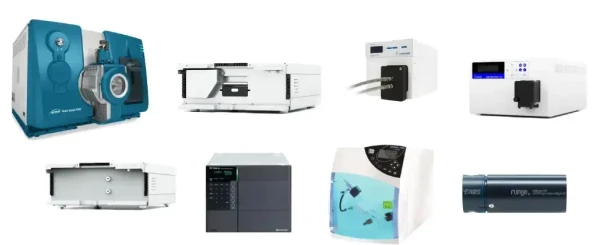
A comprehensive guide for selecting the appropriate HPLC detector
Learn how to select the right HPLC detector by comparing sensitivity, selectivity, compatibility, and performance across common detection technologies.
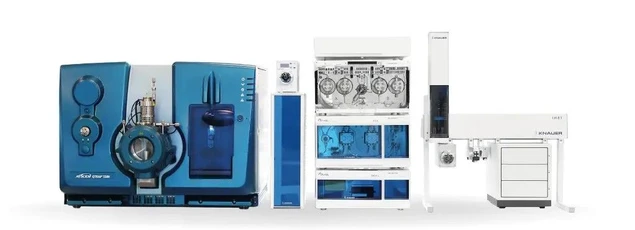
Introducing Our System Solution for High Throughput Quality Control – HTQC
Discover how the HTQC system increases QC sample throughput using UHPLC, overlapped injections, large sample capacity, and parallel column backflushing.
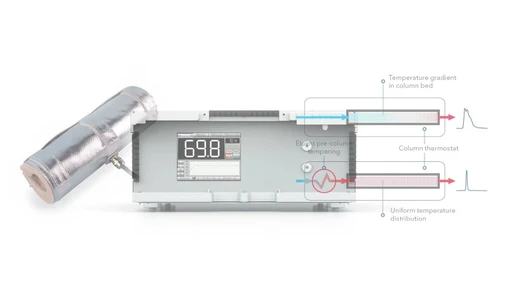
The importance of temperature control in preparative liquid chromatography.
Eluent preheating is essential in preparative HPLC. Learn how it improves peak shape, efficiency, and reproducibility, and how KNAUER solutions ensure stable thermal conditions.