PhD position Chemometric processing of GC×GC data from alternative fuels and oils
Tu, 27.10.2026 | Original article from: UCTP-REFINE Lab
Join UCTP-REFINE Lab for a fully funded PhD focused on GC×GC analysis and chemometric processing of complex fuels and oils derived from biomass and plastics.
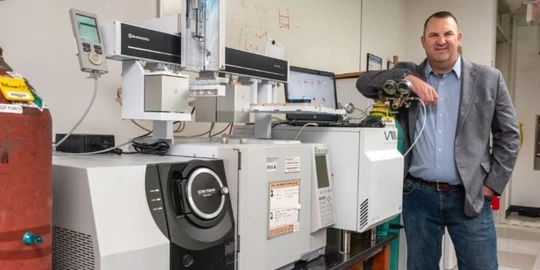
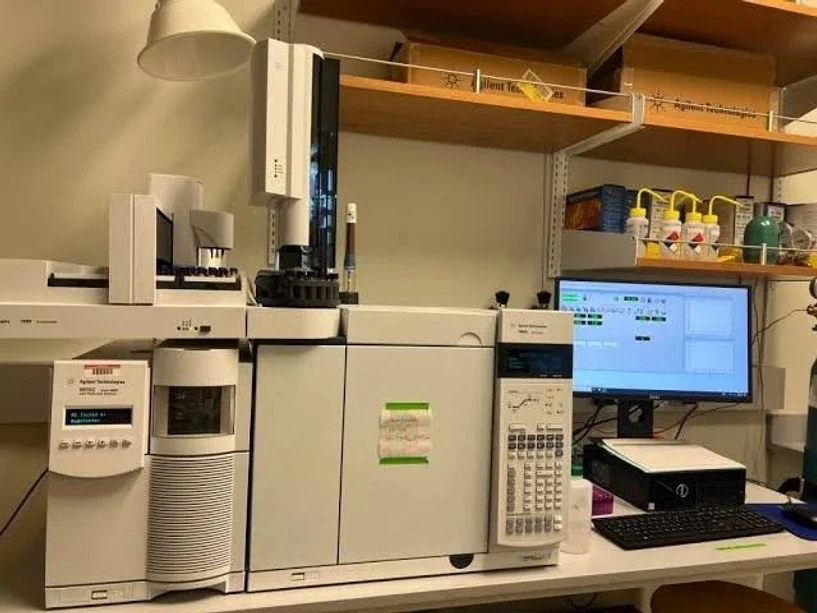
<p>UCTP-REFINE Lab: Laboratory equipment - Agilent GC/MS</p>

UCTP-REFINE Lab: Laboratory equipment - Agilent GC/MS

UCTP-REFINE Lab is a research group at the University of Chemistry and Technology Prague focused on sustainable waste valorization, chemical recycling, and the production of alternative feedstocks for chemicals and fuels. The team combines chemical engineering, catalysis, and advanced analytical chemistry to study the thermal and catalytic conversion of complex waste streams, particularly plastics, tires, and biomass, including pyrolysis and upgrading of resulting oils. A strong emphasis is placed on comprehensive characterization of feedstocks, intermediates, and products to link composition and process conditions with product quality and support the development of circular, resource-efficient technologies.

PhD position Chemometric processing of GC×GC data from alternative fuels and oils produced via thermochemical conversion of biomass and plastics

Expected experience:

  • Master's degree in chemistry or chemical engineering
  • Strong background in analytical chemistry and chemistry in general; a background in chemical engineering is beneficial
  • Experience with chromatography is mandatory.
  • Experience with chemometric data processing (e.g. in Python) and GC×GC is not required but is beneficial.
  • Top-level English, both spoken and written, ideally proven by a certificate.
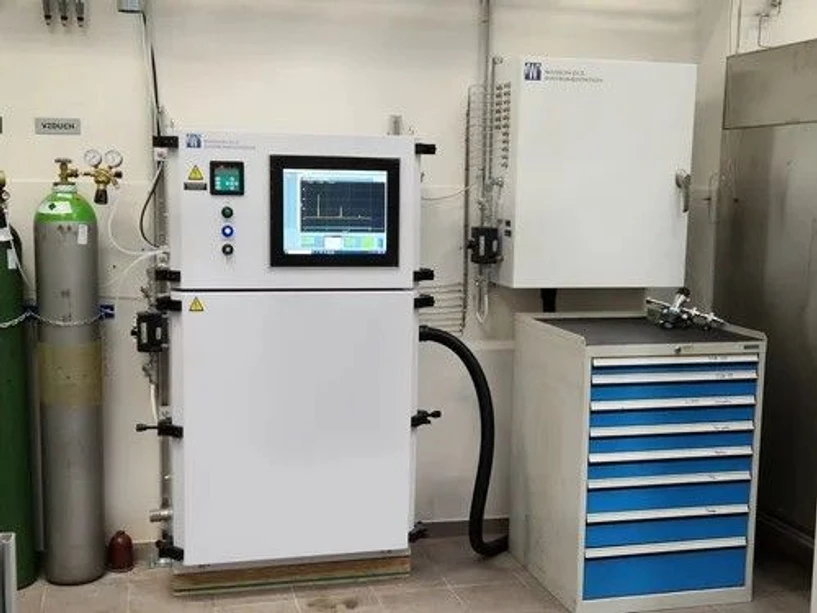
UCTP-REFINE-lab: Process Gas Chromatograph with ElectrolyzerUCTP-REFINE-lab: Process Gas Chromatograph with Electrolyzer

Expected work:

  • Close collaboration with all involved colleagues and relevant partners from the project consortium.
  • GC×GC analysis of complex samples utilizing FID, MS and NCD detectors.
  • The focus will be on alternative fuels and oils from thermochemical depolymerisation of biomass and plastics, as well as the samples after hydrotreating.
  • Advanced GC×GC data processing using chemometrics for prediction model development.
  • Participation also in sample production.
  • Contribution to project reports, publications, and conference presentations.

What we offer:

  • A young but fast-growing Team with strong international collaborations with academia and industry.
  • Top-level facilities and expertise in hydrotreating and liquid product analysis.
  • Work on a prospective topic in close collaboration with top EU companies as part of a demonstration EU project.
  • Competitive income, which level depends entirely on your activity and productivity.

Questions? Feel free to contact our students Adham ([email protected]) or Vít ([email protected]).

  • Preferred start: early 2027
  • Application deadline: 30th October 2026
  • Funding: Fully funded PhD position as part of an upcoming HE project.

If you are interested and meet the criteria, apply through the application form below.
Apply through this form

UCTP-REFINE Lab
LinkedIn Logo
 

Related articles

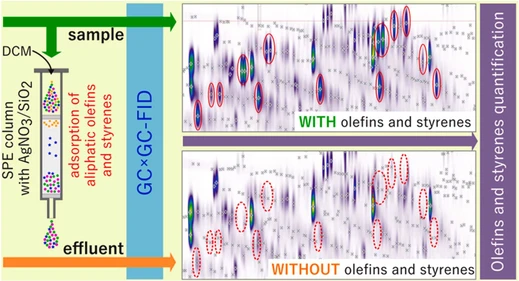
Quantitative determination of olefins in pyrolysis oils from waste plastics and tires using selective adsorption by Ag–SiO2 followed by GC×GC-FID
Article | Scientific article

Quantitative determination of olefins in pyrolysis oils from waste plastics and tires using selective adsorption by Ag–SiO2 followed by GC×GC-FID

In the research article published in Talanta journal the researchers developed a GC × GC-FID method for routine and cost-effective olefins quantitation that does not require an MS detector.
UTA chemist developing method to recycle more plastics
Article | Video

UTA chemist developing method to recycle more plastics

With standard recycling, most plastics still end up in landfills.
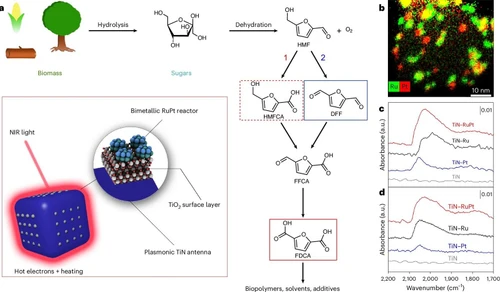
A new generation of solar catalyst converts biomass into raw materials for bioplastics
Article | Science and research

A new generation of solar catalyst converts biomass into raw materials for bioplastics

Scientists from CATRIN helped develop a new plasmonic photocatalyst that uses solar energy to efficiently convert biomass into key bioplastic precursors, marking a major step toward sustainable chemistry.
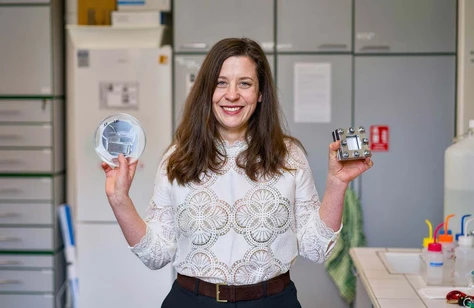
I waited two years for a start-up grant and wrote ten versions of my project idea
Article | Science and research

I waited two years for a start-up grant and wrote ten versions of my project idea

I waited two years for a start-up grant and wrote ten project versions. Anna Vanluchene explains the Illuminating Flow concept, photocatalysis in flow reactors, and building an independent research team.