How is Normal Phase (NP) SPE Different from Reversed-Phase (RP) SPE?

We, 3.12.2025 | Original article from: Phenomenex
A clear guide to Normal Phase SPE: when to use it, how polar interactions drive retention, and which solvents to choose in increasing polarity—plus a quick reference list for optimized sample preparation.
  • Photo: Phenomenex: How is Normal Phase (NP) SPE Different from Reversed-Phase (RP) SPE?
  • Video: Phenomenex: Streamline Sample Prep: Setting Up the Presston 1000

Normal phase SPE uses polar interactions as retention mechanism. These interactions include hydrogen bonding, dipole-dipole, induced dipole, π-π, etc. The interactions are between polar functional groups of analytes and polar sorbent chemistries.

Reversed phase uses nonpolar, hydrophobic interactions as retention mechanism. These interactions include Van-der-Waals, London dispersion, π-π, etc. These interactions are between carbon rich, hydrophobic parts of both analytes and sorbent.

When dealing with sample matrices that are only soluble in organic solvents, one would use a normal phase method. Examples of such matrices are oil, grease, or butter.

Ideally, the sample is diluted with a nonpolar solvent (i.e. hexane) prior to sample loading. The sample can then be washed with hexane or 5% methylene chloride in hexane (analogous to washing with 5% MeOH in water in RP SPE methods to remove matrix interferences). Elution will be done with a polar solvent that can interrupt polar interactions between analytes and sorbent.

Fractionation can be done by applying solvents in the order of increasing polarity or mixtures of solvents with different polarities.

Below is a quick reference of solvents in ascending polarity, for Normal Phase SPE methods.

Solvents in Polarity Order

From high to low
  • Hexane
  • Isooctane
  • Carbon tetrachloride
  • Toluene
  • Benzene
  • t-butyl methyl ether
  • Chloroform
  • Dichloromethane
  • Diethyl ether
  • Ethyl acetate
  • Tetrahydrofuran (THF)
  • Acetone
  • Acetonitrile
  • 40% MeOH in acetonitrile
  • 20% MeOH in diethyl ether
  • 20% MeOH in dichloromethane
  • Isopropanol
  • Methanol
  • Water
  • Acetic acid
Positive Pressure Manifold for Streamlined Sample Prep
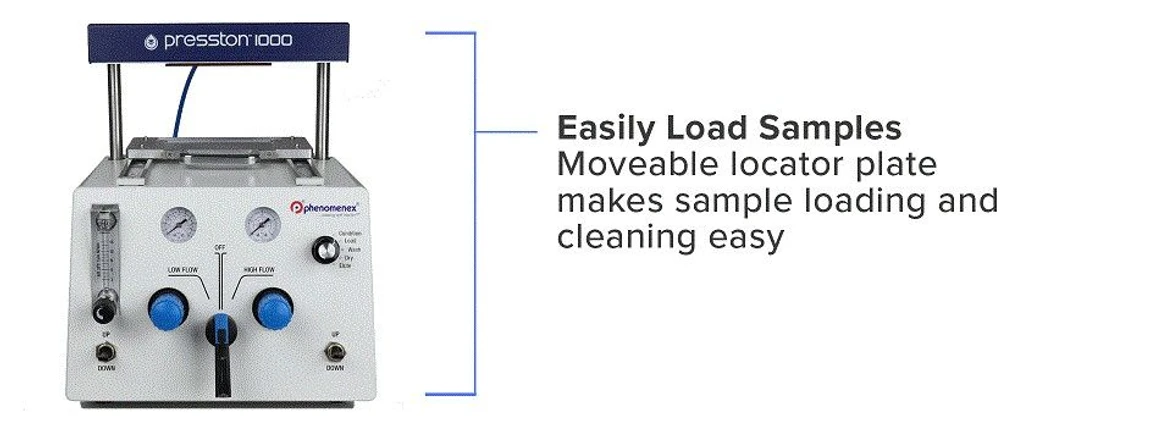
Phenomenex: Positive Pressure Manifold for Streamlined Sample PrepPhenomenex: Positive Pressure Manifold for Streamlined Sample Prep

Phenomenex
LinkedIn Logo
 

Related articles

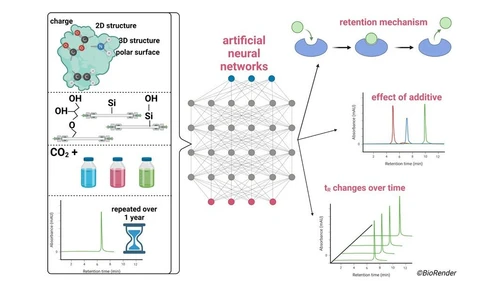
Advancing Fundamental Understanding of Retention Interactions in Supercritical Fluid Chromatography Using Artificial Neural Networks: Polar Stationary Phases with –OH Moieties
Article | Scientific article

Advancing Fundamental Understanding of Retention Interactions in Supercritical Fluid Chromatography Using Artificial Neural Networks: Polar Stationary Phases with –OH Moieties

The researchers used artificial neural networks to advance a fundamental understanding of retention interactions in supercritical fluid chromatography.
Generic SPE Method by Retention Mechanism
Article | Product

Generic SPE Method by Retention Mechanism

Explore solvent and pH conditions for Reversed Phase, Normal Phase, and Strong Ion-Exchange SPE. Guidelines cover analyte types, sample matrices, and key steps from conditioning to elution.
How is normal phase (NP) SPE different from reversed phase (RP) SPE? How do I decide which one to use?
Article | Academy

How is normal phase (NP) SPE different from reversed phase (RP) SPE? How do I decide which one to use?

How is normal phase (NP) SPE different from reversed phase (RP) SPE? How do I decide which one to use?
Considerations when working with solid samples and SPE
Article | Academy

Considerations when working with solid samples and SPE

Solid phase extraction enables clean-up, pre-concentration, and solvent switching. Proper solvent choice and SPE mode are key for effective solid sample preparation.
 

Related articles

Advancing Fundamental Understanding of Retention Interactions in Supercritical Fluid Chromatography Using Artificial Neural Networks: Polar Stationary Phases with –OH Moieties
Article | Scientific article

Advancing Fundamental Understanding of Retention Interactions in Supercritical Fluid Chromatography Using Artificial Neural Networks: Polar Stationary Phases with –OH Moieties

The researchers used artificial neural networks to advance a fundamental understanding of retention interactions in supercritical fluid chromatography.
Generic SPE Method by Retention Mechanism
Article | Product

Generic SPE Method by Retention Mechanism

Explore solvent and pH conditions for Reversed Phase, Normal Phase, and Strong Ion-Exchange SPE. Guidelines cover analyte types, sample matrices, and key steps from conditioning to elution.
How is normal phase (NP) SPE different from reversed phase (RP) SPE? How do I decide which one to use?
Article | Academy

How is normal phase (NP) SPE different from reversed phase (RP) SPE? How do I decide which one to use?

How is normal phase (NP) SPE different from reversed phase (RP) SPE? How do I decide which one to use?
Considerations when working with solid samples and SPE
Article | Academy

Considerations when working with solid samples and SPE

Solid phase extraction enables clean-up, pre-concentration, and solvent switching. Proper solvent choice and SPE mode are key for effective solid sample preparation.
 

Related articles

Advancing Fundamental Understanding of Retention Interactions in Supercritical Fluid Chromatography Using Artificial Neural Networks: Polar Stationary Phases with –OH Moieties
Article | Scientific article

Advancing Fundamental Understanding of Retention Interactions in Supercritical Fluid Chromatography Using Artificial Neural Networks: Polar Stationary Phases with –OH Moieties

The researchers used artificial neural networks to advance a fundamental understanding of retention interactions in supercritical fluid chromatography.
Generic SPE Method by Retention Mechanism
Article | Product

Generic SPE Method by Retention Mechanism

Explore solvent and pH conditions for Reversed Phase, Normal Phase, and Strong Ion-Exchange SPE. Guidelines cover analyte types, sample matrices, and key steps from conditioning to elution.
How is normal phase (NP) SPE different from reversed phase (RP) SPE? How do I decide which one to use?
Article | Academy

How is normal phase (NP) SPE different from reversed phase (RP) SPE? How do I decide which one to use?

How is normal phase (NP) SPE different from reversed phase (RP) SPE? How do I decide which one to use?
Considerations when working with solid samples and SPE
Article | Academy

Considerations when working with solid samples and SPE

Solid phase extraction enables clean-up, pre-concentration, and solvent switching. Proper solvent choice and SPE mode are key for effective solid sample preparation.
 

Related articles

Advancing Fundamental Understanding of Retention Interactions in Supercritical Fluid Chromatography Using Artificial Neural Networks: Polar Stationary Phases with –OH Moieties
Article | Scientific article

Advancing Fundamental Understanding of Retention Interactions in Supercritical Fluid Chromatography Using Artificial Neural Networks: Polar Stationary Phases with –OH Moieties

The researchers used artificial neural networks to advance a fundamental understanding of retention interactions in supercritical fluid chromatography.
Generic SPE Method by Retention Mechanism
Article | Product

Generic SPE Method by Retention Mechanism

Explore solvent and pH conditions for Reversed Phase, Normal Phase, and Strong Ion-Exchange SPE. Guidelines cover analyte types, sample matrices, and key steps from conditioning to elution.
How is normal phase (NP) SPE different from reversed phase (RP) SPE? How do I decide which one to use?
Article | Academy

How is normal phase (NP) SPE different from reversed phase (RP) SPE? How do I decide which one to use?

How is normal phase (NP) SPE different from reversed phase (RP) SPE? How do I decide which one to use?
Considerations when working with solid samples and SPE
Article | Academy

Considerations when working with solid samples and SPE

Solid phase extraction enables clean-up, pre-concentration, and solvent switching. Proper solvent choice and SPE mode are key for effective solid sample preparation.