Tu, 29.9.2026 16:00 CEST
Join our webinar on HILIC chromatography for oligonucleotides. Learn the retention mechanisms that govern selectivity and method optimization.Go to the webinar
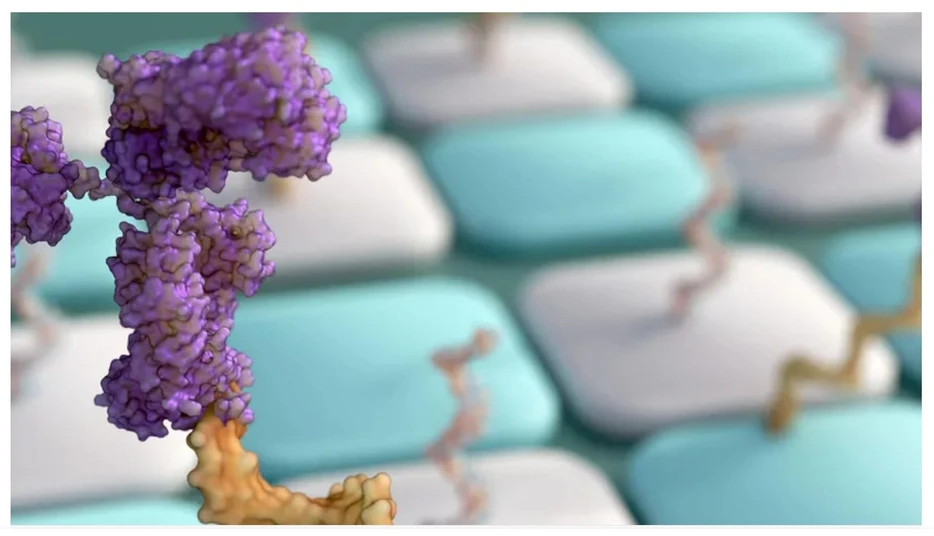
HILIC is increasingly used for oligonucleotide analysis, but its retention mechanisms remain far less intuitive than those of reversed-phase chromatography. In this webinar, we will explore what really drives oligonucleotide retention and selectivity in HILIC, from the hydrogen-bond donor capability of the mobile phase to solvophobic effects. Moving beyond the classical partitioning model toward the Protic Enhanced Polar and Solvophobic Interaction (PEPSI) mechanism will provide a more rational framework for HILIC method development and optimization.
Presenter: Jonathan Maurer (Postdoctoral Researcher in Analytical Sciences, Institute of Pharmaceutical Sciences of Western Switzerland, University of Geneva, Switzerland)
Jonathan Maurer is a postdoctoral researcher in Analytical Sciences at the University of Geneva. His work focuses on developing innovative chromatographic approaches for the characterization of complex biopharmaceuticals, with particular interest in mRNA therapeutics and lipid nanoparticles. He is particularly interested in understanding the chromatographic behavior of large biomolecules and developing innovative approaches to assess critical quality attributes, bridging fundamental analytical science with industrial applications.