Zaměření
Type of News
Focus
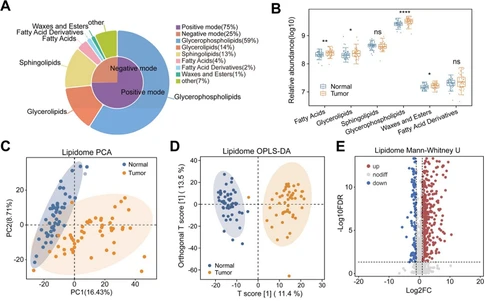
Integrated Multi-Omics Profiling of Thymoma Identifies Subtype-Specific Remodeling and Myasthenia Gravis-Associated Targets
Multi-omics profiling of thymoma identifies subtype-specific metabolic, lipid, and protein changes and reveals molecular targets associated with myasthenia gravis.

Propionic Acid Outperforms Formic and Acetic Acid in MS Sensitivity for High-Flow Reversed-Phase LC-MS Bottom-Up Proteomics
Propionic acid increases peptide identifications by 39% versus formic acid in LC-MS proteomics while maintaining chromatographic performance and compatibility.
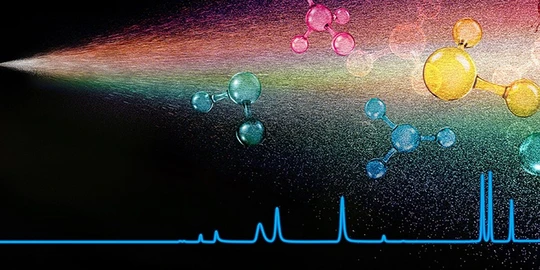
Episode 3: Understanding How Charged Aerosol Detection (CAD) Works
Dive deeper into Charged Aerosol Detection (CAD) technology in HPLC. Learn how nebulization, evaporation, charging, and detection steps deliver consistent, mass-based quantification across analytes.
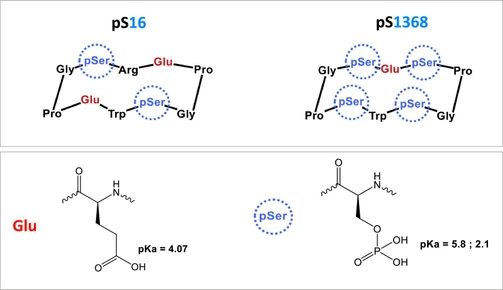
Hydrophilic interaction liquid chromatography: An efficient tool for assessing thorium interaction with phosphorylated biomimetic peptides
This study uses HILIC-MS to explore how thorium interacts with phosphorylated biomimetic peptides, revealing its affinity and selectivity versus uranium for toxicity modeling.