


Zaměření
Type of News
Focus
Micro-Snyder Column vs Nitrogen Blowdown: Choosing the Right Concentration Method for EPA Applications
Micro-Snyder column or nitrogen blowdown? Explore the advantages, limitations, and EPA applications of two widely used concentration techniques for environmental and trace analysis.
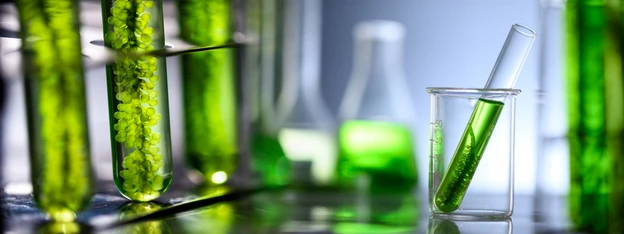
Microplastics and Nanomaterials: Understanding Emerging Contaminants in Environmental Testing
Comprehensive overview of microplastic pollution analysis, from extraction workflows and contamination control to nitrogen evaporation and advanced GC-MS, LC-MS/MS, and Py-GC-MS techniques.
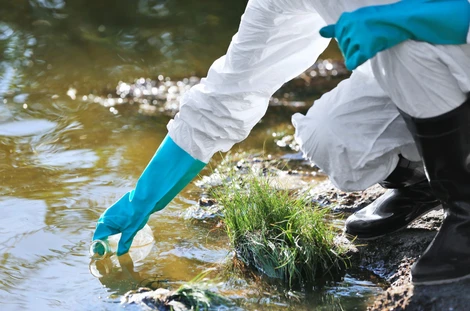
Meeting EU Drinking Water Standards: The Critical Role of Sample Prep in Trace Contaminant Analysis
EU Drinking Water Directive 2020/2184 sets ultra-low limits for pesticides, PFAS, metals and endocrine disruptors. Learn how SPE and nitrogen evaporation enable LC-MS/MS compliance at ng/L levels.
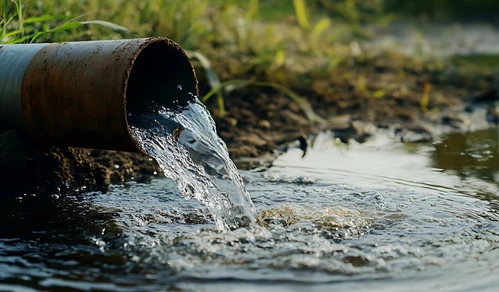
Efficient Sample Concentration for Micropollutant Surveillance Under EU Directive 2024/3019
How the EU’s revised Urban Wastewater Treatment Directive is driving demand for ultra-sensitive LC-MS/MS workflows—and why nitrogen evaporation is critical for reliable micropollutant monitoring.