New method unravels the mystery of slow electrons
GCMSICPMSLCMSArticle | Scientific article

New method unravels the mystery of slow electrons

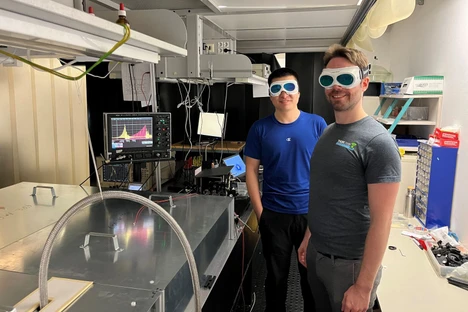
Slow electrons are used in cancer therapy as well as in microelectronics. It is very hard to observe how they behave in solids. But scientists at TU Wien have made this possible.
New method unravels the mystery of slow electrons
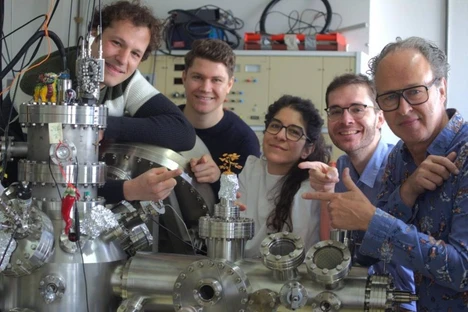
TU Wien launches a research platform for 3D testing of bio-samples
ICPMSArticle | Science and research

TU Wien launches a research platform for 3D testing of bio-samples

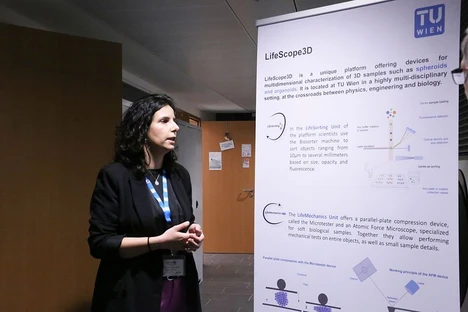
The "LifeScope3D" research platform has been opened. It offers various new high-tech devices for bio-research at TU Wien, which are available to TU Wien scientists but also external institutions.
TU Wien launches a research platform for 3D testing of bio-samples
Nuclear Clocks and the Fundamental Constants of Nature
GCMSICPMSLCMSArticle | Video

Nuclear Clocks and the Fundamental Constants of Nature

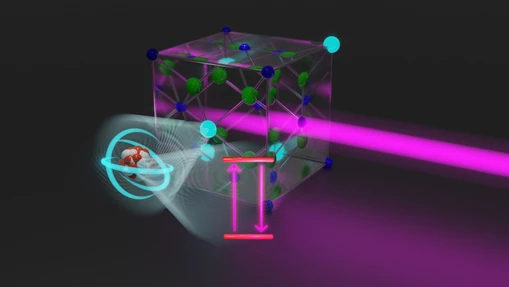
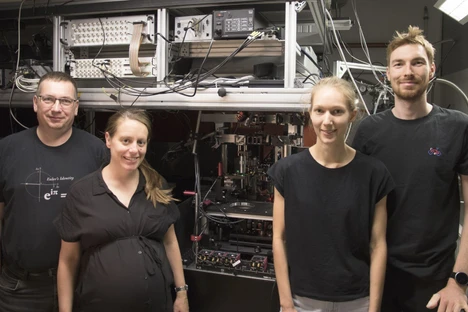
The long-sought thorium transition has been found. What can we do with it now? Very different areas of technology could benefit from this discovery.
Nuclear Clocks and the Fundamental Constants of Nature
Atomic Nucleus Excited with Laser: A Breakthrough after Decades
GCMSICPMSLCMSArticle | Video

Atomic Nucleus Excited with Laser: A Breakthrough after Decades

The "thorium transition", has now been excited for the first time with lasers. This paves the way for revolutionary high precision technologies, including nuclear clocks.
Atomic Nucleus Excited with Laser: A Breakthrough after Decades
The rock that creates clouds
ICPMSArticle | Scientific article

The rock that creates clouds

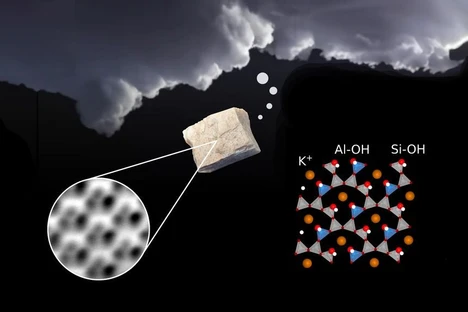
Feldspar is very common in rocks. As atmospheric dust, this mineral contributes efficiently to cloud formation. Researchers at TU Wien have now discovered what happens during this process.
The rock that creates clouds
What waves know about their surroundings
GCMSICPMSLCMSArticle | Scientific article

What waves know about their surroundings

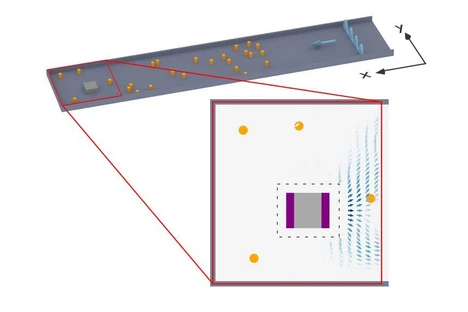
A theory of information carried by waves has now been developed at TU Wien – with astonishing results that can be utilised for technical applications.
What waves know about their surroundings
Ultra-short light pulses enable high-precision "artificial nose"
ICPMSGCMSArticle | Scientific article

Ultra-short light pulses enable high-precision "artificial nose"

A new spectroscopy method has been developed at TU Wien: Using a series of laser pusles, chemical analyses can be carried out much faster and more precisely than before.
Ultra-short light pulses enable high-precision "artificial nose"
Detecting nanoplastics – in fractions of a second
GCMSICPMSArticle | Scientific article

Detecting nanoplastics – in fractions of a second

Tiny plastic particles are an environmental problem. They can even penetrate living cells. A method has now been developed at TU Wien to detect such particles quickly and with high sensitivity.
Detecting nanoplastics – in fractions of a second