Tu, 17.11.2026 | Original article from: LECO
LECO FP928 determines crude protein using the Dumas combustion method, while TGA801 measures moisture and ash. Together, they help manufacturers ensure pet food quality and nutritional value.Advancing Pet Food Quality with Dumas Combustion and Macro TGA Moisture and Ash Analysis
LECO: Advancing Pet Food Quality with Dumas Combustion and Macro TGA Moisture and Ash Analysis
At LECO, our mission is to design, build, and support trusted instruments that empower people, industries, and organizations throughout the world to improve quality of life. This commitment extends to the pet food industry, where accurate analytical data plays a vital role in ensuring the safety, quality, and nutritional value of pet food products consumed by companion animals.
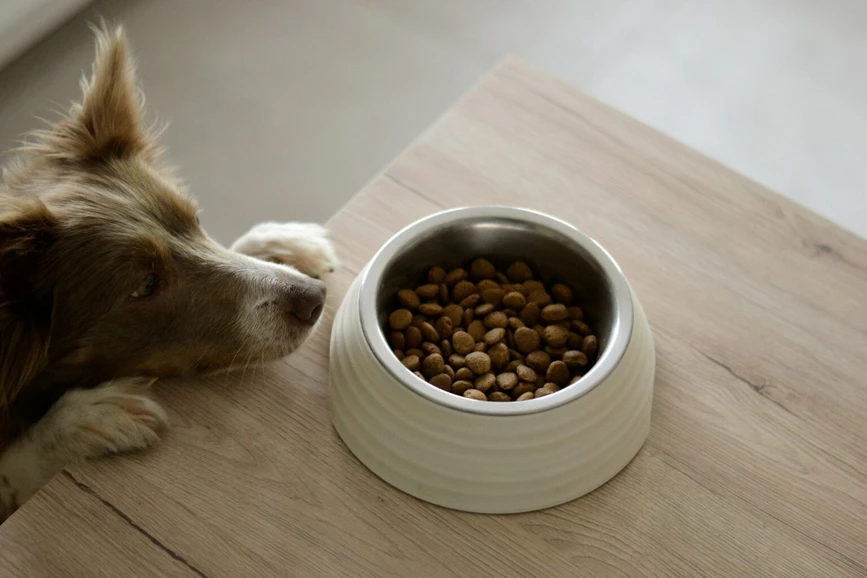
As consumer expectations for pet nutrition rise, manufacturers face increased scrutiny to deliver pet food products that are safe, consistent, and nutritionally balanced. Whether producing dry dog food, canned cat diets, ferret food, or specialty formulations, quality begins with reliable testing and measurement. Three analytical parameters play a critical role in evaluating pet food quality and nutritional value: protein, moisture, and ash. Together, these measurements help manufacturers verify formulations, support labeling requirements, monitor ingredient quality, and maintain process consistency.
Crude Protein Determination: Moving from Kjeldahl to the Dumas Method
Protein is one of the most important nutritional components in pet food as it supplies essential amino acids that support growth, tissue maintenance, metabolism, and overall animal well-being. As a result, accurate protein determination is vital for both product development and quality assurance. For many years, the Kjeldahl method was the primary method for determining protein. Although well established, the procedure requires multiple wet-chemistry steps, including digestion, neutralization, distillation, and titration. These processes can take several hours and require the handling and disposal of concentrated chemicals. Today, the Dumas combustion method has become a widely accepted alternative and is incorporated into numerous AOAC and ISO standards, including AOAC methods for animal feed and pet food applications.
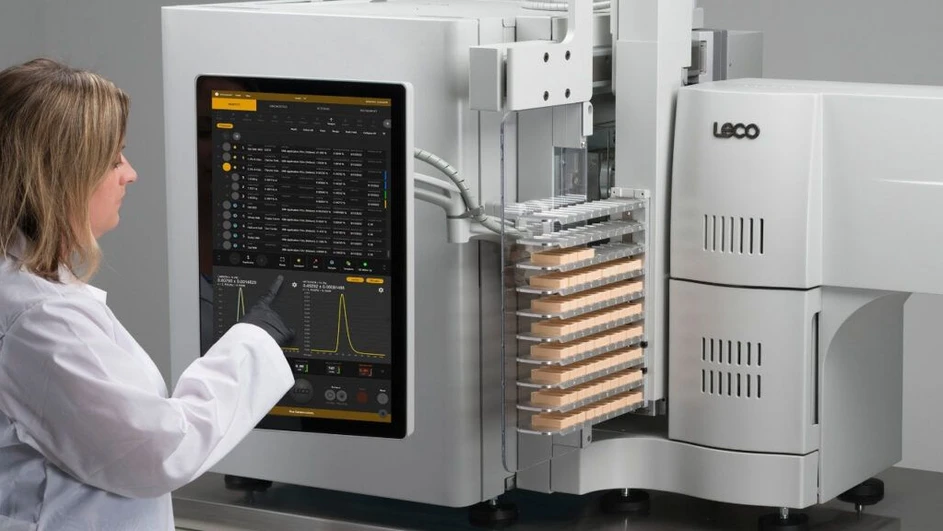
LECO’s FP928 utilizes the Dumas combustion method to rapidly determine nitrogen and calculate protein content. During analysis, the sample is combusted in a pure oxygen atmosphere, converting nitrogen-containing compounds into measurable gases. The resulting nitrogen concentration is quantified using thermal conductivity detection, providing accurate and precise protein results across a wide range of pet food and feed products. A key advantage of the FP928 is its ability to analyze sample masses approaching one gram, resulting in faster throughput. This is particularly beneficial for heterogeneous materials such as kibble, meat-based products, treats, and ingredient blends, where a larger sample improves representativeness and confidence.
 LECO: Advancing Pet Food Quality with Dumas Combustion and Macro TGA Moisture and Ash Analysis
Moisture in Pet Food: A Critical Test
Moisture content is one of the most influential factors in pet food evaluation. Nutrient guarantees appearing on product labels are typically reported on an as-fed basis, meaning that moisture directly impacts the concentration of nutrients such as protein, fat, and fiber. As moisture levels increase, nutrient concentrations appear lower due to dilution by water. Accurate moisture determination is therefore critical when evaluating product composition and comparing formulations.
This becomes especially important when comparing products across categories. Dry pet foods often contain less than 10% moisture, while canned products frequently exceed 75% moisture. Comparing nutrient values without considering moisture can lead to misguided conclusions. By converting results to a dry matter basis, nutritionists and quality professionals can make meaningful comparisons across different product types.
Moisture measurement also plays an important role in product quality, namely, shelf stability. Excess moisture in dry or semi-moist products can lead to mold growth, yeast proliferation, and reduced product quality. Consequently, moisture analysis is routinely used for process monitoring and finished-product verification. Accurate moisture data allows for confident labeling and quality programs.
Insights from Ash in Pet Food Testing
Ash determination measures the inorganic residue remaining after complete combustion of organic matter and serves as an indicator of total mineral content. This includes nutritionally important minerals such as calcium, phosphorus, sodium, potassium, and magnesium, all of which play vital roles in animal nutrition. While ash analysis does not identify individual minerals, it provides valuable insight into formulation consistency, ingredient quality, and overall product composition.
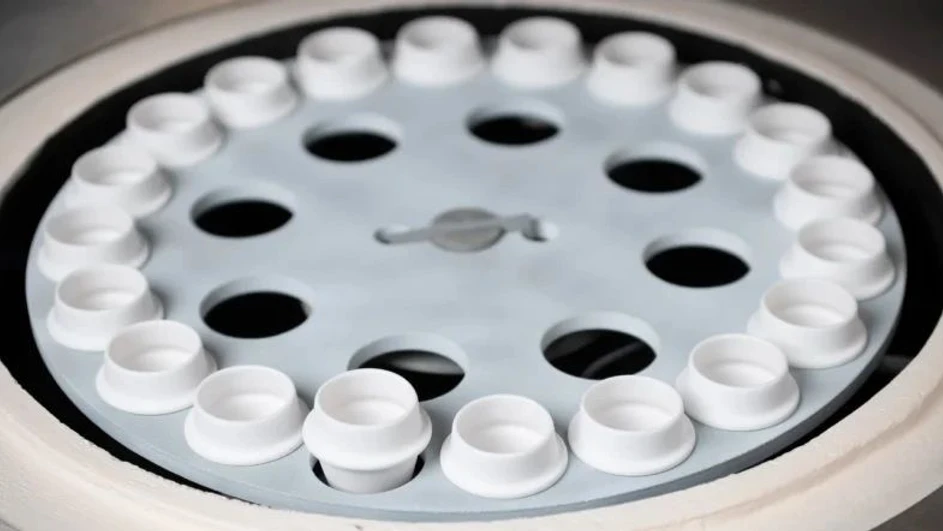
The LECO TGA801 is a macro thermogravimetric analyzer designed to determine moisture and ash through precise measurement of sample mass changes during controlled heating. The system can analyze up to 19 samples simultaneously, helping laboratories maximize productivity while maintaining analytical consistency. For pet food applications, samples are first heated to remove moisture and then further heated to determine ash content. From a single automated workflow, laboratories can obtain moisture, ash, and dry-basis ash results. By combining moisture and ash determination into one streamlined analytical process, laboratories can improve efficiency while generating the data required for routine quality control.
 LECO: Advancing Pet Food Quality with Dumas Combustion and Macro TGA Moisture and Ash Analysis
Optimized Quality Control for Pet Food
While protein, moisture, and ash each provide valuable information independently, their greatest value comes when evaluated together. The FP928 delivers rapid and accurate crude protein determination through the proven Dumas combustion method, while the TGA801 provides the moisture measurements necessary for dry matter calculations, plus simultaneously delivers ash data that helps assess mineral content and formulation consistency.
To sum it up, altogether these instruments support:
- Incoming ingredient verification
- Product formulation and optimization
- Nutritional evaluation
- Label claim verification
- Regulatory compliance initiatives
It’s no secret that accurate analytical data drives better product quality. By providing reliable measurements of protein, moisture, and ash, the LECO FP928 and TGA801 help pet food manufacturers maintain quality, improve efficiency, and confidently deliver products that meet both customer expectations and nutritional requirements.