INTERMAT to support efficient crop cultivation

Tu, 18.3.2025 | Original article from: CATRIN / Martina Šaradínová
The INTERMAT project by CATRIN and commercial partners aims to improve crop cultivation, plant resilience, and regional competitiveness. Researchers will develop eco-friendly growth regulators.
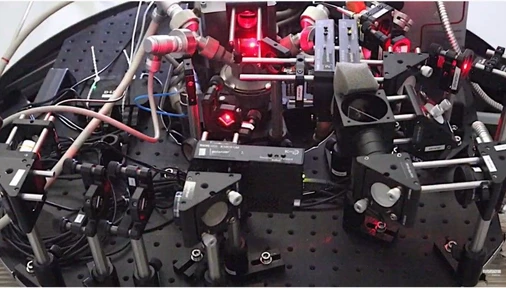
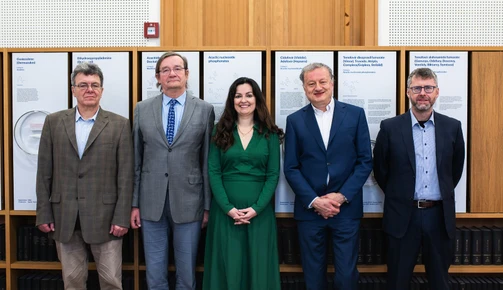
  • Photo: CATRIN: INTERMAT to support efficient crop cultivation
  • Video: CATRIN UP: Catrin Promo Video

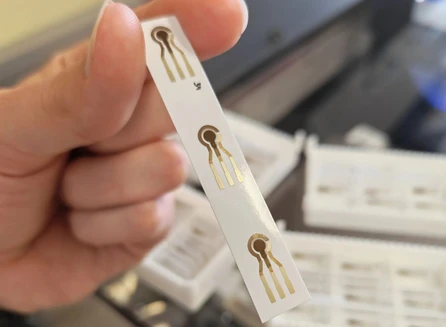
The INTERMAT project, launched by CATRIN researchers in collaboration with commercial partners, aims to enhance the efficiency of crop cultivation in greenhouses and hydroponic systems, improve plant resilience, and boost the competitiveness of companies in the region. Supported by 63.7 million Czech koruna from the Johannes Amos Comenius Operational Programme under the Intersectoral Cooperation for ITI call, researchers will, over the next four years, focus on developing and testing new nanomaterials for plant monitoring and eco-friendly growth regulators.

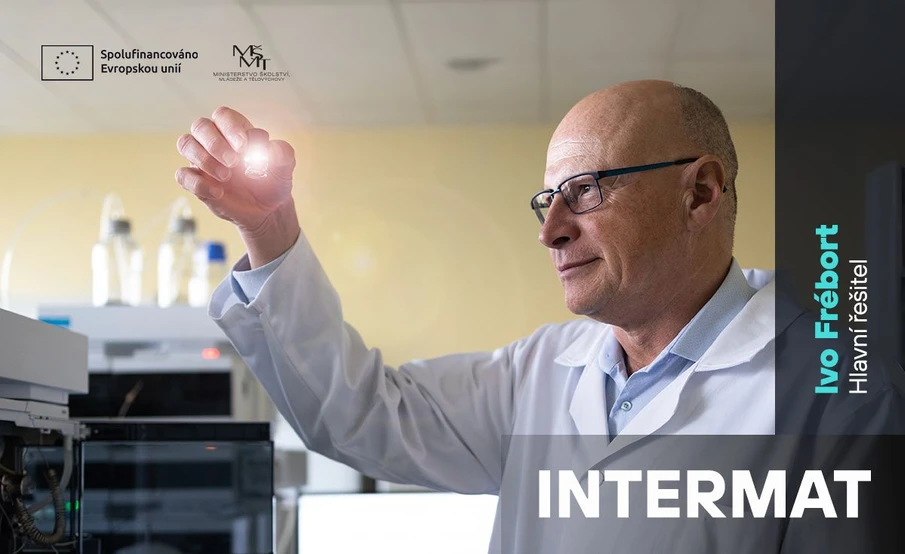
In the past, Palacký University’s research centres have achieved numerous results with significant real-world application potential. This is why we have partnered with two innovative companies in the region to collaborate on designing new processes and materials, aiming to translate new technologies into practice. These technologies will enable intensive and efficient crop cultivation in greenhouses and hydroponic systems,” said Ivo Frébort, the project’s principal investigator from CATRIN.
CATRIN: INTERMAT to support efficient crop cultivationCATRIN: INTERMAT to support efficient crop cultivation
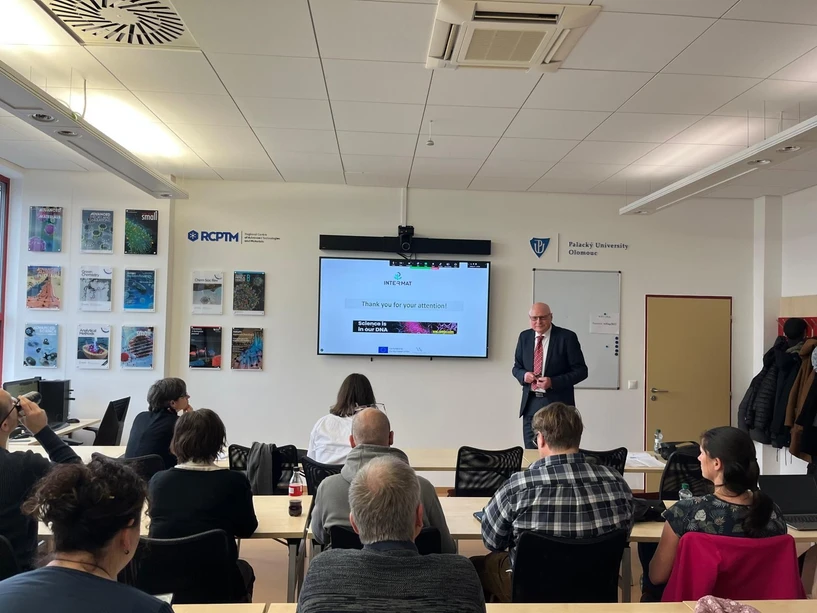
In addition to CATRIN, the project includes UP’s Faculty of Science, along with AGRO Haná and Geschur Medical as application partners. Together, they will build on previous research, particularly in materials science and the development of graphene-based materials pioneered by scientists at Palacký University.

The project aims to enhance regional competitiveness, particularly in innovative plant production, biotechnology and biomedicine—key areas of application and innovation at both the regional and national levels. Among the anticipated benefits is a reduction in lighting costs for greenhouse farms while maintaining plant productivity. The project will also leverage one of CATRIN’s inventions—environmentally safe luminescent solar concentrators for harvesting sunlight.

As part of the project, we will develop innovative materials for cleaning, recycling and monitoring nutrient solutions used in hydroponic plant cultivation. Additionally, we will introduce new materials for monitoring the physiological state of hydroponically grown plants through biosensing, enabling early detection of potential pathogens,” explained Nuria De Diego from CATRIN.

To reduce the use of chemicals in field cultivation, researchers will develop growth regulators designed for the gradual release of active substances. Another research team will focus on technical cannabis, working to increase its resistance to stress conditions with the help of new biostimulants. Additionally, to improve the economic viability of medical cannabis cultivation, experts will propose   a method for evaluating bio-waste through the additional extraction of bioactive compounds.
CATRIN: INTERMAT to support efficient crop cultivationCATRIN: INTERMAT to support efficient crop cultivation

The INTERMAT project (Interdisciplinary Approaches for the Development and Application of New Materials in Industrial, Agricultural and Medical Fields) will run until the end of 2028.

CATRIN
LinkedIn Logo
 

Related articles

Material genetics will be pursued by the AMULET project, which succeeded in the Excellent Research Call
Article | Věda a výzkum

Material genetics will be pursued by the AMULET project, which succeeded in the Excellent Research Call

Scientists are combining zero-dimensional (quantum dots), one-dimensional (e.g. nanotubes), and two-dimensional (e.g. graphene) materials in the lab to give them new and unusual properties.
Veronika Šedajová: The Falling Walls finale broadened my horizons
Article | Popularization

Veronika Šedajová: The Falling Walls finale broadened my horizons

Veronika Šedajová represented CATRIN in the Falling Walls Lab finale, showcasing nitrogen-doped graphene for supercapacitors and gaining global insight and networking opportunities.
The butterfly – a symbol of hope for oncology patients – chosen as the emblem of Taveren Therapeutics, a new biotech company emerging from IOCB Prague
Article | Science and research

The butterfly – a symbol of hope for oncology patients – chosen as the emblem of Taveren Therapeutics, a new biotech company emerging from IOCB Prague

IOCB Prague is co-founding Taveren Therapeutics, a new biotech spin-off developing a novel cancer treatment strategy based on reactivating the body’s natural tumor suppressors.
Graphene nanomaterial developed in Olomouc recognised among Europe’s most promising innovations
Article | Science and research

Graphene nanomaterial developed in Olomouc recognised among Europe’s most promising innovations

A nitrogen-enriched graphene nanomaterial developed at CATRIN, Palacký University Olomouc, has been recognised by the European Commission’s Innovation Radar for its strong commercial potential.
 

Related articles

Material genetics will be pursued by the AMULET project, which succeeded in the Excellent Research Call
Article | Věda a výzkum

Material genetics will be pursued by the AMULET project, which succeeded in the Excellent Research Call

Scientists are combining zero-dimensional (quantum dots), one-dimensional (e.g. nanotubes), and two-dimensional (e.g. graphene) materials in the lab to give them new and unusual properties.
Veronika Šedajová: The Falling Walls finale broadened my horizons
Article | Popularization

Veronika Šedajová: The Falling Walls finale broadened my horizons

Veronika Šedajová represented CATRIN in the Falling Walls Lab finale, showcasing nitrogen-doped graphene for supercapacitors and gaining global insight and networking opportunities.
The butterfly – a symbol of hope for oncology patients – chosen as the emblem of Taveren Therapeutics, a new biotech company emerging from IOCB Prague
Article | Science and research

The butterfly – a symbol of hope for oncology patients – chosen as the emblem of Taveren Therapeutics, a new biotech company emerging from IOCB Prague

IOCB Prague is co-founding Taveren Therapeutics, a new biotech spin-off developing a novel cancer treatment strategy based on reactivating the body’s natural tumor suppressors.
Graphene nanomaterial developed in Olomouc recognised among Europe’s most promising innovations
Article | Science and research

Graphene nanomaterial developed in Olomouc recognised among Europe’s most promising innovations

A nitrogen-enriched graphene nanomaterial developed at CATRIN, Palacký University Olomouc, has been recognised by the European Commission’s Innovation Radar for its strong commercial potential.
 

Related articles

Material genetics will be pursued by the AMULET project, which succeeded in the Excellent Research Call
Article | Věda a výzkum

Material genetics will be pursued by the AMULET project, which succeeded in the Excellent Research Call

Scientists are combining zero-dimensional (quantum dots), one-dimensional (e.g. nanotubes), and two-dimensional (e.g. graphene) materials in the lab to give them new and unusual properties.
Veronika Šedajová: The Falling Walls finale broadened my horizons
Article | Popularization

Veronika Šedajová: The Falling Walls finale broadened my horizons

Veronika Šedajová represented CATRIN in the Falling Walls Lab finale, showcasing nitrogen-doped graphene for supercapacitors and gaining global insight and networking opportunities.
The butterfly – a symbol of hope for oncology patients – chosen as the emblem of Taveren Therapeutics, a new biotech company emerging from IOCB Prague
Article | Science and research

The butterfly – a symbol of hope for oncology patients – chosen as the emblem of Taveren Therapeutics, a new biotech company emerging from IOCB Prague

IOCB Prague is co-founding Taveren Therapeutics, a new biotech spin-off developing a novel cancer treatment strategy based on reactivating the body’s natural tumor suppressors.
Graphene nanomaterial developed in Olomouc recognised among Europe’s most promising innovations
Article | Science and research

Graphene nanomaterial developed in Olomouc recognised among Europe’s most promising innovations

A nitrogen-enriched graphene nanomaterial developed at CATRIN, Palacký University Olomouc, has been recognised by the European Commission’s Innovation Radar for its strong commercial potential.
 

Related articles

Material genetics will be pursued by the AMULET project, which succeeded in the Excellent Research Call
Article | Věda a výzkum

Material genetics will be pursued by the AMULET project, which succeeded in the Excellent Research Call

Scientists are combining zero-dimensional (quantum dots), one-dimensional (e.g. nanotubes), and two-dimensional (e.g. graphene) materials in the lab to give them new and unusual properties.
Veronika Šedajová: The Falling Walls finale broadened my horizons
Article | Popularization

Veronika Šedajová: The Falling Walls finale broadened my horizons

Veronika Šedajová represented CATRIN in the Falling Walls Lab finale, showcasing nitrogen-doped graphene for supercapacitors and gaining global insight and networking opportunities.
The butterfly – a symbol of hope for oncology patients – chosen as the emblem of Taveren Therapeutics, a new biotech company emerging from IOCB Prague
Article | Science and research

The butterfly – a symbol of hope for oncology patients – chosen as the emblem of Taveren Therapeutics, a new biotech company emerging from IOCB Prague

IOCB Prague is co-founding Taveren Therapeutics, a new biotech spin-off developing a novel cancer treatment strategy based on reactivating the body’s natural tumor suppressors.
Graphene nanomaterial developed in Olomouc recognised among Europe’s most promising innovations
Article | Science and research

Graphene nanomaterial developed in Olomouc recognised among Europe’s most promising innovations

A nitrogen-enriched graphene nanomaterial developed at CATRIN, Palacký University Olomouc, has been recognised by the European Commission’s Innovation Radar for its strong commercial potential.