St, 21.10.2026 17:00 CEST
Připojte se na webinář Bruker Optics o IR a Ramanově mikroskopii vícevrstvých materiálů. Poznejte chemické zobrazování obalů a polymerů.Přejít na webinář
From food packaging to advanced engineered materials, multilayer structures are becoming increasingly sophisticated. Understanding what is inside these materials, how layers are arranged, and where different components are located can be a significant analytical challenge, particularly when ultra-thin polymer layers are combined with metals or other non-polymeric materials.
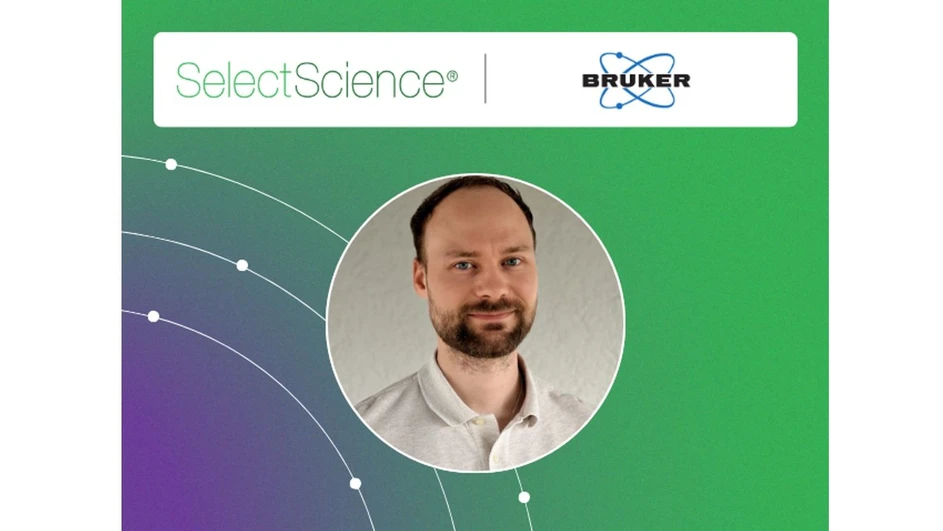
Join Application Scientist Fabian Knechtel, who specializes in advanced materials characterization using vibrational spectroscopy and microscopy techniques, for this SelectScience® webinar. Knechtel will demonstrate how infrared (IR) microscopy, Raman microscopy, and chemical imaging can reveal the composition and structure hidden within multilayer materials.
Using multilayer food packaging as a real-world example, Knechtel will show how individual layers can be visualized, unknown materials identified, and complex layer architectures reconstructed using a non-contact analytical approach.
By attending, you will gain practical insights into how IR and Raman imaging can help characterize challenging multilayer structures and generate the detailed chemical information needed to support reverse engineering, quality control, failure analysis, and materials innovation.
Certificate of attendance
If you attend the live webinar, you will automatically receive a certificate of attendance, including a learning outcomes summary, for continuing education purposes.
If you view the on-demand webinar, you can request a certificate of attendance by emailing [email protected].
This event is perfect for:
Join the webinar to get answers to these questions:
Presenter: Fabian Knechtel (Application Scientist Raman Imaging, Bruker Optics)
An analytical expert, Fabian Knechtel has a strong background in scientific instrumentation and spectroscopy. He is currently working at the intersection of technology, application, and market at Bruker Optics.
Moderator: Olivia Long (Editorial Team, SelectScience)
Olivia Long is a science editor specializing in pharmaceutical and applied science. She has a BSc in Pharmacology, and an MSc in Neuroscience, where she investigated neuro‑oncology drug‑resistance pathways using patient‑derived cell models. Her laboratory experience spans R&D hygiene testing, controlled‑environment sample production, and protocol development, giving her a broad understanding of analytical workflows and the scientific principles underpinning material characterization.